
Fast EV charging at home is incredibly convenient, saving you time and making electric driving more practical. However, it’s important to contemplate energy management to prevent overloads and reduce costs. Integrating solar panels can boost efficiency and cut reliance on the grid. A well-designed setup balances fast charging, solar energy, and smart controls, turning your home into an eco-friendly energy hub. Keep exploring to discover how to optimize your home charging system effectively.

Get garden gear delivered free with Prime
- Fast, free delivery on millions of items
- Prime Video, Amazon Music and more included
- Member-only deals all year
Key Takeaways
- Fast home chargers require high power levels that can strain electrical systems without proper energy management.
- Integrating solar energy enhances sustainability but requires careful planning for optimal solar and energy system synergy.
- Smart energy management balances charging speed, grid demands, and utility costs to prevent overloads and maximize efficiency.
- A comprehensive home setup combines fast chargers, solar, and energy controls for a practical, eco-friendly, and cost-effective solution.
- Fast charging is part of a larger energy ecosystem that benefits from renewable sources and smart system integration for long-term savings.
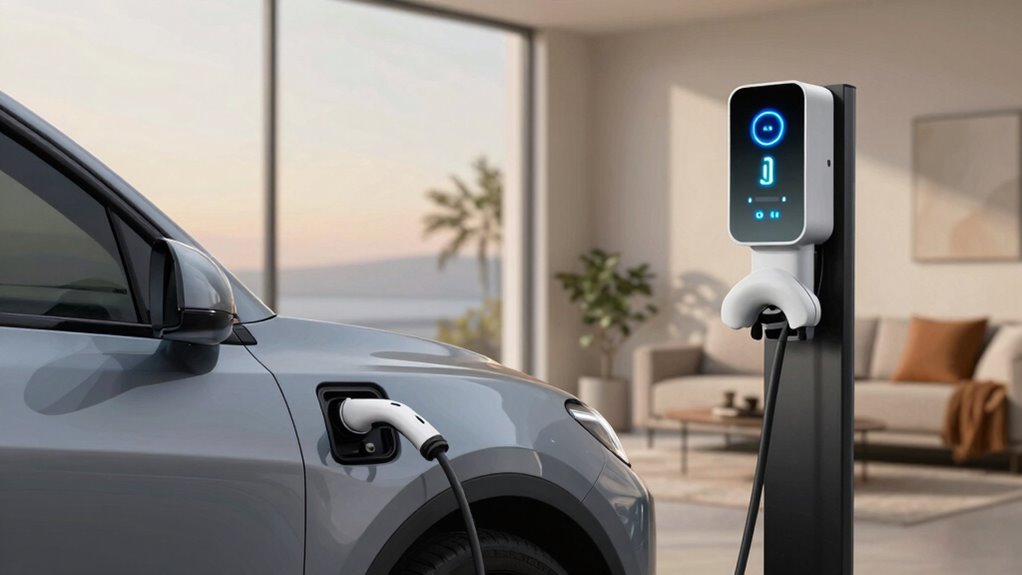
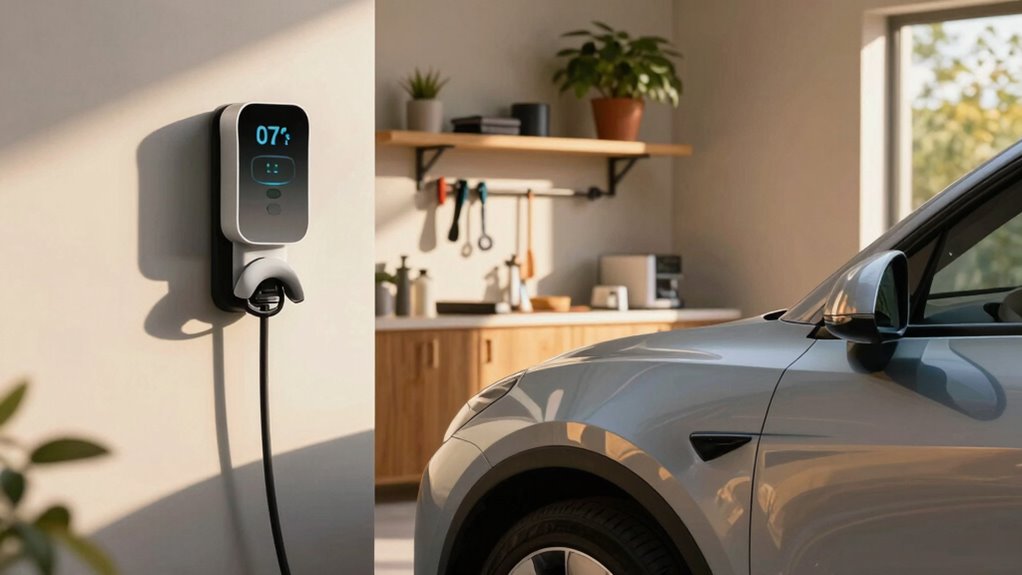
Charging your electric vehicle at home has never been more convenient, especially with the advent of fast charging solutions. These options allow you to top off your battery quickly, saving you time and making electric driving more practical. However, as you contemplate installing a fast charger, it’s essential to think beyond just speed. The broader picture involves how you manage your energy and how renewable integrations, like solar, can enhance your home charging setup.
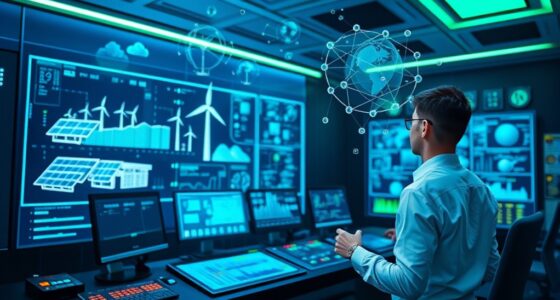
Fast charging units often demand high power levels, which can strain your home’s electrical system if not properly managed. This is where effective energy management becomes crucial. It’s not just about having the fastest charger; it’s about controlling and optimizing how and when you draw power. Smart energy management systems can balance your energy use, ensuring you don’t overload your circuits or drive up your utility bills unnecessarily. These systems can prioritize charging during off-peak hours or when your solar panels produce excess energy, making your charging process more sustainable and cost-effective.
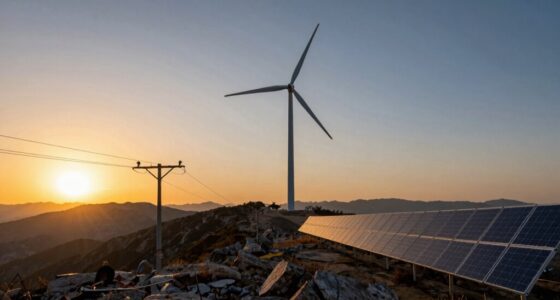
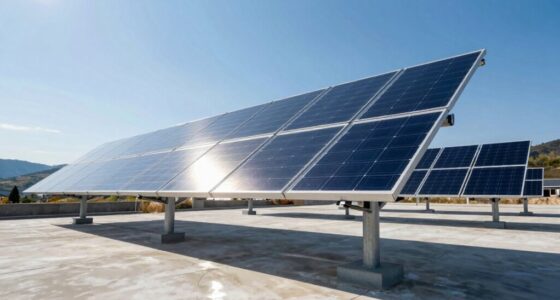
Speaking of solar, integrating solar panels into your home charging setup can revolutionize your experience. Solar integration allows you to generate clean energy directly from the sun, reducing reliance on grid power. During sunny days, your panels can produce enough energy to power your charger, especially if you pair this with intelligent energy management. This setup not only lowers your carbon footprint but also offers long-term savings. As your solar system feeds excess energy back into your home, your charger can draw from this renewable source, especially if your energy management system is configured to prioritize solar power. Incorporating renewable energy sources into your setup can further enhance efficiency and sustainability.
Remember, fast charging isn’t just about speed; it’s also about efficiency and sustainability. By combining fast chargers with smart energy management and solar integration, you create a home charging station that’s not only quick but also environmentally friendly and economical. It’s crucial to consider your entire energy ecosystem—your home’s electrical capacity, your solar system’s output, and your usage habits—when designing your setup. Properly planning your energy system can help avoid potential issues and maximize your investment’s benefits. Incorporating energy management systems can further enhance the overall efficiency of your setup by providing real-time data and control. Additionally, understanding your home’s electrical capacity ensures your system is designed for optimal performance without risking overloads.
In the end, fast EV charging at home is a great upgrade, but it’s just part of a bigger picture. With thoughtful planning around energy management and solar integration, you turn a simple charging station into a smart, sustainable energy hub that benefits both your wallet and the planet. Considering your energy management system as part of your home’s energy ecosystem can maximize efficiency and savings over time.
As an affiliate, we earn on qualifying purchases.
Frequently Asked Questions
How Much Does Installing a Fast Home EV Charger Typically Cost?
Installing a fast home EV charger usually costs between $1,000 and $3,000, depending on factors like charging station placement and electrical upgrades. You should consider a cost comparison of different models and installation complexities. Keep in mind that additional expenses, such as wiring or breaker upgrades, could raise costs. Planning ahead guarantees you get a charger that’s efficient without overspending, making your home charging experience seamless and cost-effective.
Are There Safety Concerns With High-Speed Home EV Charging?
High-speed home EV charging is like handling a delicate instrument—you should stay cautious. Safety concerns mainly involve battery safety and following proper charging protocols. If you use a certified charger and adhere to manufacturer instructions, risks are minimized. However, overcharging or faulty wiring can lead to hazards. Always prioritize professional installation and regular checks to guarantee your system remains safe, reliable, and protected against potential issues.
Can Existing Home Electrical Systems Support Fast EV Chargers?
Your existing home electrical system might struggle with fast EV chargers, especially if it’s outdated or underpowered. You could face issues like increased battery degradation if charging is too rapid or improperly managed. Proper charging station placement is essential—avoid locations near water or heat sources. You may need an electrical upgrade or dedicated circuit to support fast charging safely, ensuring your system handles the load without risking damage or safety hazards.
What Maintenance Is Required for Home Fast EV Charging Stations?
Think of your home EV charger as a loyal pet; it needs regular check-ups to stay in top shape. You should inspect the charger’s connections, keep it clean from dust, and guarantee proper ventilation for durability. Periodic professional inspections can prevent issues, maintaining user convenience and charger durability. Regular maintenance ensures your fast charger stays reliable, so you’re always ready to hit the road without worries.
How Does Fast Home Charging Impact Overall Energy Consumption?
Fast home charging can increase your overall energy consumption, but it also prompts you to think about energy efficiency and grid impact. Using energy wisely reduces waste and helps balance the grid, especially during peak times. Smart chargers and off-peak charging can minimize grid impact, ensuring your fast charging benefits don’t come at the expense of higher energy use or strain on the electrical system.
Conclusion
While fast home EV charging seems perfect, it’s not the whole story. Many experts suggest that frequent rapid charging can impact your battery’s longevity over time, contradicting the idea that faster is always better. Instead, adopting a balanced charging routine can help preserve your battery’s health and save you money in the long run. So, before rushing into high-speed charging, consider how your habits might affect your EV’s future and choose wisely.
Fall yard work Picks
leaf blowers
As an affiliate, we earn on qualifying purchases.