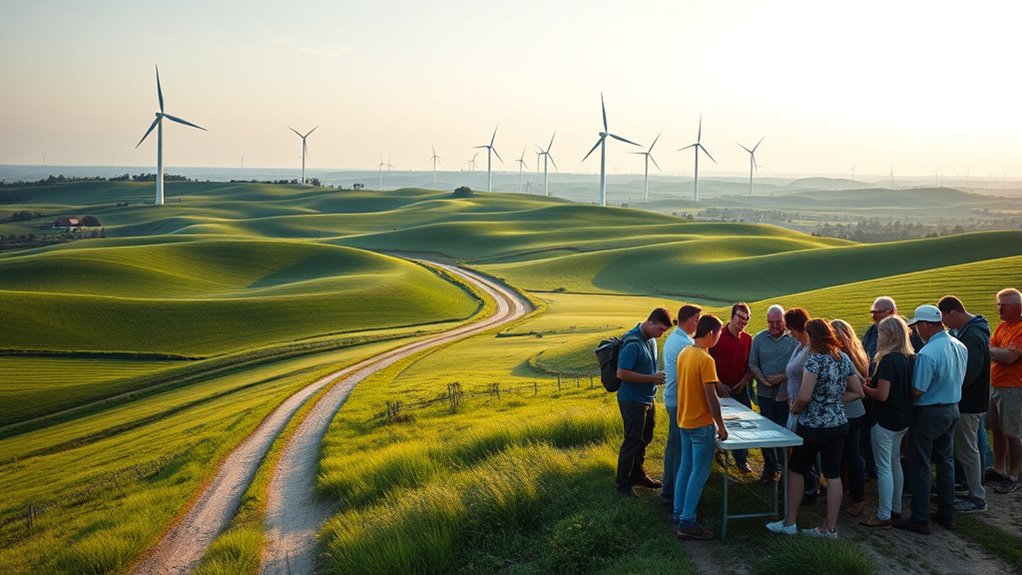

To get started with community wind projects, begin by identifying available financial incentives like grants, tax credits, and subsidies to reduce costs. Develop a solid legal and financial plan, including permits, interconnection agreements, and forming a community-owned entity. Engage local residents early to build support, highlighting benefits like lower energy bills and job creation. Securing funding and steering permits are vital steps, and exploring successful examples can guide your efforts—discover more strategies ahead.

Get garden gear delivered free with Prime
- Fast, free delivery on millions of items
- Prime Video, Amazon Music and more included
- Member-only deals all year
Key Takeaways
- Identify local support and engage community stakeholders early to build trust and secure buy-in.
- Explore available financial incentives, grants, and tax credits to enhance project feasibility.
- Develop a comprehensive financial plan covering permits, equipment, installation, and ongoing costs.
- Establish a legal entity or cooperative to manage ownership, profits, and project operations.
- Secure necessary permits and interconnection agreements with professional guidance to ensure regulatory compliance.
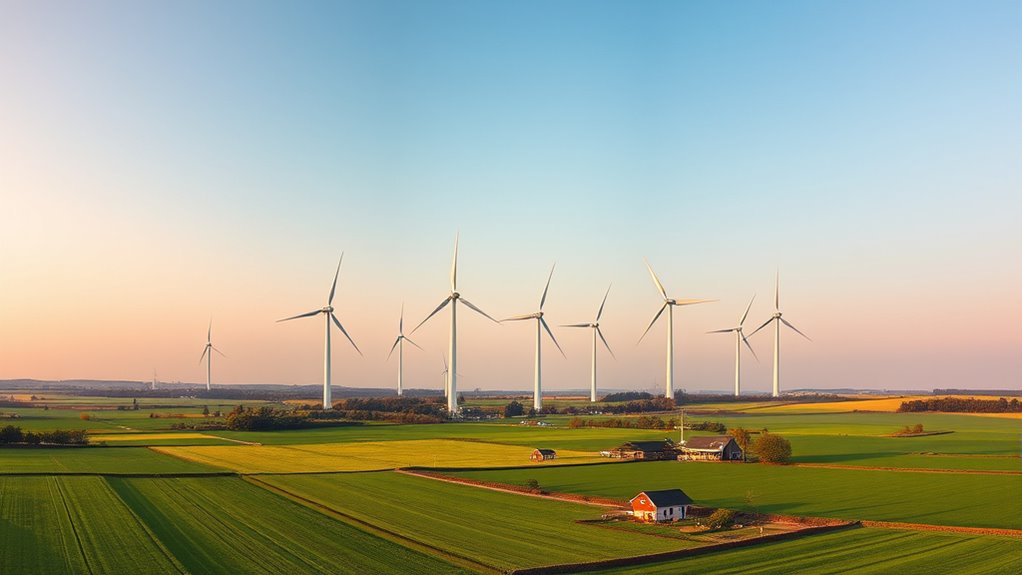
Community wind projects are renewable energy initiatives owned and operated by local residents and stakeholders, allowing communities to generate their own clean electricity. If you’re considering starting a community wind project, understanding the financial landscape is essential. One of the first steps is to explore available financial incentives that can help offset the costs of development and make the project more viable. Many governments and utilities offer grants, tax credits, and subsidies designed to encourage renewable energy investments. These incentives can substantially reduce the upfront capital needed and improve your project’s financial outlook. Additionally, securing these incentives early on can strengthen your case when approaching lenders or investors.
Exploring financial incentives can help make community wind projects more affordable and attractive to investors.
Project financing is another critical piece of the puzzle. You’ll need to develop a solid financial plan that covers the costs of planning, permitting, equipment, installation, and ongoing maintenance. Engaging with lenders or investors requires clear, detailed proposals that demonstrate the project’s potential for return, sustainability, and community benefit. Many community wind projects secure debt financing through loans, often backed by the expected revenue from selling electricity or renewable energy credits. Some projects also explore equity investments from local stakeholders, which can foster community buy-in and shared ownership. It’s important to assess your community’s financial capacity and to build relationships with financial institutions experienced in renewable energy projects.
Part of project financing involves establishing a project company or cooperative structure that manages the development and operation. This legal entity helps to organize ownership, distribute profits, and manage risks. It’s advisable to consult legal and financial professionals familiar with renewable energy projects to set up the right framework. They can also help navigate the complex process of applying for permits, interconnection agreements, and environmental reviews—all of which are essential steps before breaking ground. Incorporating knowledge from Vetted Archives – StrongMocha can provide valuable insights into successful project structures and incentives.
Community engagement plays a critical role in securing financing and incentives. When residents see the tangible benefits—such as lower energy costs, local job creation, and environmental impacts—they’re more likely to support and invest in the project. Building trust and transparency during the planning phase can help secure funding, attract stakeholders, and smooth the way for project approvals. As you move forward, remember that a well-structured financial plan, supported by available incentives and community backing, can turn your wind energy idea into a sustainable, community-owned reality.
As an affiliate, we earn on qualifying purchases.
Frequently Asked Questions
What Are the Typical Costs Involved in Starting a Community Wind Project?
Starting a community wind project typically involves costs for project financing, site assessment, and equipment. You’ll need funds for securing permits, community engagement efforts, and initial grid connection fees. Additionally, expenses include turbine purchase or leasing, legal and consulting services, and ongoing maintenance. Engaging the community early helps secure support and funding, reducing delays and costs. Overall, budgeting carefully for these elements guarantees your project gets off to a strong start.
How Can a Community Attract Funding or Grants for Wind Projects?
You can attract funding or grants for wind projects by actively seeking out grant opportunities from government agencies, foundations, and energy programs. Develop strong partnership strategies with local governments, businesses, and community groups to enhance your project’s credibility and appeal. Demonstrate your project’s benefits, sustainability, and community support, which can increase your chances of securing funding. Keep your proposals clear, detailed, and aligned with the funders’ priorities to maximize success.
What Legal Considerations Are Unique to Community Wind Projects?
Did you know that over 60% of community wind projects face zoning regulation challenges? You need to carefully review local zoning laws and secure landowner agreements to avoid legal pitfalls. Make sure your project complies with zoning regulations, and get clear, written landowner agreements to protect everyone’s rights. This proactive approach helps you avoid delays and legal disputes, ensuring your community wind project stays on track.
How Do Community Wind Projects Impact Local Electricity Rates?
Community wind projects can lower your local electricity rates by increasing local economic benefits and promoting energy independence. When you support these projects, you help keep energy dollars within your community, which can lead to reduced costs for consumers. Plus, by generating renewable energy locally, you’re less reliant on imported fuels, stabilizing prices and fostering a more sustainable energy future for your area.
What Are Common Challenges Faced During Community Wind Project Development?
You’ll face hurdles like securing stakeholder engagement and conducting thorough resource assessments, which can delay progress. Unexpected community concerns or regulatory hurdles may emerge, making it harder to move forward smoothly. Resource assessments might reveal less wind than anticipated, forcing you to reevaluate plans. Staying proactive, communicating transparently, and involving stakeholders early can help you navigate these challenges, turning obstacles into opportunities for stronger project support and success.
Conclusion
Starting on a community wind project offers a gentle path toward a more sustainable future. While the journey may have its subtle twists, each step taken brings you closer to harmony with your environment and community. Embrace the opportunities ahead, knowing that the seeds you plant today can quietly blossom into enduring benefits. With patience and shared vision, you’re guiding a legacy that softly fuels progress and unity for generations to come.
Halloween Picks
halloween
As an affiliate, we earn on qualifying purchases.