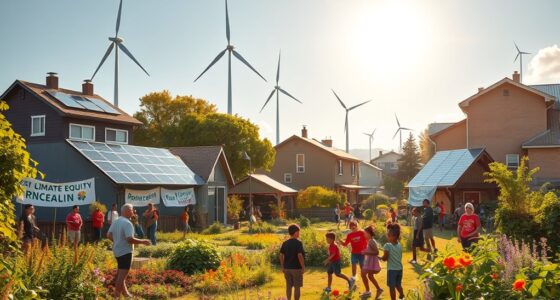

A virtual power plant (VPP) combines various distributed energy resources like solar panels, wind turbines, and batteries to act as a single, flexible power source. It helps balance supply and demand, improves grid stability, and makes it easier to integrate renewable energy into the system. VPPs use control systems to coordinate resources seamlessly and respond quickly to changes. Exploring more reveals how these systems boost energy resilience and efficiency even further.

Get garden gear delivered free with Prime
- Fast, free delivery on millions of items
- Prime Video, Amazon Music and more included
- Member-only deals all year
Key Takeaways
- A Virtual Power Plant (VPP) integrates multiple distributed energy resources into a single, flexible power system.
- VPPs optimize energy production and consumption, balancing supply and demand efficiently.
- Battery storage within VPPs stores excess energy and provides backup during high demand or low renewable output.
- VPPs enhance grid stability, resilience, and support renewable energy integration.
- They enable better management of variable renewable sources like solar and wind through seamless coordination.

A virtual power plant (VPP) is a network that combines various distributed energy resources—like solar panels, wind turbines, and battery storage—to operate as a single, flexible power source. Instead of relying solely on traditional power plants, you can harness multiple small-scale energy assets, making the system more adaptable and resilient. This setup allows you to balance supply and demand more efficiently, especially during peak usage times or when renewable sources fluctuate. The key to a VPP’s effectiveness lies in its ability to coordinate these resources seamlessly, ensuring stability and optimizing energy flow.
One of the crucial components in a VPP is battery storage. Imagine you have a large battery system that stores excess energy generated during sunny or windy periods. When demand rises or renewable output drops, you can discharge this stored energy to stabilize the grid, reducing reliance on fossil fuels. Battery storage acts as a buffer, smoothing out the variability inherent in renewable sources and providing a reliable backup when needed. Its responsiveness makes it an essential asset for demand response strategies, which are designed to adjust electricity consumption in real-time based on grid needs. Additionally, hybrid systems that combine multiple energy sources further enhance the flexibility and robustness of a VPP, allowing it to adapt to changing conditions more effectively.
As an affiliate, we earn on qualifying purchases.
Frequently Asked Questions
How Do Virtual Power Plants Impact Energy Prices?
Virtual power plants influence energy prices by stabilizing supply and demand, which can lower costs for you. They optimize energy market dynamics by coordinating multiple renewable sources and storage, reducing price volatility. As a consumer, you benefit from potentially lower rates and more reliable energy. These systems promote competition and efficiency, ultimately impacting your energy bills positively while supporting a greener, more resilient energy grid.
What Are the Main Challenges in Implementing Virtual Power Plants?
You face challenges like grid integration and regulatory hurdles when implementing virtual power plants. Integrating diverse energy sources into existing grids requires advanced technology and coordination. Regulatory frameworks may lag behind, creating delays or restrictions. To succeed, you need to navigate these obstacles by working closely with authorities, investing in compatible infrastructure, and staying adaptable to evolving policies, ensuring the virtual power plant operates efficiently and effectively within the energy system.
How Do Virtual Power Plants Differ From Traditional Power Plants?
Think of virtual power plants like a symphony, orchestrating distributed energy sources seamlessly. Unlike traditional power plants, which generate electricity centrally, virtual power plants integrate various small, decentralized units into the grid. You can see them as a flexible, digital network that manages distributed energy efficiently, enhancing grid stability. This setup offers a dynamic alternative to conventional plants, optimizing energy use and making the grid more resilient and responsive.
Can Virtual Power Plants Operate Independently During Outages?
Yes, virtual power plants can operate independently during outages to support grid stability. They quickly respond to emergencies by coordinating distributed energy resources, like solar panels and batteries, ensuring continuous power supply. Your virtual power plant’s ability to adapt enhances emergency response efforts and maintains grid reliability, even when traditional power plants are offline. This flexibility helps stabilize the grid and keeps essential services running smoothly during disruptions.
What Technologies Are Essential for Managing Virtual Power Plants?
You need a smart grid and real-time monitoring to effectively manage virtual power plants. The smart grid enables seamless communication between energy sources and consumers, optimizing supply and demand. Real-time monitoring provides instant data on energy production, consumption, and system health, allowing you to quickly detect issues and make adjustments. Together, these technologies guarantee your virtual power plant operates efficiently, reliably, and responds swiftly to changing energy needs.
Conclusion
You now understand how virtual power plants combine various energy sources to keep the lights on efficiently. Imagine a neighborhood where homes with solar panels and batteries work together, sharing power during peak times. This seamless collaboration could save money and reduce emissions. Virtual power plants are transforming energy management, making our future cleaner and more reliable. By harnessing technology like this, you’re part of a smarter, more sustainable world in the making.
Halloween Picks
halloween
As an affiliate, we earn on qualifying purchases.