To connect your home solar system to the grid, you need to follow safety standards, secure permits from your utility, and work with them to make sure your system syncs properly with voltage and frequency. The inverter plays a key role by converting DC to AC and meeting safety requirements like anti-islanding. Safety devices like circuit breakers protect against faults. If you’re curious about the detailed steps involved, there’s more to learn about how this process keeps everyone safe and compliant.
Key Takeaways
- Interconnection links your home solar system to the utility grid, enabling safe and efficient power flow.
- Utility approval and permits ensure your system meets safety standards and regulation compliance.
- The inverter converts DC from solar panels to AC and must meet safety standards for grid connection.
- Safety devices like breakers isolate the system during grid issues, protecting utility workers and equipment.
- Inspections and testing verify your system’s compliance before final connection and ongoing monitoring.
Have you ever wondered how your home solar system connects to the power grid? It’s an essential step that involves more than just plugging in a few wires. When your solar panels generate electricity, that power needs to flow safely and efficiently into the grid, and that’s where understanding interconnection basics becomes crucial. The process is governed by strict rules to make certain grid compliance and safety standards are met, protecting both your system and the utility workers who maintain the grid. These standards dictate how your system interacts with the larger power network, ensuring that it doesn’t cause disruptions or pose hazards.
The first step is obtaining the necessary permits and approvals from your utility company. They’ll review your system design to make sure it complies with local regulations, utility policies, and national safety standards. Grid compliance isn’t just a bureaucratic hurdle; it’s about making sure your solar system can safely synchronize with the grid’s voltage, frequency, and power quality. Utilities often require that your inverter, which converts DC power from your panels into usable AC power, meets specific safety standards. These standards ensure that when your system feeds excess energy back into the grid, it does so in a controlled, safe manner, preventing potential issues like backfeed faults or voltage fluctuations.
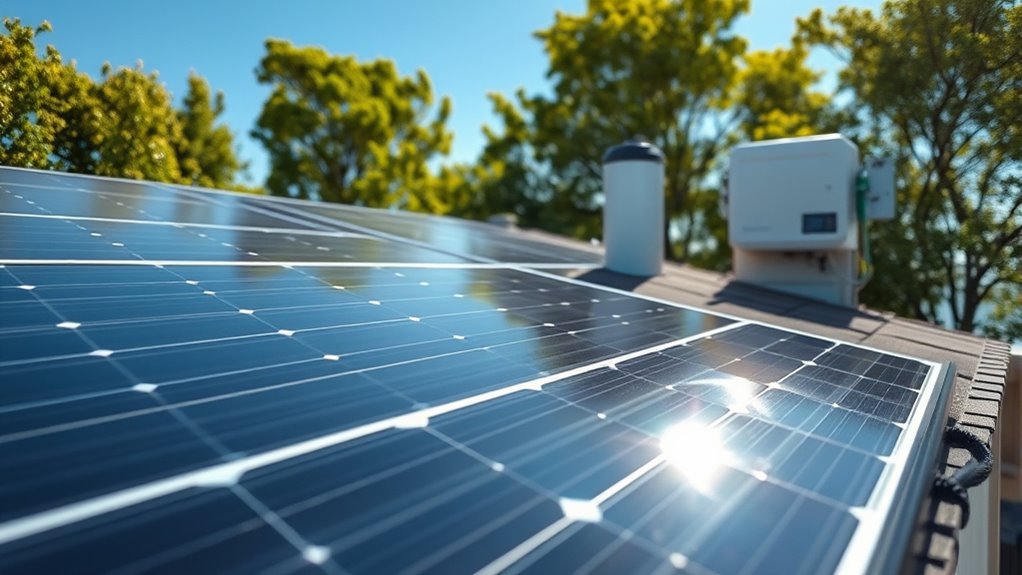
Your inverter plays a critical role in maintaining safety standards. It’s designed to automatically disconnect from the grid if it detects abnormalities, such as a power outage or voltage irregularities. This process, called anti-islanding, prevents your system from continuing to feed power during outages, safeguarding utility workers and repair crews. Additionally, your system must incorporate protective devices, such as circuit breakers and disconnect switches, that can isolate your system from the grid when necessary. These safety features are vital for preventing electrical hazards and ensuring that your solar installation doesn’t interfere with the utility’s operations. Furthermore, the presence of bank SWIFT/BIC codes helps facilitate secure and accurate financial transactions related to interconnection fees and payments.
Throughout the interconnection process, your installer will coordinate with the utility to perform inspections and testing. They’ll verify that your system meets all safety standards and grid requirements before officially connecting it. Once connected, your system will operate in harmony with the grid, constantly monitored to make certain ongoing compliance. This integration not only provides a reliable source of renewable energy but also helps maintain the stability and safety of the entire electrical system. By understanding and adhering to these interconnection basics, you help make certain that your home solar system benefits the environment while keeping everyone safe.
home solar inverter with safety standards
As an affiliate, we earn on qualifying purchases.
As an affiliate, we earn on qualifying purchases.
Frequently Asked Questions
How Long Does the Interconnection Approval Process Typically Take?
The interconnection approval process usually takes between 2 to 6 months, depending on your utility’s interconnection timeline and the complexity of your system. You’ll need to follow approval procedures, which include submitting an application, providing detailed system info, and possibly undergoing inspections. Staying proactive and providing complete, accurate documentation will help speed up the process, so be prepared for some back-and-forth during approval procedures.
Are There Any Fees Associated With Interconnection Applications?
Think of the application process like planting a seed—you’ll need to water it with fees. Yes, there are interconnection fees and application costs that vary by utility. These fees cover reviewing your system and ensuring safety standards. Expect to pay for application submission, and possibly for additional grid studies. Always check with your utility for specific fees, so you’re prepared and can avoid surprises down the line.
What Are Common Reasons for Interconnection Application Denials?
You might face interconnection application denials due to limited grid capacity or permit delays. Utilities could deny your application if the local grid can’t handle additional solar input, or if permit processing takes too long. Ensuring your system is compatible with grid capacity and submitting complete, timely paperwork can help prevent denials. Staying proactive and coordinating with your utility can improve your chances of approval.
Can I Upgrade My System After Initial Interconnection Approval?
Yes, you can upgrade your system after initial interconnection approval, but you need to follow interconnection policies. First, review your utility’s guidelines for system upgrades, which might require submitting an amendment or new application. Make certain your upgraded system still complies with local codes and interconnection standards. It’s a good idea to coordinate with your utility to avoid delays and confirm that your upgrade maintains your interconnection approval.
How Does Interconnection Affect My Homeowners’ Insurance?
Picture your solar panels as shining guardians on your roof. Interconnection can impact your homeowners’ insurance by influencing your insurance considerations and liability coverage. You might need to update your policy to guarantee full protection, especially if an incident occurs involving your solar system. Checking with your insurer helps clarify coverage details, so you’re prepared for any unexpected event and avoid gaps in your liability coverage.
Conclusion
Now that you understand the essentials of home solar interconnection, you’re ready to take charge of your energy future. Remember, connecting your system isn’t just a technical step—it’s your gateway to independence, savings, and sustainability. Like a well-orchestrated symphony, each component works in harmony to power your home. So, embrace the process, trust in your knowledge, and step confidently into a brighter, greener tomorrow. Your solar journey begins now—shine on!