
Energy independence and resilience aren’t the same because independence is about controlling your energy supply long-term, often through renewable sources, to reduce reliance on external sources. Resilience, on the other hand, is about your system’s ability to quickly withstand and recover from disruptions like outages or emergencies. While they support each other, balancing both guarantees you can maintain reliable energy under various circumstances. If you keep exploring, you’ll uncover how these strategies complement each other effectively.

Get garden gear delivered free — and shop member deals
- Fast, free delivery on millions of items
- Access to Prime Big Deal Days deals on October 6–7
- Prime Video, Amazon Music and more included
Key Takeaways
- Energy independence aims for long-term self-sufficiency, while resilience focuses on immediate system response during disruptions.
- Renewable energy supports independence but does not inherently ensure system resilience.
- Resilience requires backup infrastructure and flexible systems, beyond just generating independent energy.
- Achieving independence reduces external vulnerabilities; resilience ensures quick recovery from shocks.
- Both strategies are essential but serve different roles in maintaining reliable energy supply.
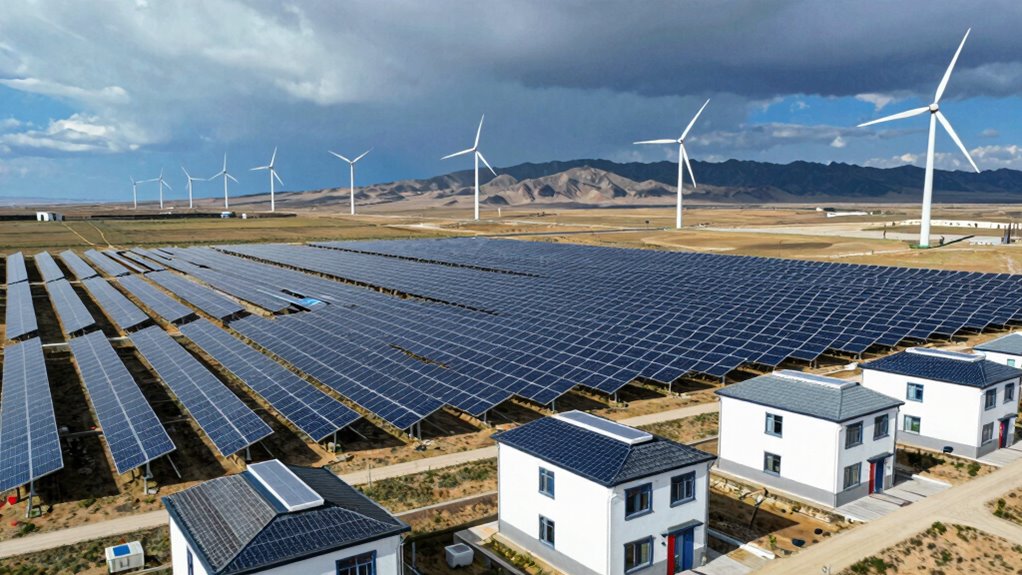
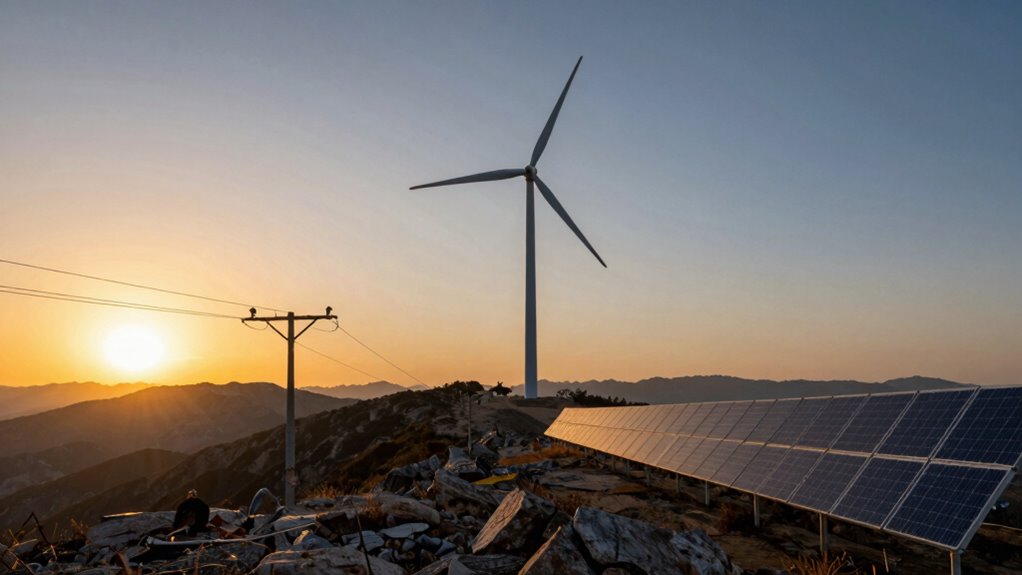
Have you ever wondered how energy independence differs from resilience? They might seem similar at first glance, but they serve different purposes. Energy independence is about reducing your reliance on external sources, aiming for a self-sufficient energy system. It often involves harnessing renewable sources like solar, wind, or hydro power to generate your own energy, so you’re not dependent on fossil fuels or imported electricity. This approach allows you to have more control over your energy supply and can protect you from price fluctuations or supply disruptions. On the other hand, resilience focuses on your ability to withstand and recover from disturbances, whether they’re natural disasters, grid failures, or other emergencies. It’s about creating a system that can adapt and bounce back quickly, even when facing significant challenges.
Energy independence reduces reliance on external sources, while resilience ensures quick recovery from disruptions. Both are essential for reliable energy.
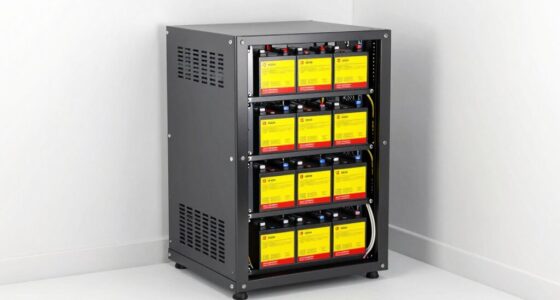
While renewable sources are key to achieving energy independence, they also play a role in resilience, but not entirely. For example, installing solar panels or wind turbines can help you produce your own power, reducing your dependence on the grid. However, renewable energy systems can sometimes introduce challenges to grid stability—especially if your local grid isn’t designed to handle distributed generation. That’s why resilience involves more than just generating your own energy; it requires planning for backup options, storage solutions like batteries, and flexible infrastructure to guarantee continuous power supply during outages or disruptions. Incorporating distributed energy resources can further enhance both independence and resilience by diversifying your energy sources. Additionally, understanding system flexibility is crucial for adapting to unexpected changes in energy supply or demand. Developing energy storage solutions is also vital for maintaining stability and ensuring availability during periods of low renewable generation.
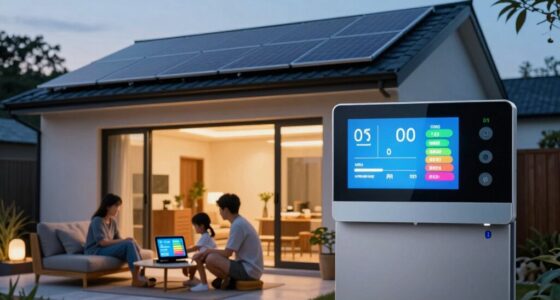
Energy independence is primarily a long-term goal that aims to make you less vulnerable to external shocks, while resilience is about your immediate ability to handle and recover from those shocks. Think of it this way: achieving energy independence might mean installing solar panels and batteries, so you’re less affected by rising energy prices. Building resilience, however, means also making certain your system can operate smoothly during a blackout, with backup generators or microgrids that remain operational even if the main grid goes down. Additionally, integrating smart grid technology can enhance both resilience and efficiency by allowing real-time responses to fluctuations and disruptions.
In essence, focusing solely on energy independence might leave you vulnerable if your renewable sources aren’t enough or if a severe disruption exceeds your system’s capacity. Conversely, prioritizing resilience ensures you can adapt and recover quickly, but it doesn’t necessarily mean you’re completely self-sufficient. Both concepts are vital, but understanding their differences helps you develop a balanced approach—one that combines renewable sources for independence with resilient infrastructure for reliability. This way, you’re prepared not just to generate your own energy, but also to keep it flowing no matter what challenges come your way.
solar panel system with battery backup
As an affiliate, we earn on qualifying purchases.
As an affiliate, we earn on qualifying purchases.
Frequently Asked Questions
How Do Policies Differ Between Achieving Energy Independence and Resilience?
Policies for energy independence focus on reducing reliance on imported fuels through domestic resource development and diversifying energy sources. Resilience policies prioritize strengthening infrastructure to withstand disruptions, whether from natural disasters or cyberattacks. Your policy priorities should balance these goals by investing in robust infrastructure, renewable energy, and emergency preparedness. This approach guarantees a stable energy supply while maintaining the flexibility to recover quickly from crises.
Can a Region Be Energy Independent but Still Vulnerable to Disruptions?
Yes, a region can be energy independent but still vulnerable to disruptions. If its supply chain relies on a narrow set of sources or if infrastructure isn’t robust, disruptions can impact energy supply despite independence. To truly minimize vulnerability, you need diversified supply chains and resilient infrastructure that can withstand natural disasters, cyberattacks, or other threats. Without these, independence alone isn’t sufficient to ensure consistent, reliable energy access.
What Role Do Renewable Resources Play in Resilience Strategies?
Ironically, renewable resources are key to resilience strategies, even though they often seem fragile. You play a crucial role in renewable integration, which enhances system flexibility and reliability. By embracing resource diversification through solar, wind, and other renewables, you reduce dependency on a single energy source. This diversification minimizes vulnerability to disruptions, making your energy system more adaptable and resilient in the face of unexpected challenges.
How Do Economic Factors Influence Energy Independence Versus Resilience Efforts?
Economic factors considerably influence your efforts toward energy independence and resilience. Market stability encourages investment in local energy sources, reducing reliance on imports. Economic incentives, like tax credits or subsidies, motivate you to adopt renewable technologies that bolster resilience by ensuring reliable power during disruptions. These financial elements shape your ability to pursue sustainable energy solutions, making your community more self-reliant and better prepared for emergencies.
Are There Specific Technologies That Prioritize Resilience Over Independence?
Yes, certain technologies prioritize resilience over independence. You should focus on energy storage systems, like advanced batteries, which help maintain power during outages. Grid modernization also plays a vital role by upgrading infrastructure to withstand natural disasters and cyber threats. These technologies enable your energy system to recover quickly from disruptions, ensuring continuous service, even if they don’t necessarily make you completely independent from external energy sources.
Conclusion
Understanding the subtle distinctions between energy independence and resilience helps you appreciate that true strength lies in balance. While aiming for self-sufficiency, remember that cultivating adaptability and foresight ensures you’re prepared for life’s unpredictable turns. By nurturing these qualities, you’re not just safeguarding your energy needs but also fostering a more refined, resilient future. Embrace this nuanced perspective, and you’ll find yourself better equipped to navigate the complexities of energy management with grace and confidence.
Halloween Picks
halloween
As an affiliate, we earn on qualifying purchases.