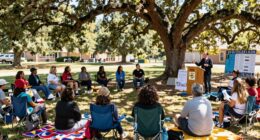
Community-led projects build stronger trust because when you involve residents directly in decision-making, they feel a sense of ownership and accountability. This fosters genuine relationships, mutual respect, and transparency, which make community members more engaged and confident. As trust grows, participation increases, and projects become more sustainable. Over time, these efforts create a cycle of collaboration and resilience. If you want to explore how these approaches can strengthen your community, there’s much more to discover ahead.

Get garden gear delivered free with Prime
- Fast, free delivery on millions of items
- Prime Video, Amazon Music and more included
- Member-only deals all year
Key Takeaways
- Community-led projects foster ownership, increasing trust through active participation and shared responsibility.
- Transparent communication about goals and progress builds credibility and reduces misunderstandings.
- Involving residents ensures projects address genuine needs, strengthening community confidence.
- Consistent positive interactions develop mutual respect, reinforcing long-term relationships.
- Visible, tangible results from community input boost confidence and encourage ongoing engagement.

Have you ever wondered why community-led projects often succeed where others falter? The answer lies in the power of local engagement and transparency initiatives. When you involve the community directly in decision-making and project implementation, you foster a sense of ownership and trust that’s hard to achieve through top-down approaches. People are more likely to support initiatives when they feel their voices are heard and their needs are prioritized. This active participation creates a bond between project leaders and community members, making trust a natural byproduct.
Local engagement is key because it ensures that projects align with the genuine needs of the community. Instead of imposing solutions from outside, you collaborate with residents, listen to their concerns, and adapt plans accordingly. This inclusive approach demonstrates respect and genuine interest, building credibility. When community members see their input shaping outcomes, they’re more inclined to invest time, effort, and resources, which further strengthens trust. It’s not just about delivering a service or a product; it’s about cultivating a relationship rooted in mutual respect and shared goals. Additionally, community involvement fosters a sense of collective responsibility that enhances project sustainability. Building a foundation of trust through consistent positive interactions is essential for long-term success.
Furthermore, implementing transparent communication enhances community understanding and reduces misconceptions, fostering a more cohesive environment. Open communication channels also allow for quick resolution of issues, preventing misunderstandings from escalating. Transparency initiatives play a crucial role in cementing this trust. When you openly communicate goals, progress, challenges, and decision-making processes, you eliminate doubts and suspicions. Transparency shows that you’re honest and accountable, encouraging community members to trust that their interests are being genuinely represented. Regular updates, open forums, and accessible information make it clear that there are no hidden agendas. This honest communication fosters a sense of partnership rather than hierarchy, making community members feel valued and respected. Moreover, trust-building is reinforced when projects demonstrate tangible benefits and follow through on commitments, further solidifying confidence in leadership.
Together, local engagement and transparency initiatives create a virtuous cycle. As trust increases, community members become more engaged, providing valuable feedback and participating actively in project development. This active involvement leads to better-designed projects that truly serve the community’s needs, which in turn deepens trust even further. When people see tangible results from their participation and feel confident that the process is open and honest, their belief in the project—and in those leading it—grows stronger.
In the end, community-led projects succeed not just because of their goals but because of the trust they build along the way. By actively engaging locals and maintaining transparency, you create a foundation of mutual confidence. This trust encourages ongoing collaboration, making projects sustainable and impactful in the long run. It’s a simple but powerful truth: when communities feel trusted and valued, they’re more likely to support and sustain initiatives that benefit everyone. Additionally, fostering trust through transparency is essential for building long-term resilience and community cohesion.
community project management tools
As an affiliate, we earn on qualifying purchases.
As an affiliate, we earn on qualifying purchases.
Frequently Asked Questions
How Do Community-Led Projects Secure Funding?
You guarantee funding for community-led projects by crafting compelling grant applications that highlight the project’s local impact and community support. Additionally, you leverage crowdfunding strategies, engaging your community and broader supporters to contribute financially. By demonstrating transparency and shared ownership, you build trust, making funders more confident in your project’s success. Combining these approaches ensures you gather diverse resources and foster stronger community connections.
What Challenges Do Community-Led Initiatives Commonly Face?
Imagine trying to row a boat with uneven oars—that’s what community-led initiatives face with participation barriers and leadership dynamics. You often encounter challenges like limited resources, varying stakeholder interests, and managing power roles. These issues can slow progress and cause tension. Overcoming them requires clear communication, inclusive decision-making, and building trust, so everyone’s effort aligns smoothly, like synchronized paddling steering the boat forward together.
How Is Community Feedback Incorporated Into Project Decisions?
You incorporate community feedback into project decisions through active stakeholder engagement and participatory planning. You organize meetings, surveys, and workshops where community members share their insights. Their input directly influences project design and implementation, ensuring that solutions address real needs. By valuing their voices and fostering ongoing dialogue, you build trust, making community-led projects more responsive and effective, which ultimately strengthens bonds between organizers and the community.
Are Community-Led Projects Sustainable Long-Term?
They say, “The proof is in the pudding,” and community-led projects demonstrate sustainability because of strong community collaboration and local empowerment. When you involve locals in decision-making, you build ownership and resilience. This ongoing engagement guarantees projects adapt over time, fostering long-term success. Your active participation and shared responsibility create a foundation where community-led initiatives thrive, proving their sustainability well beyond initial efforts.
How Do These Projects Measure Success?
You measure success in community-led projects through participatory evaluation and social impact assessment, involving the community in tracking progress. Participatory evaluation lets you gather firsthand insights from residents, ensuring their voices guide the process. Social impact assessment helps you understand the broader effects on well-being and relationships. Together, these methods provide an all-encompassing view, showing how well the project meets community needs and fosters lasting trust.
Conclusion
When you lead projects with your community, trust blossoms like a sturdy tree rooted deep in shared effort. Remember the neighborhood park renovation, where everyone’s input turned a simple space into a vibrant hub, boosting pride and connection. Studies show community-led initiatives build lasting bonds 30% more effectively than top-down approaches. By involving others, you’re not just creating projects—you’re cultivating a foundation of trust that endures through collaboration and shared purpose.
Fall Picks
fall essentials
As an affiliate, we earn on qualifying purchases.