
TL;DR
A new gardening tool has been introduced that purportedly prevents pests and diseases in home gardens. Its effectiveness is supported by initial user reports, but scientific validation is still pending. The device could significantly reduce garden maintenance and chemical use.
A new gardening device has entered the market, claiming to prevent pests and diseases in home gardens. The tool’s developers say it can reduce the need for chemical pesticides and fungicides, offering a more sustainable approach for gardeners. This development matters because it could change how individuals maintain healthy gardens and reduce environmental impact.
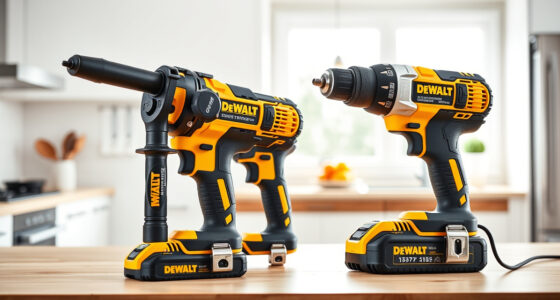
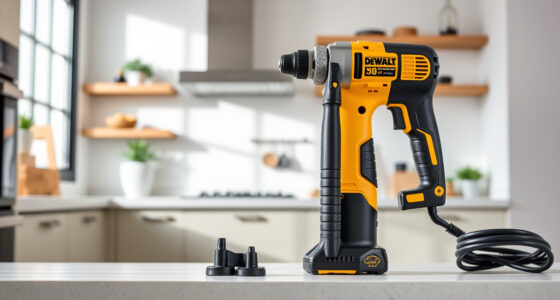
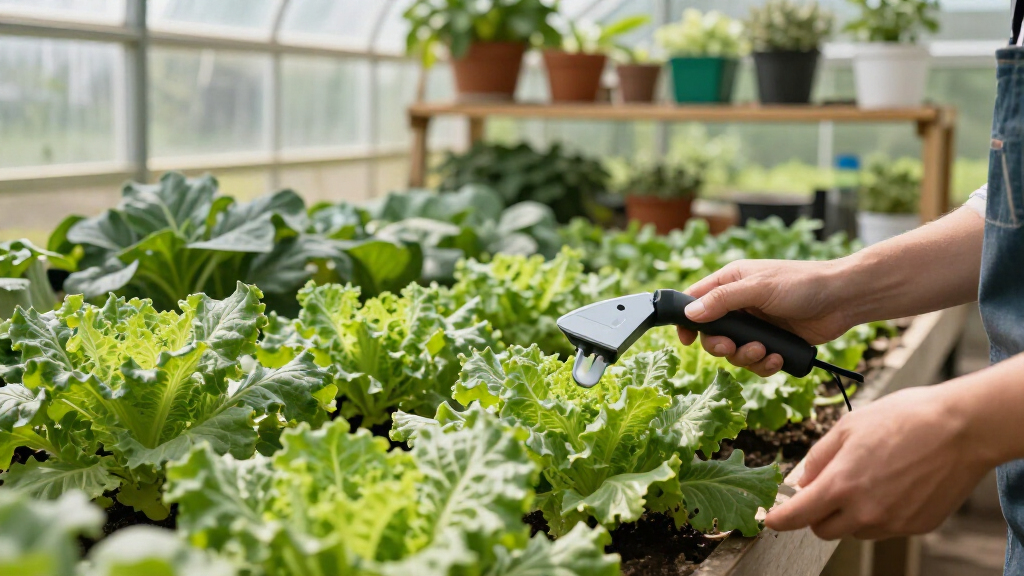
The device, which resembles a compact, oddly shaped tool, is marketed as a garden game changer. According to the manufacturer, it works by emitting specific signals or vibrations that deter pests and inhibit the growth of harmful fungi and bacteria. Initial user reports suggest that gardens treated with the device experience fewer pest invasions and disease outbreaks, with some gardeners noting healthier plants and increased yields. However, these claims are primarily anecdotal at this stage, and scientific studies validating the device’s effectiveness are still underway.
Experts in plant health and pest management have expressed cautious interest. Dr. Emily Carter, a horticultural scientist at the National Garden Institute, said, “While innovative approaches are always welcome, we need rigorous testing to confirm whether this device can reliably prevent pests and diseases across different garden environments.” The manufacturer has announced plans to conduct controlled field trials in collaboration with several universities over the coming months.
Pricing for the device varies, but it is positioned as an affordable alternative to chemical treatments. It is designed for easy use by home gardeners, with some models featuring adjustable settings and wireless connectivity for monitoring. The device’s compact size and portability make it suitable for various garden sizes, from small backyard plots to larger vegetable patches.
Potential Impact on Garden Pest and Disease Management
If proven effective, this device could significantly reduce reliance on chemical pesticides and fungicides, leading to more environmentally friendly gardening practices. Home gardeners could benefit from lower maintenance efforts and healthier plants, which may also translate into increased food security for those growing their own produce. Additionally, widespread adoption could influence the gardening industry by encouraging the development of more sustainable pest management tools. However, the actual impact depends on scientific validation and real-world testing of the device’s efficacy across diverse conditions.
As an affiliate, we earn on qualifying purchases.
Background and Development of Pest-Preventing Tools
Traditional pest and disease control in gardening relies heavily on chemical treatments, which can have environmental and health drawbacks. Over recent years, there has been growing interest in non-chemical, technology-based solutions, including ultrasonic repellents and biological controls. The new device’s emergence reflects this trend, combining innovative technology with the goal of reducing chemical use. Prior efforts have shown mixed results, with some ultrasonic devices failing to deliver consistent results. The current device claims to improve upon earlier designs through enhanced signal technology, but it is still in the early stages of adoption.
The product was developed by a startup that specializes in eco-friendly gardening innovations. Their prototype attracted attention through social media, where early adopters shared positive experiences, sparking broader interest. The company emphasizes that their device is safe for pets and children, an important consideration for household gardens.
As the device gains visibility, independent researchers are beginning to evaluate its claims. The upcoming scientific studies will be critical in determining whether this tool can truly revolutionize pest and disease management in home gardening.
“While innovative approaches are always welcome, we need rigorous testing to confirm whether this device can reliably prevent pests and diseases across different garden environments.”
— Dr. Emily Carter, horticultural scientist
Efficacy and Scientific Validation Pending
It is still unclear whether the device’s claims of pest and disease prevention will be confirmed through scientific testing. While early user reports are promising, controlled studies are needed to verify its effectiveness across different garden conditions and pest/disease types. The results of upcoming trials will determine if the device can be widely recommended as a reliable solution.
Upcoming Trials and Industry Evaluation
The manufacturer plans to conduct comprehensive field trials in collaboration with academic institutions over the next six months. These studies will assess the device’s performance in various climates and garden setups. Additionally, independent researchers and gardening experts are expected to publish evaluations, which will influence consumer trust and industry adoption. If results are positive, wider availability and integration into organic gardening practices could follow within the year.
Key Questions
How does this gardening device work?
The manufacturer states that the device emits specific signals or vibrations designed to deter pests and inhibit fungal growth. Exact technical details have not been fully disclosed, and independent verification is pending.
Is the device safe for pets and children?
According to the manufacturer, yes. The device is marketed as safe for household use and does not involve chemicals or harmful emissions.
Will this replace chemical pesticides?
It is too early to say. While the device aims to reduce chemical use, scientific validation is needed before it can be recommended as a primary pest and disease control method.
When will independent testing results be available?
Controlled scientific studies are planned over the next few months, with results expected within six to nine months.
Can I use this device on all types of plants?
The manufacturer claims broad compatibility, but effectiveness may vary depending on plant type and local pest pressures. Validation is still underway.
Source: rss