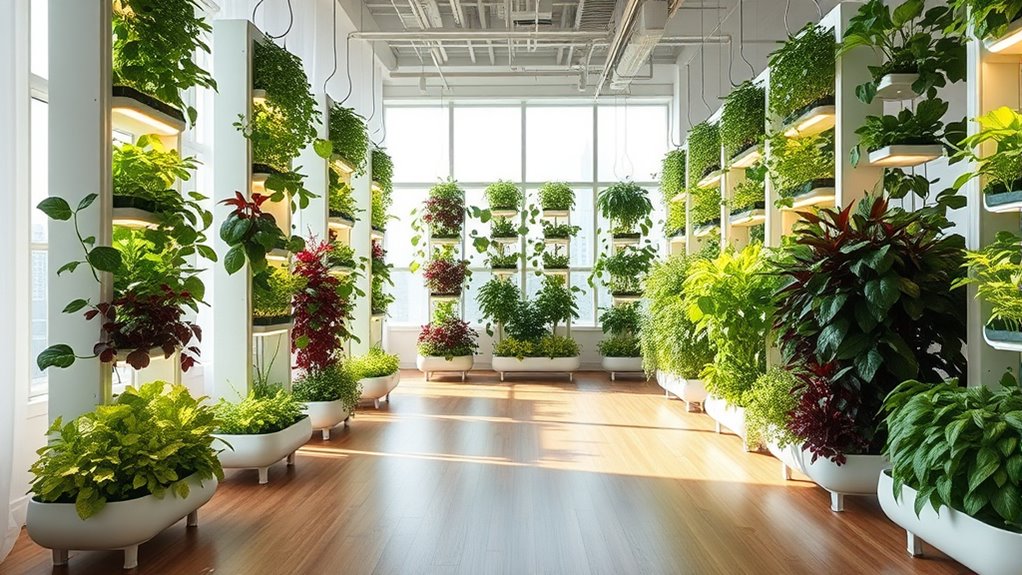

For most buyers comparing hydroponic systems, I rank the LETPOT LPH-SE as the best overall because its 12-pod capacity, app controls, and manageable size offer the strongest balance of automation and practicality. The Owltron 15-Pod System stands out for plants needing extra canopy clearance, while the Ahopegarden 10-Pod model is the more approachable choice for beginners. Buyers mainly need to choose among countertop convenience, bucket-based root space, and vertical growing capacity, with larger systems demanding more room and upkeep. Features such as Wi-Fi control and high pod counts can be useful, but light coverage, plant spacing, and reservoir access have a greater effect on daily ownership. Read on for the full breakdown and the clearest match for each type of grower.

Get garden gear delivered free with Prime
- Fast, free delivery on millions of items
- Prime Video, Amazon Music and more included
- Member-only deals all year
Complete the kit


Key Takeaways
- The LETPOT LPH-SE leads the ranking because it combines useful app controls with a practical 12-pod layout, avoiding the size and upkeep demands of the 21-, 66-, and 70-site alternatives.
- Advertised capacity was not treated as usable mature-plant capacity. The 66-pod Ahopegarden kit and 70-slot tower suit dense greens better than sprawling tomatoes, peppers, or mature herbs.
- Owltron offers the strongest tall-plant case among the countertop models because its light extends up to 30 inches, giving it an advantage over shorter herb-focused gardens.
- VEVOR provides the most bucket positions of the DWC choices with eight 5-gallon buckets, while the four-bucket VIVOSUN and Spider Farmer kits trade maximum volume for easier placement and management.
- The vertical choices serve different buyers: Lettuce Grow Farmstand favors a polished premium setup, while the 70-slot tower prioritizes planting density and a large 20-liter reservoir.
| Hydroponic Tower 14-Layer Growing System Kit |  | Best High-Capacity Vertical System | Number of Layers: 14 | Plant Slots: 70 | Water Tank Capacity: 20 liters (5.3 gallons) | VIEW ON AMAZON | See Our Full Breakdown |
| Owltron Smart Hydroponics Growing System Kit |  | Best Smart Indoor System | Pod Count: 15 | Tank Capacity: 5.5 liters | LED Power: 36 watts | VIEW ON AMAZON | See Our Full Breakdown |
| Ahopegarden Indoor Garden Hydroponics Growing System |  | Best for Beginners | Pod Count: 10 | Grow Light: Height-adjustable LED | Light Modes: Vegetables; flowers and fruits | VIEW ON AMAZON | See Our Full Breakdown |
| URUQ 8 Pods Hydroponics Growing System |  | Best for Flexible Light Positioning | Pod Count: 8 | LED Power: 24 watts | Tank Capacity: 3 liters | VIEW ON AMAZON | See Our Full Breakdown |
| VEVOR DWC Hydroponic System |  | Best for Large Plants | System Type: Deep water culture | Bucket Count: 8 | Bucket Capacity: 5 gallons each | VIEW ON AMAZON | See Our Full Breakdown |
| Hydroponics Growing System Herb Garden with 10 Pods, LED Grow Light, and Smart Display |  | Best Budget Smart Display | Pod Capacity: 10 pods | Water Tank Capacity: 3 L | Maximum Light Height: 15.4 inches | VIEW ON AMAZON | See Our Full Breakdown |
| Ahopegarden Indoor Garden Hydroponics Growing System Kit with 66 Pods |  | Best High-Capacity Indoor Garden | Pod Capacity: 66 pods | Total Water Capacity: 30 L | Reservoir Configuration: Three independent 10 L tanks | VIEW ON AMAZON | See Our Full Breakdown |
| LETPOT LPH-SE 12-Pod Hydroponics Growing System |  | Best Mid-Size App-Controlled System | Pod Capacity: 12 pods | Water Tank Capacity: 5.5 L | LED Power: 24 W | VIEW ON AMAZON | See Our Full Breakdown |
| VIVOSUN DWC Hydroponics Grow System with Top Drip Kit |  | Best DWC Kit for Fruiting Crops | System Type: Deep water culture with top-drip irrigation | Number of Buckets: 4 | Bucket Capacity: 5 gallons each | VIEW ON AMAZON | See Our Full Breakdown |
| LETPOT LPH-Max 21-Pod Hydroponic Indoor Garden System |  | Best Premium Automated System | Pod Capacity: 21 pods | Tank Capacity: 7.5 L | Light Power: 36 W | VIEW ON AMAZON | See Our Full Breakdown |
| Ahopegarden 12-Pod Hydroponics Growing System Kit with LCD Control Panel |  | Best Countertop Controls | Pod Capacity: 12 pods | Water Tank Capacity: 5 L | Control Panel: LCD touchscreen | VIEW ON AMAZON | See Our Full Breakdown |
| Spider Farmer 4-Bucket DWC Hydroponics Growing System Kit |  | Best for Large Plants | System Type: Deep water culture with top-feed irrigation | Number of Buckets: 4 | Bucket Capacity: 7 gallons each | VIEW ON AMAZON | See Our Full Breakdown |
| Lettuce Grow Farmstand Indoor Hydroponic Vertical Garden System |  | Best Space-Saving Design | System Type: Indoor hydroponic garden | Growing Orientation: Vertical | Design: Vase-inspired | VIEW ON AMAZON | See Our Full Breakdown |
| 12-Pod Indoor Hydroponic Herb Garden with LED Grow Light |  | Best Lighting Flexibility | Pod Capacity: 12 pods | Water Tank Capacity: 4 L | Maximum Light Height: 14.2 inches | VIEW ON AMAZON | See Our Full Breakdown |
More Details on Our Top Picks
Hydroponic Tower 14-Layer Growing System Kit
I rank the Hydroponic Tower 14-Layer Growing System Kit as the strongest choice here for growers who want maximum planting capacity from limited floor space. Its 70 slots exceed the 15-pod Owltron and 10-pod Ahopegarden systems by a wide margin, while the 20-liter tank reduces refill frequency. Timed top-to-bottom circulation also distributes water through every tier without separate buckets or air lines. That scale brings added work: assembly is less approachable than setting up the countertop Ahopegarden, and the small openings favor herbs, leafy greens, and compact flowers over substantial fruiting crops. Although it works indoors or outdoors, indoor placement may call for a separate light source. I place it above smaller pod gardens for yield potential, but below simpler options for first-time growers.
Pros:- Seventy slots provide the largest planting capacity in this batch
- Vertical 14-layer layout uses floor space efficiently
- Twenty-liter reservoir needs fewer refills than small countertop tanks
- Timed top-to-bottom circulation waters every tier
Cons:- Fourteen-layer assembly and pump setup may challenge beginners
- Small planting slots restrict crop size
- Indoor growing may require a separate light source
Best for: Urban growers who want dozens of herbs or leafy greens from a narrow indoor or outdoor footprint
Not ideal for: First-time growers seeking a plug-and-grow countertop unit, or gardeners raising large root systems and heavy fruiting plants
- Number of Layers:14
- Plant Slots:70
- Water Tank Capacity:20 liters (5.3 gallons)
- Watering Direction:Top to bottom
- Pump Control:Timed circulation
- Growing Method:Soilless hydroponics
- Placement:Indoor or outdoor
- Suggested Crops:Herbs, vegetables, and flowers
Our verdict“Choose this tower when planting density matters more than simple setup or room for large individual plants.”
Owltron Smart Hydroponics Growing System Kit
The Owltron Smart Hydroponics Growing System Kit earns my smart-system pick because it combines 15 planting pods, app control, and a 30-inch light mast in a relatively light indoor unit. Compared with the 10-pod Ahopegarden, it accommodates five more plants and gives taller herbs or vegetables considerably more overhead. Its 36-watt full-spectrum light also removes the need to position the garden beside a sunny window, while the sub-20-decibel pump suits kitchens and workspaces. The compromise is a 5.5-liter tank that will need more attention than the 20-liter Hydroponic Tower reservoir, especially with all pods occupied. App-based operation adds convenience but also another setup layer for buyers who prefer physical controls. I favor this model for connected oversight and plant height, not for the lowest-maintenance watering schedule.
Pros:- App control supports remote adjustments and monitoring
- Fifteen pods offer more capacity than basic countertop gardens
- Thirty-inch adjustable mast leaves room for taller growth
- Pump operates below 20 decibels
Cons:- A 5.5-liter tank needs regular water and nutrient checks
- App pairing may add friction during initial setup
- Designed only for indoor growing
Best for: Indoor growers who want app control, quiet operation, and enough light clearance for taller herbs or vegetables
Not ideal for: Buyers avoiding smartphone-dependent features or anyone wanting a large reservoir for infrequent refilling
- Pod Count:15
- Tank Capacity:5.5 liters
- LED Power:36 watts
- Light Type:Full-spectrum LED
- Maximum Pole Height:30 inches
- Pump Noise:Less than 20 dB
- Controls:Smartphone app
- Item Weight:4.97 pounds
- Dimensions:6.69 x 11.61 x 15.15 inches
Our verdict“Pick the Owltron when smart control and generous plant clearance outweigh the upkeep of a modest reservoir.”
Ahopegarden Indoor Garden Hydroponics Growing System
I give the Ahopegarden 10-Pod Indoor Garden the beginner role because its preset 16-hour light cycle and two crop modes reduce the number of daily lighting decisions. The water-level window also makes reservoir checks direct, while the compact format is easier to place than the 14-layer Hydroponic Tower. Compared with the Owltron system, Ahopegarden gives up app control, five pod positions, and much of the vertical clearance; plants are limited to about 14.5 inches. That simpler design can be an advantage for someone who wants herbs on a counter without pairing another device. Ten pods still require thinning and pruning when plants spread, and the reservoir needs recurring water and nutrient refills. I rank it as the most approachable entry point, though ambitious growers may outgrow its capacity and height sooner than the Owltron.
Pros:- Preset light timer reduces daily intervention
- Separate vegetable and flower-fruit modes match different crop needs
- Water-level window makes refill timing easy to judge
- Compact form suits kitchen counters
Cons:- Ten pods provide less capacity than the Owltron and vertical tower
- Plant height is limited to about 14.5 inches
- Water and nutrients still require regular manual replenishment
Best for: New indoor gardeners who want a compact herb garden with preset lighting and straightforward visual water checks
Not ideal for: Growers planning tall vegetables, more than ten plants, or app-controlled schedules
- Pod Count:10
- Grow Light:Height-adjustable LED
- Light Modes:Vegetables; flowers and fruits
- Light Schedule:16 hours on, 8 hours off
- Maximum Plant Height:14.5 inches
- Water Monitoring:Reservoir level window
- Placement:Indoor countertop
Our verdict“This is my pick for beginners who value simple presets over connected controls, tall-plant clearance, or high capacity.”
URUQ 8 Pods Hydroponics Growing System
The URUQ 8-Pod Hydroponics Growing System makes my list for its rotating, detachable light panel, a practical distinction when plants grow unevenly or the tank needs cleaning. Its mast reaches 21 inches, giving crops more headroom than the Ahopegarden model’s 14.5-inch limit, though it falls short of the Owltron’s 30-inch reach. The 24-watt LED and automatic 16-hour cycle suit a small indoor herb collection without relying on window light, and the quiet circulation pump keeps roots watered and aerated. Capacity is the main sacrifice: eight pod positions make this the smallest garden in the batch, while its 3-liter tank demands closer refill attention than Owltron’s 5.5-liter reservoir. I would choose URUQ for light-angle control and easy access, but not when harvest volume or reduced maintenance leads the decision.
Pros:- Light panel rotates 180 degrees for targeted coverage
- Detachable lamp improves access during cleaning
- Twenty-one-inch height adjustment supports moderate plant growth
- Automatic light cycle and quiet pump reduce daily management
Cons:- Eight pods offer the lowest planting capacity in this batch
- Three-liter tank may need frequent refilling when fully planted
- Larger and root-heavy crops can overwhelm the compact system
Best for: Apartment growers who want a small indoor garden with adjustable light direction and extra room above compact plants
Not ideal for: Households seeking high herb output or a reservoir that can go longer between refills
- Pod Count:8
- LED Power:24 watts
- Tank Capacity:3 liters
- Light Schedule:16 hours on, 8 hours off
- Maximum Light Height:21 inches
- Panel Rotation:180 degrees
- Light Assembly:Adjustable and detachable
- Water Circulation:Quiet pump
Our verdict“Choose URUQ for adaptable lighting in a small indoor setup, provided eight pods and a three-liter tank meet your needs.”
VEVOR DWC Hydroponic System
I rank the VEVOR DWC Hydroponic System as the best option here for large root zones and independently spaced plants. Eight 5-gallon buckets give each crop far more root volume than the small slots in the 70-site Hydroponic Tower, making VEVOR better suited to growers prioritizing plant size over sheer count. Its 25-liter-per-minute air pump feeds individual air stones, while water-level devices make bucket checks easier. Unlike the Owltron and Ahopegarden gardens, this kit supplies no integrated grow light, timer-led crop program, or compact countertop housing. Eight buckets, tubing, and electrical aeration also require more floor area and a more involved assembly process. I place it ahead of pod systems for scalable deep-water culture, but beginners wanting a tidy all-in-one herb garden will find the smaller illuminated units much easier to manage.
Pros:- Eight five-gallon buckets provide generous root space
- Twenty-five-liter-per-minute pump delivers strong aeration
- Individual air stones and water-level devices support bucket-by-bucket management
- Included valves and clay pebbles create a broadly equipped DWC kit
Cons:- Eight buckets and connecting hardware require substantial space
- Assembly is more involved than with self-contained pod gardens
- No integrated grow light is listed for indoor cultivation
Best for: Indoor or outdoor growers raising eight substantial plants with dedicated five-gallon root chambers
Not ideal for: Countertop gardeners who need integrated lighting, compact dimensions, or minimal plumbing and assembly
- System Type:Deep water culture
- Bucket Count:8
- Bucket Capacity:5 gallons each
- Bucket Material:PP
- Air Pump Power:10 watts
- Air Pump Voltage:AC 120V, 60Hz
- Airflow:25 liters per minute
- Root Aeration:Individual air stones
- Included Equipment:Air pump, air stones, water-level devices, check valves, clay pebbles, and manual
Our verdict“Buy the VEVOR when root capacity and eight-plant DWC production matter more than compactness or all-in-one convenience.”
Hydroponics Growing System Herb Garden with 10 Pods, LED Grow Light, and Smart Display
I rank the 10-Pod Hydroponics Growing System as the best budget smart-display pick because its LCD puts temperature and humidity readings directly on the unit, without making a phone part of daily care. Compared with the LETPOT LPH-SE, it offers fewer pods, a smaller tank, and no remote control, but it is better suited to buyers who prefer visible controls over app configuration. The 15.4-inch light clearance works well for basil, lettuce, and other compact greens, while the two timer modes add flexibility for leafy and fruiting plants. My main reservation is the 3-liter reservoir: thirsty mature plants may require regular refills. Seeds also cost extra, and the controls may feel less approachable than those of a simpler Ahopegarden 10-pod kit.
Pros:- LCD displays temperature and humidity directly on the system
- Two timer modes support both leafy greens and fruiting plants
- Water-level window makes reservoir checks quick
- Adjustable light accommodates plants up to 15.4 inches
Cons:- Three-liter tank may empty quickly with mature, water-hungry plants
- Seeds require a separate purchase
- Setup has more controls to learn than a basic countertop garden
Best for: Budget-minded kitchen gardeners who want environmental readings and automatic light schedules without relying on a smartphone
Not ideal for: Growers raising several thirsty tomato plants, since the 3-liter reservoir may need frequent attention
- Pod Capacity:10 pods
- Water Tank Capacity:3 L
- Maximum Light Height:15.4 inches
- Vegetable Timer:16 hours
- Fruit Timer:22 hours
- Display:LCD with temperature and humidity readings
Our verdict“This is my pick for shoppers seeking useful on-device monitoring at a smaller scale and lower level of complexity than an app-centered system.”
Ahopegarden Indoor Garden Hydroponics Growing System Kit with 66 Pods
The Ahopegarden 66-Pod System earns its place through scale: its three independent 10-liter water zones let a household separate crops or nutrient routines instead of treating 66 plants as one bed. I would choose it over the LETPOT LPH-Max when maximum planting capacity matters more than automatic nutrient dosing or app access. Dual full-spectrum lights and a 53-watt rating suit dense batches of greens and herbs, while the 26-inch footprint remains more manageable than many vertical towers. That capacity also creates the model’s biggest compromises. Filling, cleaning, and balancing three separate reservoirs demands more work than maintaining a 10- or 12-pod countertop garden. The 14.68-inch light clearance favors compact crops, not tall tomatoes, and its higher price makes little sense for anyone planting only a few herbs.
Pros:- Sixty-six pod sites provide the largest planting capacity in this batch
- Three independent 10-liter tanks allow crops to be grouped by feeding needs
- Dual full-spectrum LED lights cover a broad planting area
- Adjustable structure packs substantial capacity into a 26-inch-wide unit
Cons:- Three reservoirs create more cleaning and nutrient-management work
- Higher purchase price is difficult to justify for small harvests
- Light-height range restricts taller fruiting crops
Best for: Households growing large, repeated batches of compact greens or herbs that benefit from three independently managed water zones
Not ideal for: Casual herb growers and people raising tall fruiting plants, since the system is costly, maintenance-heavy, and limited to 14.68 inches of light clearance
- Pod Capacity:66 pods
- Total Water Capacity:30 L
- Reservoir Configuration:Three independent 10 L tanks
- Lighting:Dual full-spectrum LED grow lights
- Power:53 W
- Dimensions:26 x 14.5 x 17.3 inches
- Adjustable Light Height:14.68 inches
Our verdict“I recommend this system for serious indoor growers who will use its 66 sites and accept heavier upkeep in exchange for far more capacity.”
LETPOT LPH-SE 12-Pod Hydroponics Growing System
I see the LETPOT LPH-SE as the sweet spot for growers who want app control without paying for the larger LPH-Max. Its 12 planting pods provide more variety than the 10-pod smart-display system, while the 5.5-liter tank reduces refill pressure and is rated to support up to three weeks of growth. WiFi scheduling, lighting adjustments, and water reminders make the system easier to monitor away from the kitchen. The 30-inch lamp clearance also gives taller herbs and fruiting plants more room than the Ahopegarden 66-pod model. Still, the LPH-SE lacks the LPH-Max’s automatic nutrient supply and 21-pod capacity. Buyers must use the smartphone app to reach its full feature set, and initial WiFi setup adds friction that a screen-based garden avoids.
Pros:- WiFi app provides remote lighting controls and care reminders
- Five-and-a-half-liter tank supports longer gaps between refills
- Thirty-inch growing height leaves room for taller plants
- Twelve pods balance crop variety with countertop-friendly capacity
Cons:- Full functionality depends on a compatible smartphone and WiFi connection
- Does not automate nutrient supply like the LETPOT LPH-Max
- App pairing and initial setup may frustrate less technical buyers
Best for: Apartment growers who want remote light scheduling and reminders for a varied 12-plant herb or salad garden
Not ideal for: Buyers who avoid smartphone apps or want nutrients dispensed automatically, since core smart functions depend on the app and feeding remains hands-on
- Pod Capacity:12 pods
- Water Tank Capacity:5.5 L
- LED Power:24 W
- Maximum Lighting Height:30 inches
- Connectivity:WiFi and dedicated app
- Water Support:Up to 3 weeks of growth
- Claimed Growth Speed:Up to 40% faster than traditional methods
Our verdict“This is my mid-size choice for connected-home users who want useful remote controls but do not need the LPH-Max’s added capacity and automation.”
VIVOSUN DWC Hydroponics Grow System with Top Drip Kit
The VIVOSUN four-bucket DWC system is my choice for growers moving beyond countertop herbs into peppers, tomatoes, flowers, or other large individual plants. Each five-gallon bucket gives roots far more space than a pod garden, while the 25-liter-per-minute air pump, air stones, and top-drip feed keep oxygenated nutrient solution circulating around young and established roots. Compared with the LETPOT LPH-Max, this kit sacrifices integrated lighting, app controls, and compact presentation for larger root zones and indoor-or-outdoor flexibility. That makes it more capable but less self-contained. Buyers must assemble tubing, monitor nutrient chemistry, and supply suitable lighting when growing indoors. Four buckets also occupy more floor area than a countertop unit, and the shared 15-watt pump means pump failure can affect every plant connected to it.
Pros:- Five-gallon buckets provide substantial root space for large plants
- Top-drip irrigation supports young roots before they reach the nutrient solution
- High-output air pump supplies active oxygenation across four buckets
- Kit supports indoor and outdoor growing arrangements
Cons:- Requires more assembly and nutrient monitoring than countertop pod systems
- No integrated grow light is specified for indoor cultivation
- A single shared pump creates a common failure point for all four buckets
Best for: Hands-on growers raising four large fruiting plants or flowers with room for separate five-gallon buckets
Not ideal for: Kitchen herb gardeners seeking a tidy all-in-one appliance, because this kit needs assembly, floor space, nutrient management, and separate indoor lighting
- System Type:Deep water culture with top-drip irrigation
- Number of Buckets:4
- Bucket Capacity:5 gallons each
- Air Pump Output:25 L/min
- Pump Power:15 W
- Electrical Rating:120 V / 60 Hz
- Air Tube Length:12 m
Our verdict“I would pick the VIVOSUN for four sizable crops when root capacity and growing flexibility matter more than app-based convenience.”
LETPOT LPH-Max 21-Pod Hydroponic Indoor Garden System
I rank the LETPOT LPH-Max as the premium automation pick because it combines 21 pods with automatic watering and nutrient delivery, reducing two recurring chores that most countertop systems leave to the grower. Its 7.5-liter tank supports up to 30 days of watering, and the adjustable full-spectrum lamp leaves 30 inches for taller herbs and fruiting plants. Compared with the LPH-SE, the Max offers nine additional sites, a stronger 36-watt light, and more hands-off feeding; compared with the Ahopegarden 66-pod system, it trades raw capacity for simpler crop care. I would not place it first for value, though. The higher price pays for convenience rather than maximum yield, and app pairing adds setup work. Its 21 plants share one reservoir, which also limits the ability to run sharply different nutrient formulas.
Pros:- Automatic watering and nutrient delivery reduce recurring manual care
- Twenty-one pods provide meaningful capacity without reaching rack-system scale
- Thirty-inch adjustable light height accommodates taller crops
- WiFi app supports remote monitoring and customizable lighting
Cons:- Premium price prioritizes convenience rather than the highest pod count
- App configuration adds complexity during initial setup
- Shared reservoir is less flexible than independently managed water zones
Best for: Busy connected-home users who want a medium-large indoor crop with automated water and nutrient delivery
Not ideal for: Volume-focused growers or people cultivating crops with very different feeding needs, since 21 shared-reservoir sites cannot match the Ahopegarden’s capacity or separate zones
- Pod Capacity:21 pods
- Tank Capacity:7.5 L
- Light Power:36 W
- Lighting:Full-spectrum LED
- Maximum Growing Height:30 inches
- Watering Duration:Up to 30 days
- Connectivity:WiFi and app control
- Automation:Automatic watering and nutrient supply
Our verdict“The LPH-Max is my premium choice for busy indoor gardeners willing to pay more for 21-pod capacity and reduced day-to-day maintenance.”
Ahopegarden 12-Pod Hydroponics Growing System Kit with LCD Control Panel
I rank the Ahopegarden 12-Pod System as the strongest choice here for gardeners who want clear, accessible controls without moving to an app-connected model. Its LCD touchscreen, two lighting modes, and 17-inch adjustment range provide more direct control than the simpler 12-Pod Indoor Hydroponic Herb Garden. The 5-liter tank also holds more water than that model’s 4-liter reservoir, which can reduce refill frequency. Compared with the Lettuce Grow Farmstand, this is less decorative but offers more explicit lighting and pump specifications. The main compromises are its countertop-scale capacity and limited vertical clearance: tall or sprawling crops will outgrow it. I would also expect water monitoring to remain part of the routine, and demanding fruiting plants may need stronger supplemental light.
Pros:- LCD touchscreen makes lighting and system controls easy to access
- Five-liter reservoir is larger than the other 12-pod countertop model in this batch
- Dual light modes support different plant growth stages
- Compact footprint provides 12 planting positions for indoor growing
Cons:- Seventeen-inch height limit restricts taller plants
- Five-liter tank still requires routine water-level checks and refilling
- Built-in lighting may be insufficient for light-hungry fruiting crops
Best for: Countertop gardeners who want 12 planting positions, touchscreen operation, and adjustable lighting for herbs and compact vegetables
Not ideal for: Growers raising tall or heavy-fruiting plants, because the 17-inch light clearance and 5-liter tank favor smaller crops
- Pod Capacity:12 pods
- Water Tank Capacity:5 L
- Control Panel:LCD touchscreen
- Lighting Modes:Two modes
- Lighting Cycle:Up to 22 hours
- Maximum Light Height:17 inches
- Water Pump Cycle:30 minutes
Our verdict“This is my pick for indoor herb growers who value tactile controls and a larger reservoir more than app features or room for tall plants.”
Spider Farmer 4-Bucket DWC Hydroponics Growing System Kit
The Spider Farmer DWC Kit earns its place by giving four plants far more root volume than any pod-style garden in this batch. Each 7-gallon bucket supports larger crops, while the 28 L/min air pump and irrigation rings provide active aeration and adjustable water delivery. That makes it better suited to ambitious indoor growing than the Ahopegarden 12-Pod System, though it sacrifices the Ahopegarden’s integrated lights and polished controls. It also offers larger buckets than the four-bucket, 5-gallon VIVOSUN DWC kit listed elsewhere in the roundup. I would choose it for a dedicated grow area, not a kitchen counter. Assembly, multiple nutrient reservoirs, electrical equipment, and ongoing pump maintenance create a steeper learning curve, while lighting must be sourced separately.
Pros:- Four 7-gallon buckets provide ample root space for larger crops
- Air pump supplies up to 28 L/min for strong reservoir aeration
- Adjustable irrigation rings provide more control than passive DWC buckets
- Corrosion-resistant polypropylene supports repeated indoor growing cycles
Cons:- No integrated grow light, requiring a separate lighting purchase
- Four reservoirs and extensive tubing demand more setup and maintenance than pod gardens
- Larger footprint is poorly suited to kitchens and other shared living spaces
Best for: Indoor growers with a dedicated tent, greenhouse, or balcony space who want substantial root capacity for four larger plants
Not ideal for: First-time countertop gardeners who want integrated lighting and a nearly self-contained appliance
- System Type:Deep water culture with top-feed irrigation
- Number of Buckets:4
- Bucket Capacity:7 gallons each
- Air Pump Power:11 W
- Maximum Airflow:28 L/min
- Electrical Rating:120 V / 60 Hz
- Bucket Material:Corrosion-resistant polypropylene
- Aeration Hardware:Air pump, air stones, and tubing
- Growing Hardware:Net cups, clay pebbles, water-level tubes, and irrigation rings
Our verdict“I recommend this kit to growers ready to trade countertop simplicity for the root space and aeration needed by four substantial plants.”
Lettuce Grow Farmstand Indoor Hydroponic Vertical Garden System
I place the Lettuce Grow Farmstand in the design-focused slot because its vertical, vase-inspired structure turns floor space into growing room while fitting more naturally into a living area. It is aimed at herbs, lettuce, and leafy greens, making crop selection clearer than with systems promising support for everything from flowers to vegetables. Compared with the Spider Farmer DWC Kit, the Farmstand is tidier, less equipment-heavy, and friendlier to beginners; the tradeoff is less flexibility for large individual plants. The Ahopegarden 12-Pod System provides more detailed lighting and reservoir controls, while this listing emphasizes appearance and low maintenance without supplying equivalent technical detail. I would pick the Farmstand when compact vertical placement matters most, but value-focused buyers may resist its higher price and recurring water and nutrient care.
Pros:- Vertical format uses less horizontal space than bucket and countertop layouts
- Vase-inspired appearance suits visible kitchens and living areas
- Straightforward setup is approachable for first-time hydroponic gardeners
- Crop focus is well matched to herbs, lettuce, and other leafy greens
Cons:- Higher price than basic countertop herb gardens
- Water and nutrients still need regular topping off
- Limited published technical details make direct performance comparisons difficult
Best for: Apartment residents and design-conscious beginners who want leafy greens from a vertical garden that can remain visible in a living space
Not ideal for: Budget buyers or growers who need published lighting, reservoir, and pump specifications before choosing a system
- System Type:Indoor hydroponic garden
- Growing Orientation:Vertical
- Design:Vase-inspired
- Primary Crops:Herbs, lettuce, and leafy greens
- Space Profile:Compact, space-saving footprint
- Setup:Easy setup
- Maintenance:Low-maintenance design
Our verdict“This is my choice for buyers who prioritize a living-space-friendly vertical garden over detailed controls, low pricing, or large-crop flexibility.”
12-Pod Indoor Hydroponic Herb Garden with LED Grow Light
The 12-Pod Indoor Hydroponic Herb Garden stands out for lighting flexibility: users can select vegetable or flower mode, choose a 16- or 22-hour timer, and raise the lamp to 14.2 inches. I rank it behind the Ahopegarden 12-Pod System for controls and reservoir size, since it has a smaller 4-liter tank and lacks the Ahopegarden’s LCD touchscreen. Its water-level window and self-circulating pump, however, make routine checks easier than on systems with less visible reservoirs. Compared with the Lettuce Grow Farmstand, this model is more conventional in appearance but provides clearer control over daily light exposure. The limitations are substantial for tall crops: the modest lamp clearance favors herbs, flowers, and compact greens. Beginners may also find the initial pod, timer, and pump setup less intuitive than simpler preset systems.
Pros:- Vegetable and flower modes adapt lighting to different crop goals
- Choice of 16-hour and 22-hour schedules provides useful timer flexibility
- Water-level window makes reservoir checks quick
- Silent self-circulating pump keeps water moving without prominent noise
Cons:- Four-liter tank needs more frequent attention than the Ahopegarden model’s five-liter reservoir
- Maximum 14.2-inch light height restricts tall and sprawling crops
- Initial configuration may feel complicated for buyers seeking preset operation
Best for: Indoor growers who want adjustable light schedules for a mixed countertop planting of herbs, compact greens, and small flowers
Not ideal for: People growing tall vegetables or seeking the simplest possible setup, because light clearance is limited and several settings require configuration
- Pod Capacity:12 pods
- Water Tank Capacity:4 L
- Maximum Light Height:14.2 inches
- Lighting Modes:Vegetable and flower
- Timer Options:16 or 22 hours
- Pump Cycle:30 minutes on / 30 minutes off
- Pump Type:Silent self-circulating pump
- Grow Light:Full-spectrum LED
- Water Monitoring:Water-level window
Our verdict“I favor this model for buyers who want flexible light timing in a compact 12-pod garden and can accept limited height and a smaller tank.”
How We Picked
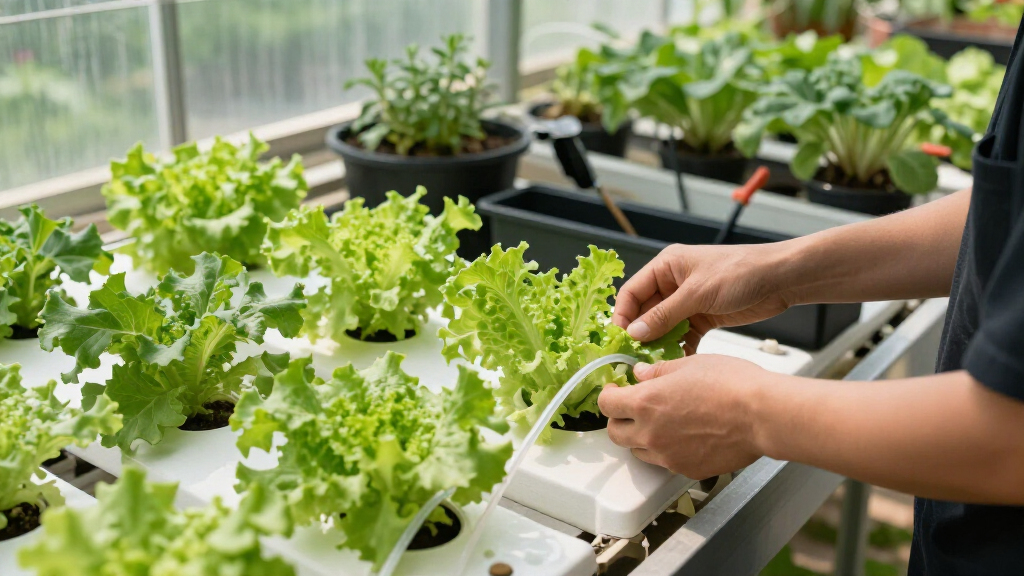
I compared these systems through six buyer-focused criteria: growing format, usable capacity, light coverage, crop flexibility, maintenance, and control features. Pump or aeration design, reservoir size, canopy clearance, and plant spacing shaped the performance ranking because those details affect root health and the range of crops a system can support. I also weighed how readily a buyer could refill, clean, monitor, and place each setup. Since countertop gardens, DWC buckets, and vertical towers solve different problems, I judged each model against the needs of its intended buyer rather than treating raw pod count as a universal performance score.
The order rewards balanced ownership more than maximum scale. A 70-slot tower offers far more planting positions than a 12-pod countertop garden, but it also asks for more floor space, assembly, crop planning, and cleaning. Connected controls earned extra credit when they reduced routine work, though an app could not compensate for restricted plant height or crowded spacing. I gave higher positions to systems with clear buyer advantages and manageable tradeoffs, while specialized DWC and vertical models ranked according to root volume, scalability, and setup demands.
Factors to Consider When Choosing Hydroponic Systems
I would choose a hydroponic system by working backward from the crops, harvest volume, and space available. Format matters more than pod count, and the easiest countertop garden can be a better purchase than a larger tower that does not fit the buyer’s routine. The following factors explain where paying more helps, where it adds complexity, and which specifications deserve less weight.
Choose the Growing Format Before the Brand
Countertop pod gardens, DWC buckets, and vertical towers solve different problems, so I would start with crop type and available floor area. Countertop systems are the easiest fit for herbs, lettuce, and small greens because the light, reservoir, and pump arrive as one compact unit. DWC bucket kits give each plant much more root volume, making them better suited to tomatoes, peppers, and other heavy feeders, but they need separate grow lights and more plumbing. Vertical towers use height efficiently and can support frequent leafy-green harvests, though their many planting sites create extra pruning and cleaning work. A common mistake is choosing the format with the largest advertised capacity before deciding where mature foliage will spread. I would favor the smallest format that can comfortably support the intended crops and harvest schedule.
Judge the Light by Coverage and Clearance
A grow light’s wattage offers only part of the story because coverage and canopy distance determine how evenly plants receive light. A powerful fixture can still produce uneven growth when outer pods sit beyond its strongest footprint. Adjustable height matters for basil, dill, and fruiting plants, while a low fixed hood is usually adequate for lettuce and compact herbs. I would check the maximum distance between the deck and light rather than relying on phrases such as adjustable or full-spectrum. Taller clearance increases crop choice, but raising the lamp can weaken the light reaching shorter plants below. Mixing crops with similar growth rates keeps the canopy level and reduces the need for constant pruning.
Separate Pod Count From Usable Capacity
A system with 21, 66, or 70 planting sites will not necessarily hold that many mature plants without crowding. Large herbs and fruiting crops need empty neighboring sites for airflow, light exposure, and leaf spread. Lettuce can be planted more densely, especially when heads are harvested young, while tomatoes may occupy several nominal pod positions by themselves. Buyers often compare capacity as if every opening represents one full-size harvest, which can lead to oversized expectations. An 8- to 12-pod garden may provide more practical space per plant for a small household than a crowded high-capacity model. I would estimate capacity using mature plant width and staggered harvest plans, not the number printed on the box.
Plan for Refilling, Cleaning, and Noise
Hydroponic ownership involves more than adding water, and easy reservoir access can save more time than an extra lighting mode. Wide openings simplify nutrient mixing and pump cleaning, while water-level indicators reduce the chance of discovering a dry reservoir too late. Opaque tanks and covered unused planting holes help limit algae by blocking light from the nutrient solution. Pump noise also matters in bedrooms, offices, and open kitchens, even when a product is described as quiet. App alerts are convenient, but physical access remains the bigger maintenance advantage because pumps, roots, and mineral deposits still need hands-on attention. I would place any system where spills are manageable and its reservoir can be removed or drained without shifting mature plants.
Pay More for the Features You Will Use
Upfront price is only one part of hydroponic cost because nutrients, replacement grow media, seeds, electricity, and pump parts recur over time. App and Wi-Fi controls justify a premium when remote light scheduling or alerts match the buyer’s routine, but they add little for someone who checks plants daily. Larger vertical systems make more sense when their harvest volume can replace regular produce purchases rather than serving as an occasional herb source. DWC kits often direct more of the budget toward root volume and aeration, though they require separate lighting and a less polished installation. I would also check whether baskets, sponges, nutrients, and pumps use standard or proprietary replacements. A lower purchase price can become less attractive if compatible consumables are hard to source.
Frequently Asked Questions
Should I Buy a Countertop Garden, DWC Kit, or Vertical Tower?
I would choose a countertop garden for herbs and leafy greens when easy setup and a built-in light matter most. A DWC kit is the stronger choice for tomatoes, peppers, and other large plants because individual buckets provide far more root room, though lighting and placement require extra planning. Vertical towers suit buyers seeking frequent greens from limited floor space and who are comfortable managing many plants at once. The wrong format usually creates more frustration than choosing a slightly less advanced model within the right format. Match the system to crop size and weekly maintenance time before comparing apps or display panels.
How Many Pods Does a Household Actually Need?
For one or two people growing herbs, eight to twelve pods usually allow useful variety without producing an overcrowded canopy. A 15- or 21-pod countertop system makes more sense for frequent salad greens or staggered planting, provided there is enough light coverage across the deck. Systems with 66 or 70 sites target higher-volume growing, but many openings may need to remain empty when crops mature. I would count a tomato or pepper as several pod positions rather than one. Usable capacity depends on plant width, not the number of holes alone.
Are App and Wi-Fi Controls Worth Paying For?
Connected controls are worthwhile for buyers who travel, keep irregular hours, or want to adjust light schedules without using the physical panel. They can also make a larger garden easier to monitor when alerts cover water levels or routine care. For a small system sitting in a frequently used kitchen, manual controls may be just as practical and less dependent on pairing or network stability. An app does not replace water changes, root trimming, nutrient measurement, or pump cleaning. I would pay extra only when remote scheduling solves a real routine problem.
Can These Systems Grow Tomatoes and Peppers?
Some can, but root volume, light clearance, and structural support matter more than whether a seed fits in the basket. Compact fruiting varieties may work in taller countertop models such as the Owltron, although they can shade nearby herbs and may need hand pollination. DWC bucket systems are better suited to full-size fruiting crops because each plant receives a dedicated 5-gallon container. High-capacity towers can hold compact varieties, but heavy plants may need extra support and wider spacing. I would reserve short countertop gardens for greens, herbs, and dwarf cultivars.
How Much Maintenance Should I Expect?
A small countertop garden generally needs water checks several times per week, periodic nutrient additions, pruning, and a deeper reservoir cleaning between crop cycles. Larger plants consume water faster, so a modest tank may need frequent refilling even when the system has an indicator or app alert. DWC kits add air stones, tubing, and multiple buckets to the cleaning routine, while towers create more channels and planting sites where roots or residue can collect. Pump noise, algae, and mineral buildup become easier to control when addressed early. I would choose a system whose tank and pump are easy to reach, since inaccessible parts often turn routine care into a bigger job.
What are the best hydroponic growing systems?
The best hydroponic growing systems are those that offer efficient nutrient delivery, ease of use, and reliable performance. The picks above include various types such as deep water culture, nutrient film technique, and aeroponics, each suited for different growing needs. When choosing a system, consider factors like space, plant type, and maintenance requirements. The options listed are popular choices among indoor gardeners and are known for their effectiveness in promoting healthy plant growth. Overall, selecting the right hydroponic growing system depends on your specific gardening goals and setup preferences.
Conclusion
I recommend the LETPOT LPH-SE as the best overall for buyers wanting app control, useful capacity, and a manageable countertop footprint. The Ahopegarden 10-Pod System is my best-value pick because it covers the core light-and-water functions without pushing buyers toward a larger connected setup. Beginners should start with the URUQ 8-Pod System, whose smaller planting deck is easier to fill, monitor, and keep pruned. For a premium vertical garden with a more finished all-in-one approach, I would choose the Lettuce Grow Farmstand.
Buyers growing taller countertop crops should favor the Owltron 15-Pod System for its 30-inch light adjustment, while the LETPOT LPH-Max is the better smart choice for households wanting 21 planting positions. The 70-slot tower makes the most sense for maximum leafy-green density, and the 66-pod Ahopegarden offers another high-capacity indoor route with integrated lighting. For large fruiting plants, I would move away from pod gardens and select the VIVOSUN four-bucket DWC kit; buyers needing eight separate buckets should choose the VEVOR instead. The right purchase comes down to whether the priority is countertop ease, root space, connected control, or harvest volume.
Fall Picks
fall essentials
As an affiliate, we earn on qualifying purchases.