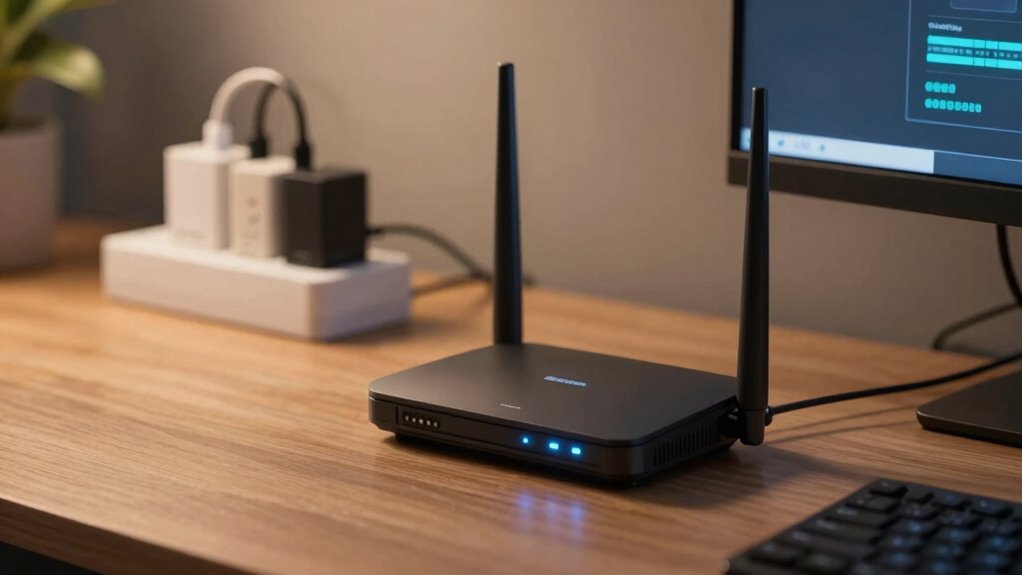

Having backup internet, lighting, and alerts can considerably boost your everyday resilience by ensuring you stay connected, safe, and informed during disruptions. These systems help prevent panic, support communication, and keep your environment safe even during outages. By sharing resources and learning how to use them effectively, you and your community can respond quickly and stay protected. If you want to discover more ways to build your resilience, keep exploring the options available.

Get garden gear delivered free with Prime
- Fast, free delivery on millions of items
- Prime Video, Amazon Music and more included
- Member-only deals all year
Key Takeaways
- Backup systems ensure continuous communication and information access during outages, maintaining daily routines and safety.
- Reliable lighting prevents accidents and enhances safety in homes and public spaces during power failures.
- Alert systems provide timely warnings, enabling quick community response to emergencies, reducing chaos and harm.
- Shared resources and training foster community cooperation, strengthening collective resilience against disruptions.
- Investing in backup solutions sustains remote work and healthcare, supporting normal activities amid unexpected disruptions.
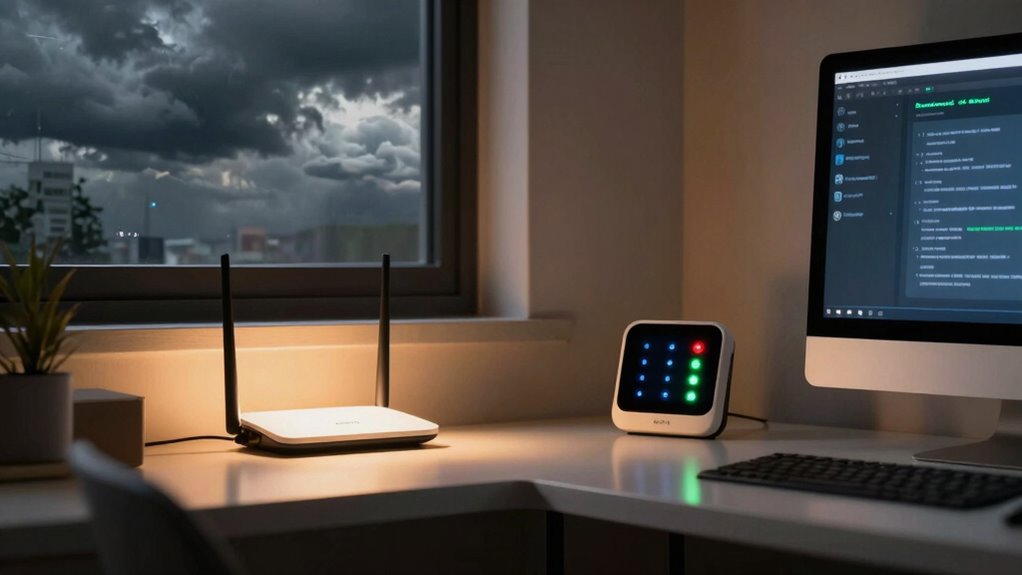
In today’s interconnected world, relying solely on a single internet connection or lighting system can leave you vulnerable during outages or emergencies. When disruptions happen, you might find yourself cut off from vital information, unable to communicate, or even in unsafe situations. That’s why having backup internet, lighting, and alert systems isn’t just a convenience—it’s a crucial part of emergency preparedness. These measures ensure you stay connected and safe, even when the primary systems fail. More importantly, they foster community collaboration, where neighbors and local organizations work together to build resilience and support each other during crises.
By keeping a backup internet connection, such as a mobile hotspot or satellite service, you create a reliable communication line that remains active when your primary connection drops. This allows you to access emergency updates, coordinate with emergency services, or check in with loved ones. It also enables remote work or telehealth appointments to continue uninterrupted. When you invest in backup lighting—like battery-powered lanterns, solar lights, or generators—you ensure your home remains illuminated during power outages. Proper lighting enhances safety, prevents accidents, and helps you navigate your environment confidently when darkness falls unexpectedly.
Backup internet and lighting keep you connected, safe, and prepared during outages and emergencies.
Alert systems serve as another vital layer of protection. Whether through battery-powered alarms, sirens, or wireless notification services, these systems can instantly inform you of emergencies, weather alerts, or security threats. When integrated with community collaboration, these alerts can be customized and shared quickly across neighborhoods or local groups, creating a network of informed residents prepared to respond effectively. This shared awareness helps coordinate community-wide responses, whether it’s organizing aid, managing evacuations, or supporting vulnerable populations. Incorporating redundant communication methods can further strengthen this network, ensuring messages reach everyone regardless of specific system failures. Using diverse communication channels can help overcome potential gaps in message delivery during crises.
Building everyday resilience with backup systems also encourages proactive planning and collective action. Community collaboration means neighbors look out for each other, sharing resources like backup power supplies or communication devices. Local organizations can coordinate training sessions on emergency preparedness, helping everyone understand how to utilize backup systems effectively. Additionally, utilizing backup internet options like satellite or mobile hotspots can ensure connectivity in remote or rural areas where traditional services may be unreliable. Incorporating biodiversity principles into community planning can also enhance resilience by promoting natural solutions that support local ecosystems and reduce dependency on fragile infrastructure. When everyone is equipped and informed, it reduces panic and chaos during crises, making the entire community more resilient.
Ultimately, investing in backup internet, lighting, and alert systems isn’t just about individual safety; it’s about fostering a culture of preparedness and cooperation. When you prioritize these measures and work together with your community, you create a safety net that minimizes risks and enhances recovery. In a world where disruptions are inevitable, your proactive approach ensures you’re not just surviving but thriving through resilience and collaboration.
As an affiliate, we earn on qualifying purchases.
Frequently Asked Questions
How Do I Choose the Best Backup Internet Provider?
To choose the best backup internet provider, you should prioritize internet redundancy and do a thorough provider comparison. Look for providers with reliable coverage in your area, fast speeds, and affordable plans. Read reviews to gauge their responsiveness during outages. Consider their customer support and installation process. By comparing options carefully, you make certain your backup internet is dependable when you need it most, keeping your daily activities uninterrupted.
What Are the Costs Associated With Installing Backup Lighting Systems?
The costs for installing backup lighting systems vary based on your needs, with factors like the type of lights and power sources influencing expenses. You should consider cost considerations such as equipment, wiring, and potential upgrades. Installation challenges might include limited space or existing infrastructure, which could increase labor costs. Budget for both initial setup and ongoing maintenance to guarantee reliable backup lighting when needed.
How Quickly Can Alert Systems Be Activated During Emergencies?
Think of your alert system as a lightning bolt—striking instantly when needed. During emergencies, it activates within seconds, showcasing exceptional system responsiveness. This rapid response is crucial for emergency preparedness, ensuring you’re alerted before chaos unfolds. Your system’s swift activation keeps you one step ahead, transforming moments of crisis into manageable situations. With this lightning-fast alert, you gain control and peace of mind amid life’s unpredictable storms.
Are There Environmental Impacts of Backup Energy Solutions?
Environmental impacts of backup energy solutions depend on the type you choose. Renewable energy sources like solar or wind are more environmentally sustainable, reducing pollution and greenhouse gas emissions. However, traditional backup options like diesel generators can harm ecosystems and produce significant emissions. By prioritizing renewable energy, you support environmental sustainability while ensuring reliable backup power, minimizing your ecological footprint during outages and contributing to a healthier planet.
How Do I Test the Effectiveness of My Backup Systems Regularly?
You should schedule regular maintenance planning to test your backup systems, ensuring they activate properly during outages. Conduct routine drills to verify system redundancy, like switching to backup internet or lighting without issues. Keep detailed logs of these tests to identify potential weaknesses. Regular testing confirms your backup systems’ reliability, helping you address problems early and maintain resilience in everyday emergencies.
Conclusion
By backing up your internet, lighting, and alerts, you create a safety net that keeps you connected and safe when chaos strikes. Without these backups, you might face sudden darkness or silence, feeling vulnerable amid uncertainty. Yet, with them in place, you gain confidence and control. It’s the quiet reassurance in the midst of disruption—a reminder that resilience isn’t just about enduring, but about preparing for the unexpected and thriving despite it.
Fall yard work Picks
leaf blowers
As an affiliate, we earn on qualifying purchases.