
TL;DR
Experts recommend specific pruning methods to improve tomato plant health and boost yields. Proper pruning can prevent disease and promote bigger harvests.
Horticulture experts advise gardeners to adopt specific pruning techniques to enhance tomato plant health and increase harvest sizes. These methods are confirmed to reduce disease risk and improve airflow, leading to stronger plants and better yields.
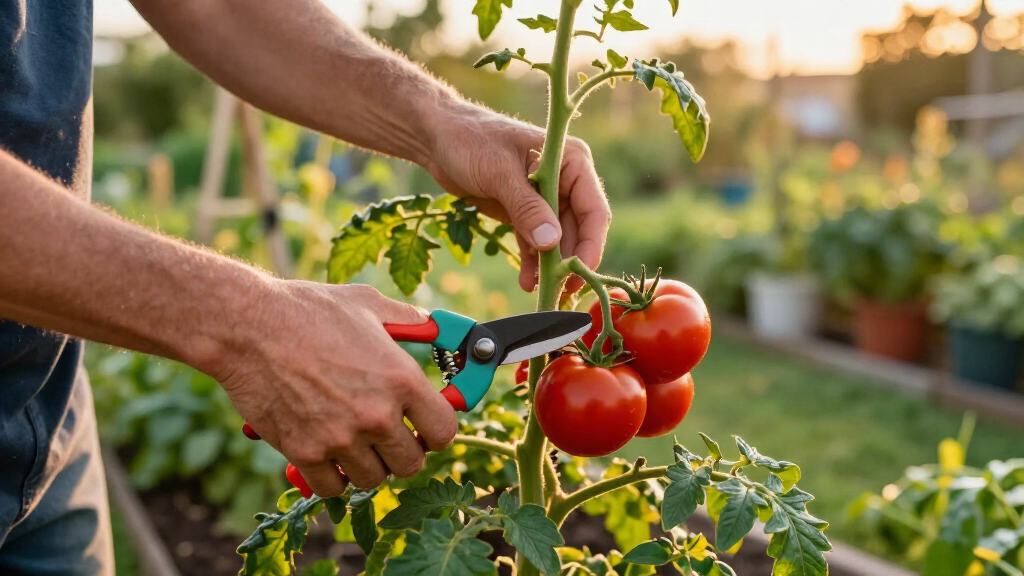
According to recent guidance from gardening specialists, pruning should focus on removing suckers—small shoots that develop in the leaf axils—to direct energy toward fruit production. Experts recommend pruning early in the growing season and maintaining consistent removal of side shoots for optimal results. Proper pruning not only encourages larger tomatoes but also reduces the risk of fungal diseases by improving airflow around the plants.
Furthermore, experts emphasize that pruning should be tailored to the tomato variety—determinate types require less pruning, while indeterminate varieties benefit from more aggressive removal of suckers. Gardeners are advised to use clean, sharp tools and to prune during dry weather to minimize disease spread. These practices are supported by horticultural research and are widely recommended by extension services and experienced growers.
Why Proper Tomato Pruning Can Boost Your Harvest
Implementing expert-recommended pruning techniques can lead to healthier plants, fewer diseases, and significantly larger harvests. This advice is crucial for both amateur and experienced gardeners aiming to maximize productivity and fruit quality. Proper pruning also reduces the need for chemical treatments, promoting organic gardening practices and sustainable food production.
As an affiliate, we earn on qualifying purchases.
Background on Tomato Pruning and Growing Practices
Tomato pruning has long been a part of advanced gardening techniques, especially among commercial growers. Traditionally, pruning helps manage plant size, improve air circulation, and focus plant energy on fruit development. Recent advice from horticultural experts consolidates these practices into clear guidelines for home gardeners, emphasizing timing, tools, and techniques. While some gardeners prune minimally, recent research and expert consensus highlight the benefits of more systematic pruning, especially for indeterminate varieties that grow continuously.
“Pruning is essential for controlling plant size, reducing disease, and increasing fruit size. The key is consistent, careful removal of suckers, especially early in the season.”
— Dr. Susan Green, horticulture specialist
Remaining Questions About Optimal Pruning Strategies
While experts agree on the general benefits of pruning, specific techniques—such as the ideal timing and extent of sucker removal—may vary based on tomato variety and growing conditions. There is ongoing research into whether pruning can be optimized further for different climates and organic versus conventional gardening practices. Additionally, some gardeners remain cautious about over-pruning, fearing it may reduce overall yield if not done correctly.
Next Steps for Gardeners and Researchers on Tomato Pruning
Gardeners are encouraged to experiment with pruning techniques recommended by experts and observe their results. Extension services and horticultural organizations plan to publish more detailed guidelines tailored to specific varieties and climates. Meanwhile, researchers continue studying the long-term impacts of various pruning methods on plant health and productivity, aiming to refine best practices further.
Key Questions
When is the best time to prune tomato plants?
Pruning is most effective when done early in the growing season, typically when plants are about 6-12 inches tall, and during dry weather to minimize disease risk.
How much of the plant should I prune?
Experts recommend removing suckers that develop in the leaf axils, especially those that are small and unlikely to produce fruit. The extent of pruning depends on the tomato variety and growth habit.
Can over-pruning harm my tomato plants?
Yes, excessive pruning can reduce overall yield if it removes too much foliage or if done improperly. It’s important to follow recommended techniques and avoid removing all leaves or main stems.
Do I need special tools for pruning tomatoes?
Using clean, sharp scissors or pruning shears is recommended to make precise cuts and prevent disease transmission.
Are there differences in pruning for determinate and indeterminate tomatoes?
Yes, determinate varieties generally require less pruning, while indeterminate types benefit from more aggressive sucker removal to manage their ongoing growth.
Source: rss