
TL;DR

Get garden gear delivered free — and shop member deals
- Fast, free delivery on millions of items
- Access to Prime Big Deal Days deals on October 6–7
- Prime Video, Amazon Music and more included
Adding four specific elements to your yard can make it a vital stopover for migrating birds. Experts recommend providing food, water, shelter, and safe resting spots. This helps support bird populations during their seasonal journeys.
Homeowners can now transform their yards into vital stopover points for migrating birds by adding four specific elements: food sources, water, shelter, and safe resting spots. Experts emphasize that these simple modifications support bird populations during their seasonal journeys, which is increasingly important amid habitat loss and climate change.
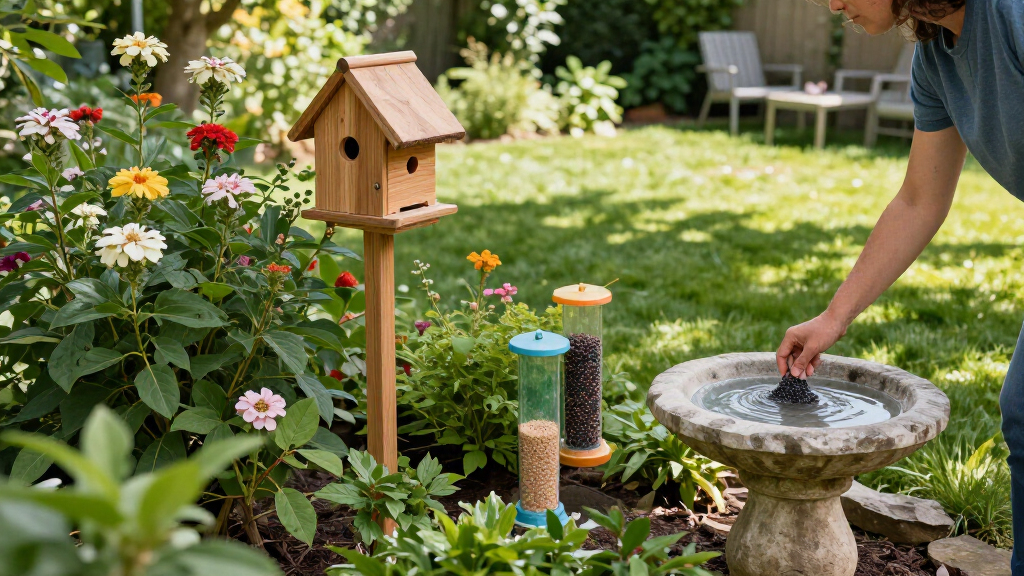
According to ornithologists, creating a welcoming environment for migrating birds involves incorporating four key features into gardens and yards. These include providing native plants that supply natural food sources, installing birdbaths or shallow water features, adding dense shrubbery or trees for shelter, and ensuring safe resting areas free from predators.
Several bird conservation organizations highlight that these elements can significantly increase the likelihood of migrating birds stopping over, especially during peak migration seasons in spring and fall. Experts note that such practices are simple, cost-effective, and beneficial for local ecosystems.
While specific recommendations vary by region, the core principles remain consistent: diversify plantings, maintain clean water sources, and minimize hazards such as window strikes or predator access. Researchers also stress the importance of year-round habitat maintenance to support bird health beyond migration periods.
Why Supporting Migrating Birds Matters for Ecosystems
Supporting migrating birds through yard modifications can have broader ecological benefits, including pest control and pollination. These birds are essential for maintaining healthy ecosystems, and providing them with reliable stopover sites helps sustain their populations amid ongoing habitat loss. Additionally, engaging in such practices can foster community awareness about bird conservation and biodiversity.
As an affiliate, we earn on qualifying purchases.
Seasonal Migration and Habitat Challenges for Birds
Each year, billions of birds undertake long-distance migrations between breeding and wintering grounds. These journeys can span thousands of miles and are increasingly threatened by habitat destruction, urban development, and climate change. Conservationists emphasize the importance of providing safe stopover sites to ensure birds can rest, refuel, and continue their migration successfully.
Recent studies indicate that many migrating species are arriving earlier or later than usual, due to shifting climate patterns, which complicates conservation efforts. Backyard habitats have become a crucial supplement to natural landscapes, offering vital resources during these critical periods.
“Creating a bird-friendly yard with food, water, shelter, and safe resting spots can make a real difference for migrating species.”
— Dr. Laura Smith, Ornithologist
Uncertain Impact of Yard Modifications on Migration Success
While experts agree that adding these four elements can attract more migrating birds, the precise impact on migration success rates remains unquantified. Ongoing research aims to measure how much these yard features improve survival and refueling during migration. Additionally, regional differences in bird species and habitat needs mean results may vary.
Next Steps for Bird-Friendly Yard Initiatives
Researchers plan to conduct studies assessing the effectiveness of various yard modifications across different regions. Conservation groups will also continue promoting these practices through awareness campaigns and community programs. Homeowners are encouraged to implement these elements and share their results with local bird conservation efforts.
Key Questions
What are the four elements to attract migrating birds?
The four key elements are native plants for food, water sources like birdbaths, dense shelter for protection, and safe resting spots free from predators.
When is the best time to make these yard modifications?
The ideal periods are ahead of spring and fall migration seasons, typically a few months before peak migration times in your region.
Will these modifications attract all types of birds?
No, the effectiveness depends on regional species and habitat preferences. Native plants and local water sources are most effective for regional migrating species.
Are there any hazards to avoid when creating a bird-friendly yard?
Yes, homeowners should avoid using pesticides, ensure windows are bird-safe, and minimize access for predators such as cats or large birds of prey.
Can these yard improvements help local bird populations year-round?
Yes, providing consistent resources can support local birds beyond migration, aiding breeding and winter survival.
Source: rss
Halloween Picks
halloween
As an affiliate, we earn on qualifying purchases.