TL;DR
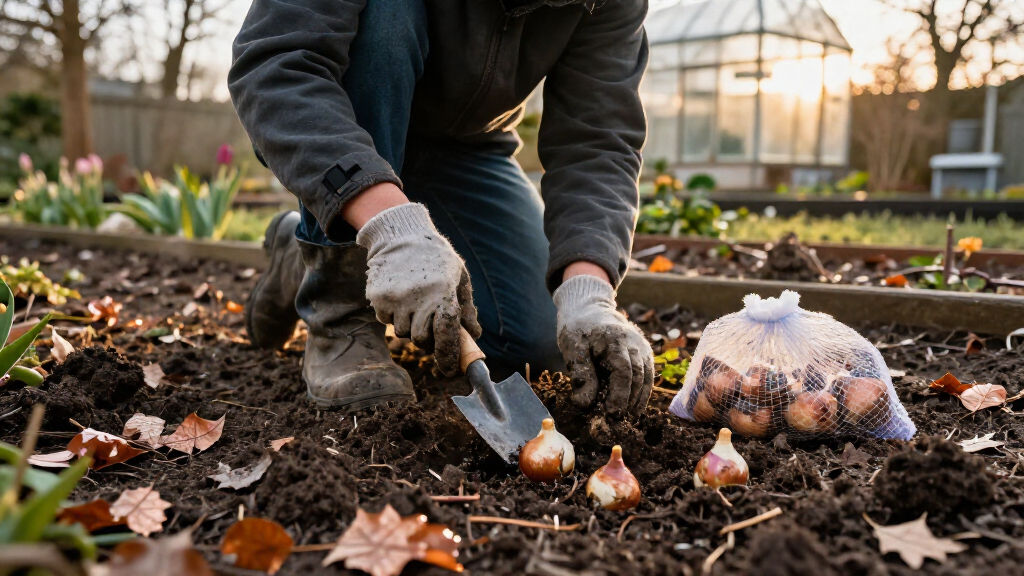
November is not necessarily too late to plant tulips: gardening experts cited by Ideal Home say cooler soil can help bulbs establish before winter and flower in spring. Plant before the ground freezes, avoid waterlogged soil, and remember that results depend on local conditions and the bulbs’ health.
November is not too late to plant tulip bulbs in many UK gardens, according to gardening experts quoted by Ideal Home, who say the cooler soil can support winter dormancy before spring flowering. The practical deadline is not a date on the calendar: bulbs should go into the ground while it remains workable and before it freezes solid.

Get garden gear delivered free with Prime
- Fast, free delivery on millions of items
- Prime Video, Amazon Music and more included
- Member-only deals all year
Chris Bennett, founder of GardeningExpress, told Ideal Home that November is one of the best times to plant tulips. While many spring-flowering bulbs are planted in early autumn, he said tulips benefit from being planted later, once the soil has cooled. The report does not set a single planting date for every region, because soil and weather conditions differ.
Lucie Bradley, a gardening and greenhouse expert at Harvst Automatic Watering, advised waiting until soil temperatures are consistently below 10°C, ideally between 5°C and 10°C. Planting into warmer soil can prompt premature top growth that may be damaged by frost, she said. But gardeners should not wait until hard frost makes digging difficult: Julian Palphramand, head of plants at British Garden Centres, said bulbs need to be planted before the ground freezes.
The experts also warned that tulips dislike wet, heavy soil, which can increase the risk of rotting. Palphramand suggested adding grit to planting holes in clay soil. Richard Barker, horticultural expert and commercial director at LBS Horticulture, said November planting can give bulbs the cold dormancy needed for flowering; he described a chilling period of 12 to 16 weeks in the ground. That period is expert guidance in the report, not a guarantee that every bulb will flower on schedule.
How November Conditions Help Tulips
Planting now can give gardeners who have delayed their autumn work another opportunity to prepare for a spring display. The timing matters because tulips need winter cold before flowering, while bulbs planted in warm soil may begin growing too early. Bradley said cooler conditions can also reduce the activity of Botrytis tulipae, the fungus associated with tulip fire, although the report does not suggest that November planting eliminates the disease risk.
Tulip fire can cause brown, scorched-looking spots, distorted leaves and flower buds that rot before opening, Bradley said. A later planting may also make bulbs less likely to produce tender early shoots that attract slugs and snails, according to the experts. These are potential advantages, not assurances: drainage, local weather, bulb condition and subsequent care all affect results.
For gardeners with bulbs still in storage, the advice offers a reason to act rather than postpone planting until deep winter. Pim Dickson, senior horticulturalist at Fothergill’s, cautioned that bulbs can deteriorate the longer they are kept after purchase. In practical terms, planting in suitable November conditions may be preferable to leaving bulbs boxed until the soil becomes difficult to work.
Popular right now

Samsung 65-Inch Q8F QLED 4K UHD Smart TV (2025)

Dyson V15 Detect Cordless Stick Vacuum

Sony BRAVIA XR8B 65-Inch OLED 4K HDR Smart Google TV (K-65XR8B)
As an affiliate, we earn on qualifying purchases.
The Seasonal Planting Window
The Ideal Home report addresses a common late-autumn question: whether tulips can still be planted after the usual early-autumn period for many bulbs. Its experts distinguish tulips from that broader schedule, saying they often do well when planted after the soil has cooled. The guidance is specifically framed around UK gardening conditions and should not be treated as a universal calendar for every climate.
The report also notes a trade-off. November soil may remain workable, but it can be wet and heavy; later in winter, hard ground can make planting difficult. Cool conditions may reduce premature sprouting and some pest activity, but they do not remove the need to choose a well-drained site. The report includes examples of tulip varieties available to buy, but its central advice is about timing and planting conditions rather than any particular cultivar.
One contributor described leaving tulip bulbs until January the previous year and getting very short flowers. That is an individual gardening experience, not evidence that January planting always produces short tulips. The experts’ general recommendation is to plant before the soil freezes and not to keep purchased bulbs waiting unnecessarily.
“November is actually one of the best times to be planting tulip bulbs.”
— Chris Bennett, founder of GardeningExpress
Weather Sets the Local Deadline
The report does not specify a single last planting date, and it gives no region-by-region soil-temperature readings. Whether November remains suitable depends on local temperatures, drainage and ground conditions. Gardeners also cannot infer from the advice that every bulb planted this month will bloom, or that later planting will necessarily lead to short flowers. The cited experts offer general guidance, not a controlled comparison of planting dates or a forecast for a particular garden.
The article also describes cooler planting conditions as reducing the likelihood of tulip fire and pest damage, rather than preventing them altogether. It does not provide a specific forecast for disease pressure or frost in individual areas.
Plant While Soil Stays Workable
Gardeners with bulbs ready to plant can check whether the soil is cool, reasonably well drained and still possible to dig. If those conditions hold, the experts’ advice is to plant without waiting for a later winter date, taking particular care in heavy clay and planting before the ground freezes. Bulbs that have already been purchased should not be left in storage longer than necessary.
After planting, the outcome will depend on winter weather and the bulbs’ condition. The source report gives no local forecast or further scheduled update, so gardeners should use their own soil and weather conditions rather than treat November as a fixed deadline.
Key Questions
Can I plant tulips in November?
Yes, in many UK gardens. Gardening experts quoted by Ideal Home say November can be a good time, as long as the ground remains workable and has not frozen.
What soil temperature is recommended?
Lucie Bradley advises planting once soil is consistently below 10°C, ideally between 5°C and 10°C. The report does not give local readings, so gardeners need to judge conditions where they live.
Should I wait until the first frost?
The guidance is to plant in cool soil, but not to wait until the ground is frozen solid. Frost can damage early growth, while frozen soil makes planting difficult.
What if my garden has clay soil?
Because tulips dislike wet, heavy soil, Julian Palphramand suggests adding grit to the planting hole in clay soil. The report does not give a precise amount; the aim is to avoid poorly drained conditions.
Will November planting guarantee spring flowers?
No. Experts say November planting can give tulips time for winter dormancy, but the report does not guarantee flowering. Results depend on conditions including the bulbs’ health, drainage and winter weather.
Source: idealhome.co.uk