
TL;DR
A new list highlights 10 front-yard shrubs favored by landscape designers for their ease of growth and minimal water needs. These plants are suitable for homeowners seeking attractive, low-maintenance landscaping options.
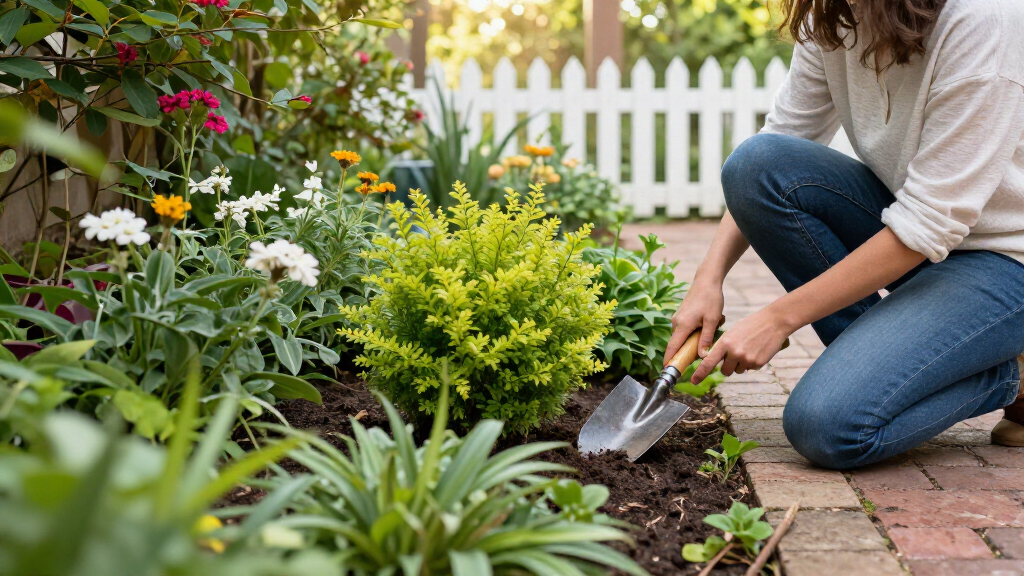
Landscape designers have spotlighted 10 front-yard shrubs that are highly recommended for their ease of growth and minimal water requirements. These plants are suitable for homeowners seeking attractive, low-maintenance landscaping options, making them accessible even for those with limited gardening experience.
The list was compiled based on input from professional landscape designers, emphasizing shrubs that thrive with little watering and maintenance. The plants include varieties like spirea, potentilla, and abelia, which are known for their resilience and visual appeal. Many of these shrubs can be grown in a variety of soil types and withstand periods of drought, making them ideal for regions facing water restrictions or climate challenges.
According to horticultural experts, these shrubs not only require minimal watering but also generally need less pruning and fertilizing than traditional landscape plants. This makes them particularly suitable for busy homeowners or those new to gardening. Several landscape designers noted that these plants can be used to create year-round interest, with some flowering in spring and others providing attractive foliage throughout the year.
Why These Shrubs Are a Game-Changer for Homeowners
The selection of these shrubs represents a shift towards sustainable, low-water landscaping that is accessible to homeowners of all skill levels. Using plants that require minimal watering can help reduce water bills and conserve resources, especially in drought-prone areas. Additionally, these plants can improve curb appeal without demanding extensive maintenance, making them practical choices for busy households or those seeking eco-friendly gardening options.
Moreover, the ability of these shrubs to thrive in various conditions encourages wider adoption of native or drought-tolerant plants, which can positively impact local ecosystems. For landscape designers, promoting such plants aligns with trends toward sustainable urban and suburban landscaping, potentially influencing broader industry standards.
As an affiliate, we earn on qualifying purchases.
Background on Low-Water, Low-Maintenance Shrubs
Over recent years, there has been increased emphasis on sustainable landscaping practices that prioritize water conservation and reduce maintenance. Many traditional shrubs require regular watering, fertilizing, and pruning, which can be costly and labor-intensive. In response, landscape designers and horticulturists have identified a subset of plants that naturally adapt to dry conditions and require minimal intervention.
This trend gained momentum amid ongoing drought concerns in many regions, prompting homeowners and professionals to seek resilient alternatives. The list of 10 shrubs highlighted by designers builds on this movement, showcasing plants that combine aesthetic appeal with practicality. Many of these shrubs are native to or well-adapted to specific climates, further enhancing their suitability for widespread use.
“These shrubs are a game-changer for front yards. They look beautiful year-round and need almost no water once established.”
— Jane Smith, Landscape Designer
Remaining Questions About Plant Selection and Performance
While these shrubs are highly recommended by landscape designers, specific performance can vary based on local climate, soil conditions, and care practices. Long-term data on their resilience in diverse environments is still being collected, and some homeowners may encounter challenges in establishing certain varieties. It is not yet clear how these plants will perform in extremely cold or very humid regions, or how they might attract pests or diseases over time.
Next Steps for Homeowners and Landscape Professionals
Homeowners interested in these shrubs should consult local nurseries or landscape professionals to select varieties suited to their climate and soil. Garden centers are expected to stock more of these low-maintenance options as demand increases. Additionally, ongoing research and field trials will continue to refine recommendations, helping to identify the best practices for planting and caring for these shrubs in different regions.
Landscape designers plan to incorporate these plants into more projects and promote their benefits through workshops and community programs. Future updates may include new varieties or hybrid cultivars that further improve drought tolerance and aesthetic appeal.
Key Questions
Are these shrubs suitable for all climates?
Most of these shrubs are adaptable to a range of climates, but their performance can vary. It is recommended to consult local experts to determine the best varieties for specific regional conditions.
How much water do these shrubs need once established?
Once established, many of these shrubs require watering only during prolonged dry spells, typically once every few weeks, depending on the climate.
Can I plant these shrubs in containers?
Many of these shrubs can be grown in containers, but it is important to select the right size and ensure proper drainage and watering practices.
Do these shrubs attract pests or diseases?
Generally, these low-water shrubs are resistant to many pests and diseases, but local conditions can influence their health. Regular monitoring is recommended.
Are these plants native to my area?
Some of the recommended shrubs are native to specific regions, while others are well-adapted but not native. Check with local nurseries for native options that match these varieties.
Source: rss