
TL;DR

Get garden gear delivered free with Prime
- Fast, free delivery on millions of items
- Prime Video, Amazon Music and more included
- Member-only deals all year
Many plants are marketed as mosquito repellents, but scientific evidence on their effectiveness is limited. Experts say some plants may help slightly, but they are not reliable substitutes for proven repellents. These privacy plants can be part of a comprehensive mosquito control strategy. This article reviews what is confirmed and what remains uncertain.
Current evidence indicates that most plants marketed as mosquito repellents provide limited or no significant protection against mosquitoes in practical outdoor settings. While some homeowners report minor benefits, experts warn that these plants should not replace proven methods of mosquito control.
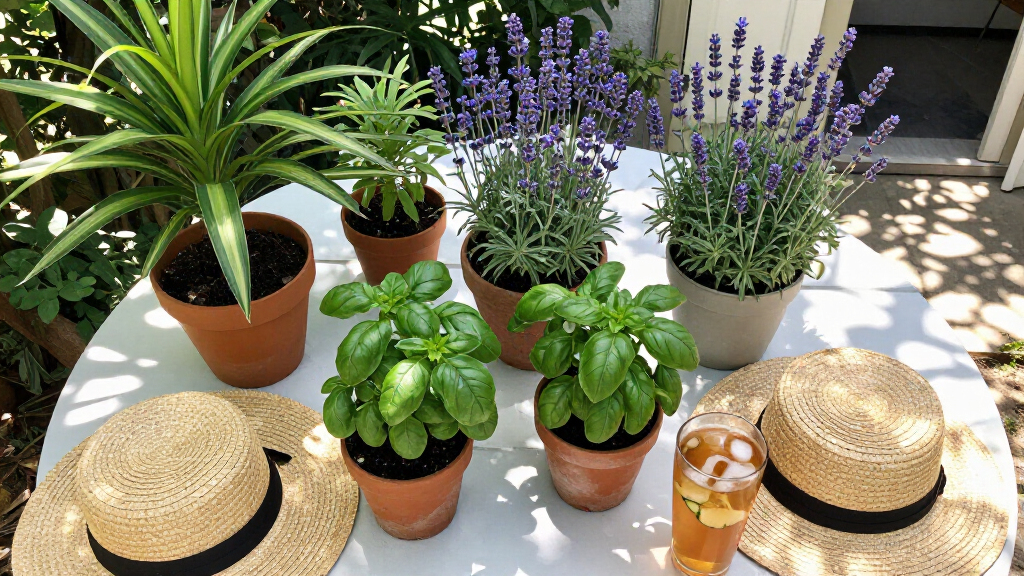
Numerous plants, including citronella, lavender, and basil, are promoted as natural mosquito repellents. Mosquitoes love hiding in these plants during summer heat. However, scientific studies show mixed results regarding their effectiveness. According to entomologists, the volatile oils emitted by these plants can repel mosquitoes in laboratory conditions but often do not provide reliable protection outdoors where mosquitoes are prevalent.
Research from institutions like the University of California and the Centers for Disease Control and Prevention (CDC) suggests that planting these species alone is insufficient to prevent mosquito bites. These fast-growing privacy plants can help create a mosquito-resistant yard. Instead, they recommend combining plantings with other control measures such as insect repellents containing DEET, mosquito nets, and eliminating standing water where mosquitoes breed.
Some homeowners and garden enthusiasts report feeling a slight reduction in mosquito activity near certain plants, but these anecdotal claims lack consistent scientific validation. Experts emphasize that the concentration of mosquito-repelling compounds in plants is usually too low to be effective over larger outdoor areas.
Limited Protection from Mosquito-Repellent Plants: What Homeowners Need to Know
This matters because many people seek natural, chemical-free solutions to reduce mosquito nuisance and disease risk. Understanding the actual efficacy of these plants helps prevent false expectations and encourages the adoption of proven mosquito control methods. Relying solely on plants can lead to increased bites and potential disease transmission, especially in areas with high mosquito populations.
mosquito repellent plants citronella lavender basil
As an affiliate, we earn on qualifying purchases.
As an affiliate, we earn on qualifying purchases.
Scientific Evidence and Popular Claims About Mosquito-Repellent Plants
The idea that certain plants can repel mosquitoes has gained popularity through marketing and social media. Commonly promoted species include citronella, lavender, lemongrass, and basil. While laboratory studies show some potential for these plants to emit mosquito-repelling compounds, real-world effectiveness remains questionable. Experts note that environmental factors, plant maturity, and the concentration of active oils significantly influence any potential repellent effect.
Previous studies, including those published by the CDC and university research teams, indicate that planting these species alone does not significantly reduce mosquito bites in outdoor environments. Instead, integrated mosquito management strategies are recommended for effective control.
In recent years, some companies have marketed products derived from these plants, claiming they are natural repellents. However, regulatory agencies and scientists stress that such products must meet strict testing standards to confirm their efficacy, which many currently do not.
“While some plants emit compounds that can repel mosquitoes in laboratory settings, their effectiveness outdoors at the scale of a backyard is minimal. They should not be relied upon as the sole method of mosquito control.”
— Dr. Lisa Miller, entomologist at the CDC
Unverified Claims and Gaps in Scientific Data on Mosquito Repellent Plants
It remains unclear how much the concentration of mosquito-repelling compounds varies among individual plants and environmental conditions. There is limited data on the long-term effectiveness of these plants in diverse outdoor settings. Additionally, claims made by some commercial products derived from these plants lack rigorous scientific validation, creating uncertainty about their true efficacy.
Ongoing Research and Recommendations for Effective Mosquito Control
Researchers continue to study the potential of various plants and natural compounds for mosquito repellency. Meanwhile, health authorities recommend combining plantings with proven methods like insect repellents containing DEET, mosquito nets, and eliminating standing water. Future studies may clarify the role of plants as part of integrated mosquito management strategies.
Key Questions
Can planting citronella really keep mosquitoes away?
Citronella plants may emit some mosquito-repelling compounds, but evidence shows they are unlikely to provide significant outdoor protection on their own. They are best used as a supplementary measure.
Are natural or plant-based repellents as effective as chemical ones?
Most scientific studies indicate that chemical repellents like DEET are more reliable than plant-based options. Natural remedies may offer some minor benefits but should not replace proven methods for protecting against mosquito bites.
Why do some people still believe in the effectiveness of these plants?
Many homeowners rely on anecdotal experiences and marketing claims, which can create the impression that these plants are highly effective. Scientific evidence, however, suggests their impact is limited in real-world outdoor environments.
What are the best ways to protect myself from mosquitoes?
Using EPA-registered insect repellents, installing mosquito nets, wearing protective clothing, and removing standing water from your property are proven strategies to reduce mosquito bites and disease risk.
Source: rss
Halloween Picks
halloween
As an affiliate, we earn on qualifying purchases.