
TL;DR

Get garden gear delivered free with Prime
- Fast, free delivery on millions of items
- Prime Video, Amazon Music and more included
- Member-only deals all year
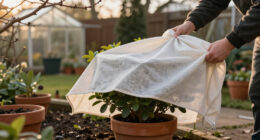
Homes & Gardens reported on Vego Garden’s greenhouse frost cover, a framed cover designed to fit raised beds and protect crops from cold weather, wind and precipitation. The report says it can help gardeners start growing earlier and continue harvesting later, but it does not provide independent temperature-performance tests or product pricing.
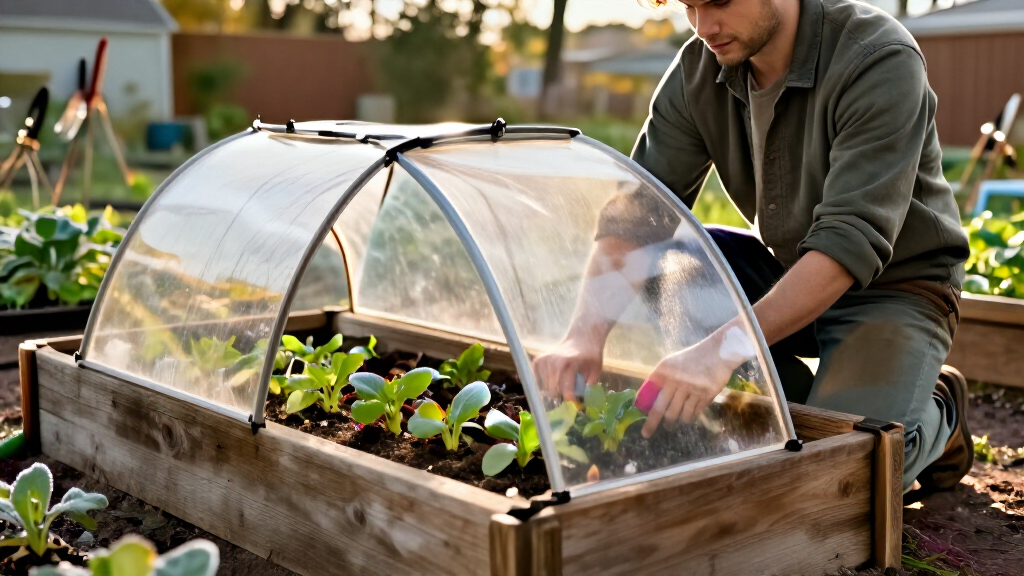
Homes & Gardens has reported on Vego Garden’s greenhouse frost cover, a framed cover designed to protect raised-bed crops and help gardeners grow beyond the usual warm-season window. The product combines a metal frame with a reinforced, UV-protected fabric cover; the report says it can let sunlight through while shielding plants from frost, wind and precipitation.
The cover is made with galvanized magnesium-aluminum steel tubing and a heavy-duty cover described as HDPE with reinforced mesh. The report says the fabric is intended to admit sunlight while helping retain warmth and keeping out water, wind, hail and snow. Straps secure the cover to the frame, while vented windows can be opened to improve airflow and reduce overheating risk in warmer conditions.
According to Homes & Gardens, the frame’s poles connect through fittings and the cover attaches with hook-and-loop straps. The frame bolts to a Vego Garden raised bed. The manufacturer says setup should take under 30 minutes; the article does not describe an independent installation test. It also says the cover can be used to protect crops grown in the ground, though fit and installation may vary.
The report presents the cover as useful at both ends of the season: gardeners may be able to sow earlier in spring and keep harvesting later in the year. Suggested crops for covered fall and winter beds include spinach, arugula, corn salad, winter lettuce, mizuna and bok choy. It also says the greenhouse-style cover can support warmer-season crops such as bush tomatoes and compact peppers, depending on conditions.
More Months for Raised-Bed Crops
Raised beds are often used in smaller gardens, including patios, decks, courtyards and balconies, where growing space is limited. A cover could make that space productive for more of the year by moderating exposure to cold and helping protect crops from weather and pests. For gardeners who usually clear beds when temperatures fall, the practical benefit is the possibility of later harvests and a wider choice of crops.
The cover is not a guarantee that plants will survive every frost or that a bed can produce year-round. Outcomes depend on local temperatures, crop hardiness, sunlight, ventilation and how securely the structure is installed. The report offers product features and gardening guidance, not measured results from controlled trials. Readers should treat the season-extension benefits as the intended use rather than a quantified performance promise.
Ventilation is also relevant to the product’s appeal beyond winter. A sealed cover can trap warmth, but temperatures may rise on sunny days. The report says the Vego cover has windows that open for air circulation, making regular monitoring and adjustment part of using it across changing weather.
As an affiliate, we earn on qualifying purchases.
How the Cover Is Designed
The Homes & Gardens report frames the product as one option for gardeners who want to extend a raised bed’s use, rather than as a new growing method. Its greenhouse-like enclosure is intended to trap some warmth around plants, while its fabric provides a barrier against weather and pests. The article notes that lighter alternatives, such as insect netting over hoops, may suit gardeners who want a pest screen without the same warming effect.
Other options named in the report include nonwoven fabric covers and floating row covers placed over hoops. These products differ in construction and intended use, and the article does not compare their performance directly with Vego Garden’s framed model. The central distinction is that the Vego product has a rigid, bolted frame and vented cover, while simpler covers may require separate hoops or rely on drawstrings to stay in place.
The report’s crop examples focus on cool-season vegetables that can tolerate lower temperatures, including leafy greens, and compact warm-season crops under cover. A cover changes the conditions around plants; it does not remove the need to choose crops suited to the season or to check local frost forecasts.
“The manufacturer claims it should take under 30 minutes to set up.”
— Vego Garden, as described in the Homes & Gardens report
Performance Depends on Conditions
The source does not provide a publication date, retail price, availability information or independent test results for the Vego cover. It also does not specify how many degrees warmer the covered bed may become, the frost temperatures it can withstand, or whether the listed weather protection applies equally across all conditions. Those performance details remain unverified in the material provided.
Compatibility is another open point. The report says the frame bolts to a Vego Garden raised bed and can also be used to protect crops in the ground, but it gives no dimensions or instructions for adapting it to other bed brands and layouts. Gardeners should check product specifications and fitting requirements before purchase. The article also does not provide evidence that the cover will prevent every pest or protect plants during severe winter weather.
Check Fit Before Buying
Readers considering the cover will need to consult Vego Garden’s current product listing for dimensions, bed compatibility, price, availability and installation guidance; those details are not included in the supplied report. They should also match crops to their local climate, monitor temperatures beneath the cover and open the vents when needed to limit excess heat and improve airflow.
For gardeners who do not need a greenhouse-style warming effect, the alternatives mentioned by Homes & Gardens—such as insect netting or floating row covers used with hoops—may be worth comparing. The report does not rank those options or establish which will perform best. Any decision will depend on the raised bed’s dimensions, the local weather and whether the main need is frost protection, pest exclusion or both.
Key Questions
What is the Vego Garden greenhouse frost cover?
It is a raised-bed cover with a metal frame and reinforced fabric. Homes & Gardens says the fabric is designed to let sunlight through while helping retain warmth and blocking wind and precipitation.
Can the cover keep vegetables growing through winter?
The report says the cover may help gardeners continue harvesting cold-tolerant crops, including winter lettuce and spinach, after temperatures drop. It does not provide test data or a temperature rating, so winter results will depend on local conditions and crop hardiness.
Does the cover fit every raised bed?
The report says the frame bolts to a Vego Garden raised bed and may also be used over crops in the ground. It does not specify compatibility with other brands or give measurements, so buyers should check the product’s current dimensions and fitting instructions.
How long does installation take?
The manufacturer, as quoted in the Homes & Gardens report, says setup should take under 30 minutes. That estimate has not been independently verified in the source material.
What should gardeners grow under a frost cover?
The report names cool-season crops such as spinach, arugula, corn salad, winter lettuce, mizuna and bok choy. It also says the cover may support bush tomatoes and compact peppers, but suitability depends on temperature, light and ventilation.
Source: rss
Fall yard work Picks
leaf blowers
As an affiliate, we earn on qualifying purchases.