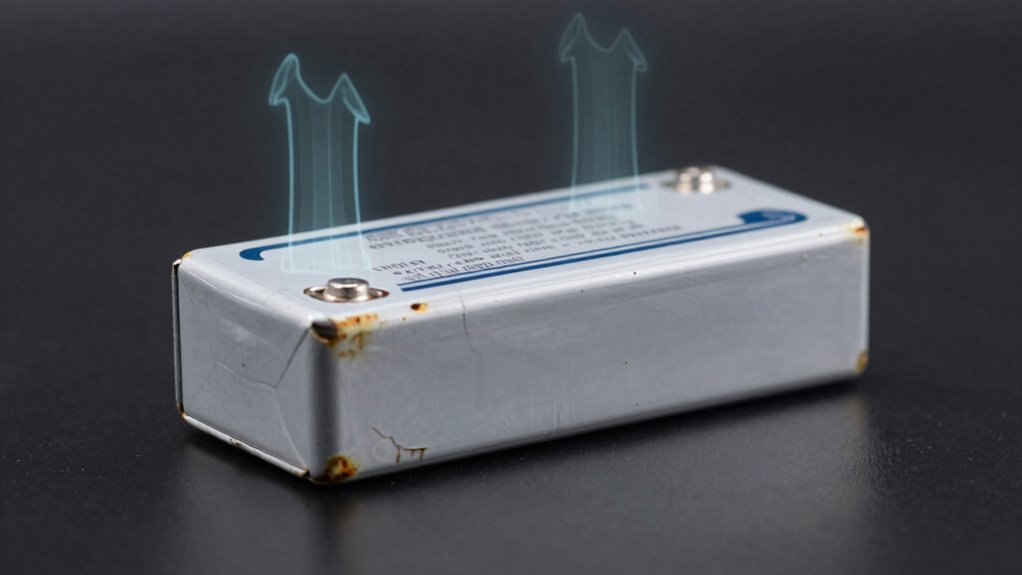

Battery efficiency losses mean your backup system won’t last as long as expected during power outages. As batteries age, undergo frequent charging cycles, or operate in extreme temperatures, their capacity declines, reducing available energy. This can result in shorter backup times and less reliability when you need it most. Understanding these factors helps you set realistic expectations and plan better for replacements or upgrades. If you want to learn how to maximize your battery’s performance, keep going.

Get garden gear delivered free — and shop member deals
- Fast, free delivery on millions of items
- Access to Prime Big Deal Days deals on October 6–7
- Prime Video, Amazon Music and more included
Key Takeaways
- Capacity fade from repeated cycles reduces available backup runtime during outages.
- Temperature fluctuations accelerate degradation, impacting battery performance and reliability.
- Aging and environmental factors cause unpredictable decreases in stored energy capacity.
- Regular maintenance and proper conditions help maintain backup effectiveness over time.
- Understanding efficiency losses enables realistic planning and expectations for backup system performance.

Battery efficiency losses can substantially impact your backup power reliability, especially during extended outages. When you rely on batteries to keep your essential systems running, understanding how efficiency diminishes over time is vital. One key factor influencing this is the number of charging cycles your battery undergoes. Every time you charge and discharge your battery, it experiences a small amount of wear, gradually reducing its overall capacity. Over many cycles, this leads to a decrease in the amount of stored energy available when you need it most. If you expect your backup system to last through multiple outages, you need to account for this capacity fade, as it means your battery might not provide the same runtime as when it was new.
Battery capacity decreases over time due to charging cycles, reducing backup runtime during outages.
Temperature effects play a significant role in how effectively your battery delivers power. Batteries perform best within specific temperature ranges, typically moderate environments. When temperatures drop too low, chemical reactions slow down, causing the battery to produce less power and reducing its effective capacity. Conversely, excessive heat can accelerate degradation, damaging internal components and further decreasing efficiency. If your backup system isn’t stored in a temperature-controlled environment, these effects can cause unpredictable performance and shorten your battery’s lifespan. Maintaining an ideal temperature minimizes these efficiency losses, Temperature management, and preserving battery health and performance. Proper thermal regulation can significantly extend the overall lifespan of your batteries.
As your battery ages, the combined impact of charging cycles and temperature effects becomes more pronounced. You might find that, despite a full charge, your battery’s runtime shortens or that it struggles to hold a charge altogether. This decline isn’t always obvious at first, but it can catch you off guard during critical moments, like prolonged power outages. Regular maintenance, such as monitoring charge levels and keeping your system in a suitable environment, helps mitigate these losses. You can also consider upgrading to batteries with higher cycle life or thermal management features that reduce temperature-related degradation. Being aware of battery lifespan and its influencing factors can help you plan replacements more effectively.
Ultimately, your backup expectations hinge on understanding these efficiency losses. No battery remains perfectly efficient forever, but being proactive about managing charging cycles and temperature conditions can extend its useful life and improve reliability. By recognizing how these factors influence capacity and performance, you’re better prepared to plan for outages and ensure your backup system performs when it counts most. Keeping these considerations in mind allows you to set realistic expectations and avoid surprises when your backup power is most needed.
deep cycle batteries for backup power
As an affiliate, we earn on qualifying purchases.
As an affiliate, we earn on qualifying purchases.
Frequently Asked Questions
How Do Temperature Changes Impact Battery Efficiency?
Temperature fluctuations considerably impact your battery’s efficiency. When temperatures rise or fall, it can cause the battery to lose capacity and reduce performance. Proper thermal management is essential to keep your battery within ideal temperature ranges, ensuring better efficiency and longer lifespan. By controlling temperature fluctuations, you prevent unnecessary efficiency losses, so your backup system remains reliable when you need it most.
Can Regular Maintenance Improve Battery Backup Performance?
Sure, regular maintenance can surprisingly boost your battery backup performance—who knew? It helps extend battery lifespan and keeps efficiency losses in check. Maintenance strategies like checking connections, cleaning terminals, and monitoring voltage prevent issues before they escalate. So, by investing a little time in routine upkeep, you guarantee your backup system works reliably when you need it most, defying the inevitable decline that neglect often invites.
What Are the Signs of Declining Battery Efficiency?
You’ll notice your battery’s efficiency declines when it doesn’t hold a full charge as long as it used to or drains quickly. If your battery’s lifespan shortens or it reaches fewer charge cycles before performance drops, these are clear signs. You might also see increased heat during charging or discharging. Regularly tracking these signs helps you anticipate replacements, ensuring your backup system remains reliable and effective.
How Long Do Batteries Typically Retain Optimal Efficiency?
Battery lifespan largely depends on usage and maintenance, but generally, batteries retain ideal efficiency for about 3 to 5 years. During this period, efficiency degradation is minimal, ensuring dependable backup power. Afterward, performance gradually diminishes, leading to shorter backup times. To maximize longevity, you should regularly monitor your battery’s health, manage charge cycles carefully, and avoid extreme temperatures. Proper upkeep prolongs the period of peak performance, preventing premature efficiency decline.
Do Different Battery Brands Have Varying Efficiency Loss Rates?
Yes, different battery brands exhibit varying efficiency loss rates. In brand comparisons, you’ll notice efficiency variability based on manufacturing quality and technology. Some brands maintain higher efficiency over time, offering better backup performance, while others may experience quicker losses. When choosing a battery, consider brand reputation and user reviews to understand how efficiently it retains capacity, ensuring you get reliable backup power when needed most.
Conclusion
Just like Icarus soared too close to the sun, expecting perfect backup without accounting for efficiency losses can lead to disappointment. Remember, batteries aren’t invincible; their efficiency diminishes over time and with use. By understanding these losses, you set more realistic backup expectations, avoiding surprises when you need power most. Keep your expectations grounded, and you’ll be better prepared to navigate the inevitable ebbs and flows of your energy needs.
Fall Picks
fall essentials
As an affiliate, we earn on qualifying purchases.