
TL;DR
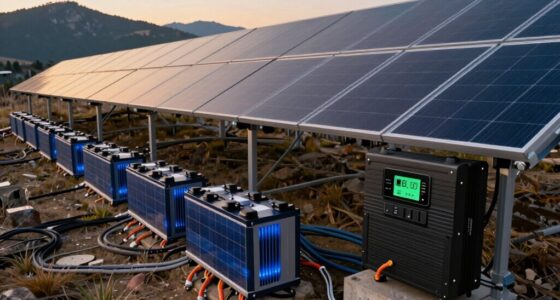
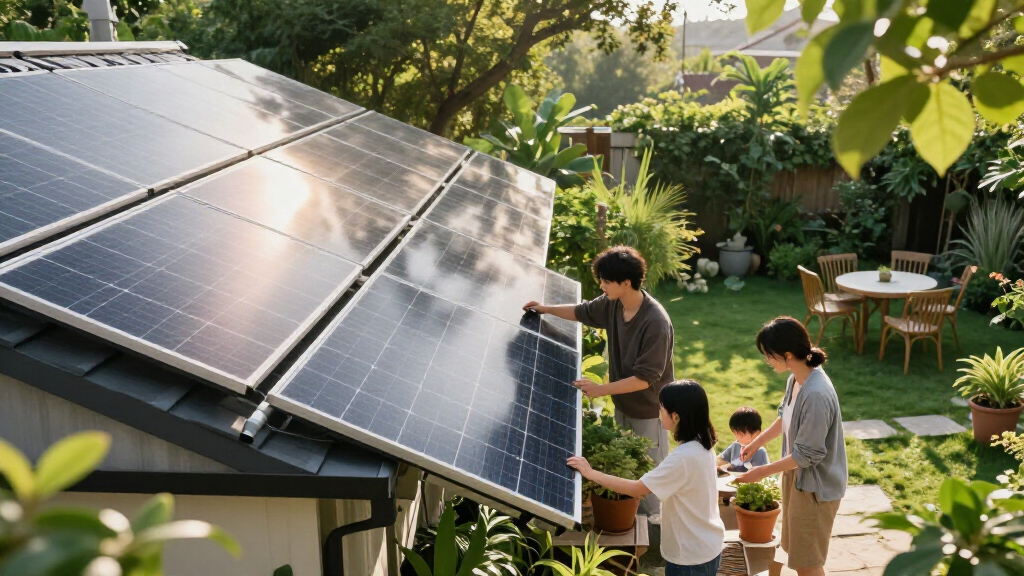
The Delhi government announced plans to distribute free solar panels to 2.3 lakh households with monthly consumption up to 400 units. This initiative aims to promote renewable energy and reduce electricity bills for residents. The program details are still emerging, and official timelines are yet to be confirmed.
The Delhi government has announced a plan to distribute free solar panels to approximately 2.3 lakh households across the city, targeting residents whose monthly electricity consumption does not exceed 400 units. This initiative aims to promote renewable energy use, reduce reliance on conventional power sources, and lower electricity bills for participating households. The program, still in the planning stage, is expected to roll out in the coming months, with official details to be confirmed.
According to Delhi government officials, the program will provide free solar panels to eligible households, with the goal of encouraging adoption of solar energy and decreasing the burden of electricity costs. The initiative is part of broader efforts to increase renewable energy capacity within the city and meet sustainability targets set by local authorities.
While specific timelines and implementation procedures are yet to be officially announced, sources suggest the program will prioritize low-income and middle-income households, particularly those with limited access to reliable power supply. The government has indicated that households using up to 400 units of electricity per month will be eligible, aiming to target residential consumers with moderate energy needs.
Officials have emphasized that the solar panels will be installed at no cost to the recipients, and the program may include additional support such as maintenance and monitoring. The initiative is expected to be funded through a combination of government budgets and potential environmental grants or incentives.
Impact on Household Energy Costs and Renewable Adoption
This initiative could significantly reduce electricity bills for millions of Delhi residents, especially those with moderate energy consumption. By providing free solar panels, the government aims to accelerate the adoption of renewable energy, contributing to the city’s climate goals and reducing dependence on fossil fuels. The program also aligns with India’s national push toward increasing renewable energy capacity and reducing carbon emissions.
Furthermore, the initiative could serve as a model for other urban centers seeking to promote sustainable living and energy independence. If successful, it may lead to broader policies encouraging rooftop solar installations and community-based renewable projects across India.
As an affiliate, we earn on qualifying purchases.
Delhi’s Renewable Energy Goals and Past Initiatives
Delhi has been actively pursuing renewable energy projects to meet its climate commitments and reduce air pollution caused by traditional power sources. Previous efforts include solar parks, rooftop solar schemes, and incentives for solar installation in government buildings and commercial sectors.
The city’s current energy demand is approximately 8,000 MW, with a growing share of power generated from renewable sources. The government’s target is to increase renewable capacity to 25% of total energy consumption by 2025, with ongoing policies to incentivize solar and other clean energy technologies.
This latest announcement aligns with these broader objectives, aiming to make solar energy more accessible for residential consumers and foster a culture of sustainability among city residents.
Details on Implementation Timeline and Funding Sources
Official details regarding the exact timeline for distribution, the selection process for households, and the total funding allocated for the program have not yet been announced. It remains unclear how the government will identify eligible households, whether the program will include additional benefits like maintenance, and how long the rollout will take.
Furthermore, the precise funding sources—whether from state budgets, central government support, or environmental grants—are still to be clarified. The scope and scale of the initiative will depend heavily on these logistical and financial factors.
Expected Details and Next Steps in Program Rollout
The Delhi government is expected to release detailed guidelines and timelines in the coming weeks. Officials may conduct surveys or assessments to identify eligible households and plan the installation process. The program could be launched in phases, starting with select districts or income groups.
Stakeholders, including local NGOs and renewable energy companies, are likely to be involved in the implementation. The government may also seek additional funding or partnerships to expand the program’s reach and impact.
Monitoring and evaluation mechanisms will be established to assess the program’s effectiveness in increasing solar adoption and reducing household electricity costs.
Key Questions
Who will be eligible for the free solar panel program?
Households in Delhi that consume up to 400 units of electricity per month are expected to be eligible, with priority likely given to low- and middle-income families.
When will the program be launched?
Official launch dates have not yet been announced, but the government indicated the rollout could begin within the next few months.
Will recipients need to pay for maintenance or additional costs?
The government has stated that the solar panels will be provided at no cost, and details on maintenance support are still to be clarified.
How will the government fund this initiative?
The exact funding sources are yet to be confirmed, but it is expected to include government budgets and potential environmental grants.
Could this program be expanded to other sectors or income groups?
While initial focus appears to be on moderate consumption households, successful implementation might lead to broader expansion in the future.
Source: local