TL;DR
A home cook has started making rose salt from petals she grows in her garden. She uses this homemade ingredient as a secret addition to her baking, notably in brownies. This trend is gaining attention online, though details about the process remain unconfirmed.
A home cook has begun making rose salt from petals she cultivates in her own garden, which she then incorporates as a secret ingredient into her baked goods, particularly brownies. This practice has attracted online interest, though the exact process remains unconfirmed.
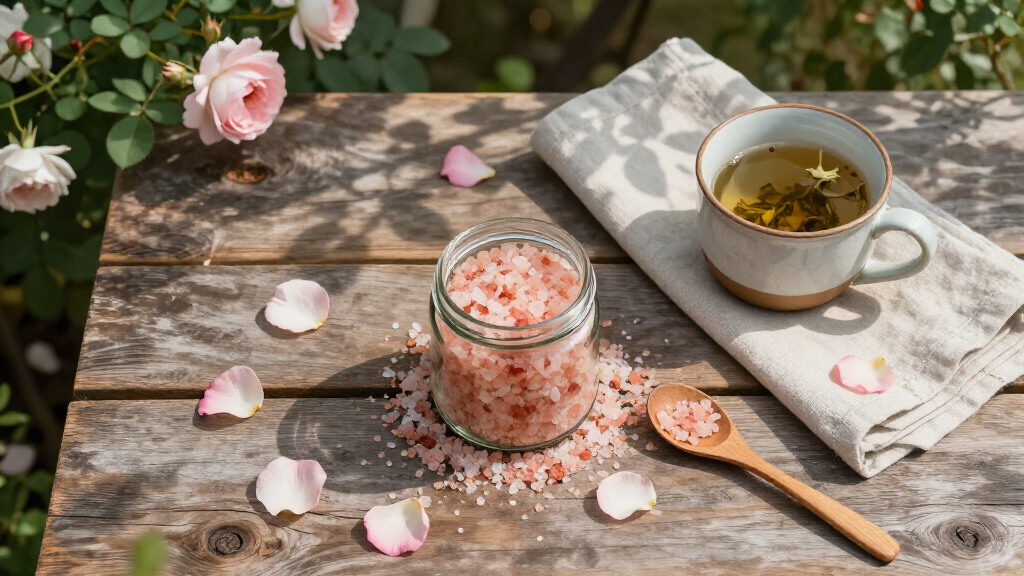
The cook, who has not been named, claims to harvest fresh rose petals from her garden and process them into a flavored salt. She describes the process as involving drying the petals, then grinding them into a fine powder before mixing with sea salt. She reports that this homemade rose salt enhances the flavor of her baked goods, especially her brownies, giving them a distinctive floral note. The trend appears to be spreading on social media, with some food enthusiasts experimenting with similar DIY flavoring techniques.
However, it is important to note that there is no publicly available, verified method for making rose salt at home, and the process described by the cook has not been independently confirmed by experts. The interest seems to be driven by a broader trend of DIY culinary innovations and the appeal of using garden-grown ingredients in cooking. The practice is presented as a personal secret, and no commercial products claiming to be homemade rose salt from garden petals are currently verified or available in stores.
Potential Impact of Garden-Grown Rose Salt in Home Baking
This trend highlights a growing interest among home cooks in creating personalized, natural ingredients for baking and cooking. If validated, making rose salt from garden petals could offer a unique flavor enhancer that adds floral notes to baked goods and other dishes. It also reflects a broader movement toward self-sufficient, sustainable culinary practices, where gardeners and food enthusiasts seek to incorporate homegrown ingredients into their recipes. However, without verified methods or scientific validation, the actual impact and safety of such homemade salts remain uncertain.
As an affiliate, we earn on qualifying purchases.
Rising Interest in DIY Culinary Ingredients
Over recent years, there has been a surge in interest in homemade and natural food ingredients, driven by trends in sustainability, health, and culinary experimentation. Social media platforms have amplified this movement, with many users sharing their own recipes for infusions, salts, and flavorings made from garden herbs, flowers, and other plants. The specific trend of making rose salt from garden-grown petals appears to be a recent development, with search interest and online mentions spiking in the past few weeks. The origin of this particular practice is unclear, but it aligns with broader DIY food trends that emphasize personalization and natural ingredients.
Unverified Methods and Safety Concerns
Details about the process of making rose salt from garden petals are not independently confirmed, and the safety of homemade floral salts has not been scientifically evaluated. It is unclear whether the process effectively preserves the petals or if any contaminants could pose health risks. Additionally, the authenticity of the claims and whether this practice can be reliably replicated remain uncertain. Experts warn that improper preparation could lead to microbial growth or ingestion of pesticides if not properly handled.
Monitoring DIY Culinary Trends and Validation Efforts
Further investigation into the process of making rose salt at home may emerge as more people experiment and share their methods online. Food safety experts and culinary professionals may also begin to evaluate the safety and efficacy of such DIY ingredients. Consumers are advised to exercise caution and ensure any homemade flavorings are prepared with food-safe practices. The trend could either grow as a niche craft or fade if safety concerns outweigh the appeal of natural, garden-grown ingredients.
Key Questions
Is making rose salt from garden petals safe?
There are no scientific studies confirming the safety of homemade rose salt made from garden petals. It is important to use edible, pesticide-free petals and follow proper drying and grinding procedures to minimize risks.
How do you make rose salt at home?
According to the home cook, the process involves harvesting fresh rose petals, drying them thoroughly, then grinding into a powder and mixing with sea salt. Exact proportions and techniques are not verified.
Can I buy rose salt commercially?
Currently, there are no verified commercial products labeled as homemade rose salt from garden petals. Some specialty stores sell floral salts, but their ingredients and preparation methods vary.
What are the benefits of using rose salt in baking?
Proponents claim it adds a floral aroma and flavor that can enhance baked goods like brownies, cakes, and cookies. However, scientific evidence supporting specific benefits is lacking.
Will homemade rose salt taste the same as store-bought floral salts?
Flavor can vary widely depending on the type of roses used, drying methods, and salt quality. Homemade versions may have a more intense or different floral note than commercial products.
Source: rss