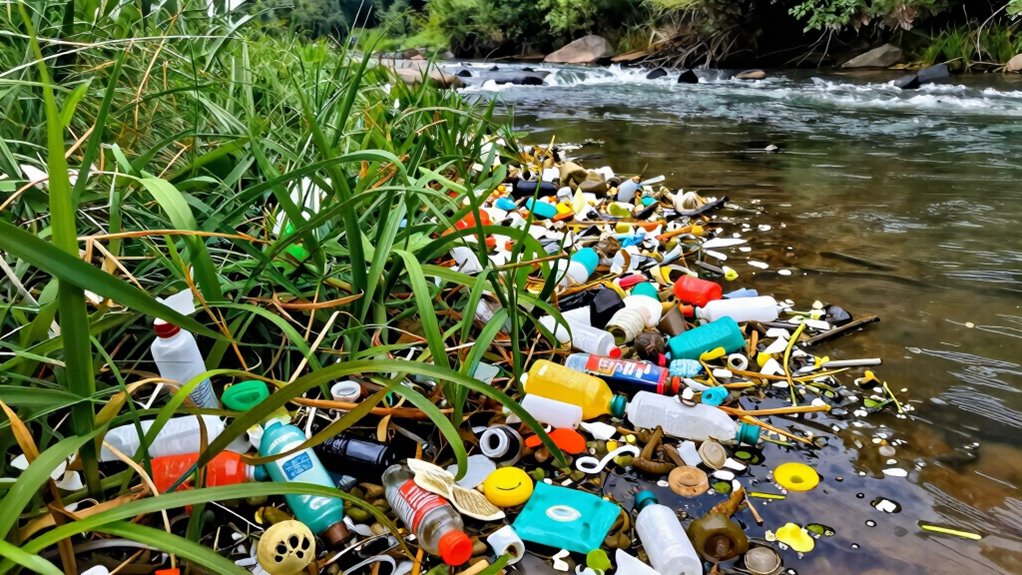
You’ll find that upstream plastic policies are more effective because they tackle the root causes of pollution by regulating manufacturing and encouraging recycling incentives. These proactive strategies reduce plastic production, promote eco-friendly packaging, and prevent waste before it even reaches the environment. Downstream efforts, like cleanups, only address the symptoms and are costly and labor-intensive. For a deeper understanding of how upstream solutions create lasting change, keep exploring ways to shift focus earlier in the plastic lifecycle.
Open a free Amazon Business account
Business pricing, bulk buying and tax-exempt orders.
As an affiliate, we earn on qualifying purchases.
Key Takeaways
- Upstream policies address the root causes of plastic pollution by regulating manufacturing and incentivizing recycling, leading to sustainable reduction.
- They prevent plastic waste generation at the source, reducing downstream cleanup costs and efforts.
- Upstream approaches promote systemic change, shifting focus from reactive cleanup to proactive prevention.
- Education and community engagement amplify upstream policies, fostering behavioral shifts toward eco-friendly practices.
- Combining upstream measures creates a resilient system that enhances environmental, economic, and social outcomes more effectively.
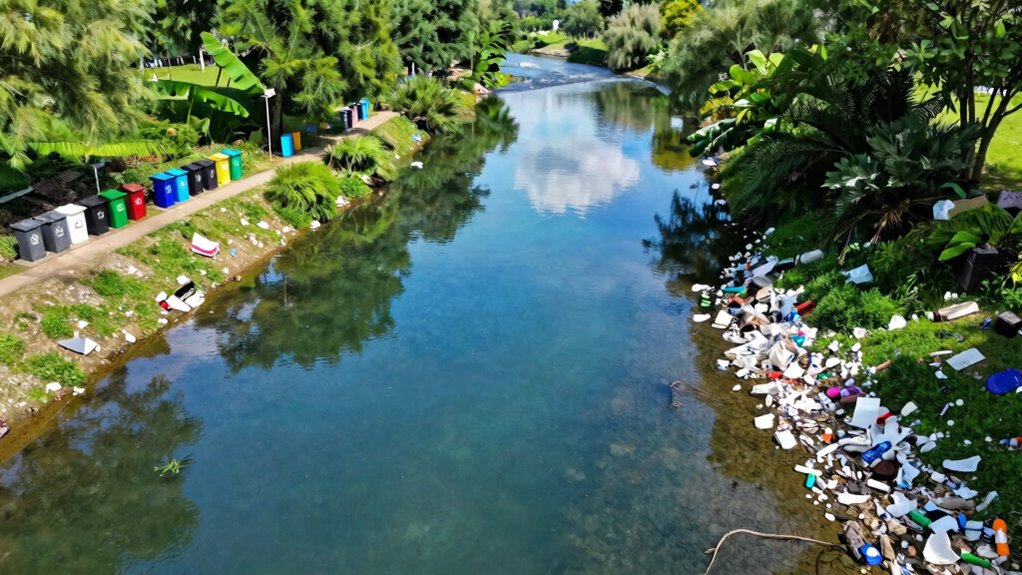
Have you ever wondered whether tackling plastic pollution is more effective by addressing its origins or dealing with its aftermath? The answer becomes clearer when you focus on upstream strategies. Tackling the problem at the source—by implementing manufacturing regulations and promoting recycling incentives—can lead to more sustainable results than simply cleaning up the mess downstream. When manufacturers are required to produce less plastic or design packaging that’s easier to recycle, you’re addressing the root of the problem. These regulations prevent excessive plastic from entering the environment in the first place, reducing waste before it ever reaches landfills or oceans. Encouraging recycling incentives further supports this approach by motivating companies and consumers to prioritize recyclable materials, creating a cycle that minimizes discarded plastic. When incentives are aligned with sustainable practices, manufacturers find it more profitable to develop eco-friendly packaging, and consumers are more likely to participate in recycling efforts. This proactive approach curtails the volume of plastic waste generated, easing the burden on waste management systems and reducing the likelihood of plastic pollution spreading into ecosystems. Additionally, promoting awareness and education about sustainable consumption can empower individuals to make more environmentally conscious choices, amplifying the impact of upstream policies. Public engagement programs can also play a vital role in fostering a community-driven commitment to sustainability. Investing in public awareness campaigns can also enhance community engagement and foster a culture of sustainability. Moreover, integrating behavioral change strategies can accelerate adoption of eco-friendly habits among consumers and industries alike. Incorporating sustainable manufacturing practices into industry standards can further support this shift towards environmental responsibility.
Downstream solutions, like cleanup efforts and waste management, are undeniably necessary, but they’re only part of the puzzle. Cleaning up after plastic pollution is often costly, labor-intensive, and only addresses symptoms rather than causes. No matter how many beaches or waterways you clean, the underlying production and consumption patterns remain unchanged if you don’t regulate manufacturing practices or incentivize recycling. Without upstream measures, new plastic waste continues to be produced and discarded recklessly. In contrast, upstream policies target the source of the problem, making it easier to prevent pollution altogether. When manufacturers are held accountable through regulations, and recycling incentives are integrated into economic systems, you create a cycle of reduction that’s more sustainable in the long run. It’s about shifting the focus from reactive cleanup to proactive prevention, which yields better environmental, economic, and social outcomes.
Ultimately, addressing plastic pollution effectively requires a balanced approach, but upstream measures hold the key to lasting change. By tightening manufacturing regulations and fostering recycling incentives, you’re tackling the core issues head-on. This strategy not only reduces the volume of plastic waste produced but also encourages a cultural shift toward sustainability. When upstream policies are in place, downstream efforts become more manageable and more effective, making the entire system more resilient. So, rather than continuously battling the aftermath, you’re better served by changing the production and consumption patterns from the outset. That’s how real progress is made in combating plastic pollution.
eco-friendly reusable shopping bags
As an affiliate, we earn on qualifying purchases.
As an affiliate, we earn on qualifying purchases.
Frequently Asked Questions
How Do Upstream Policies Impact Consumer Behavior Long-Term?
Upstream policies boost consumer awareness early, leading to long-term behavioral change. When policies target manufacturers and product design, you become more conscious of plastic use and waste. This awareness encourages you to choose sustainable options and reduce plastic consumption. Over time, these policies shape your habits, making eco-friendly choices automatic. Ultimately, upstream policies create a lasting impact on your behavior by fostering a culture of responsibility and sustainability.
What Are the Economic Benefits of Upstream Plastic Policies?
Upstream plastic policies boost economic benefits by promoting recycling innovation and reducing costs. You’ll see lower waste management expenses as fewer plastics reach landfills, and innovative recycling methods create new market opportunities. These policies encourage companies to invest in sustainable materials, which cuts production costs over time. Ultimately, this shift helps you and the economy save money, while fostering a greener environment through smarter, more efficient waste management and material use.
How Can Businesses Support Upstream Plastic Reduction Initiatives?
You can support upstream plastic reduction by actively engaging in product redesign and optimizing your supply chain. It’s a win-win situation—by redesigning products with less plastic and sourcing sustainable materials, you’ll cut costs and waste. Collaborate with suppliers to implement eco-friendly practices, ensuring your supply chain aligns with reduction goals. Taking these steps shows your commitment to sustainability and helps influence industry standards, making a real difference from the ground up.
Are There Successful Case Studies of Upstream Plastic Policies?
Yes, there are successful case studies of upstream plastic policies. For instance, some companies implement recycling incentives that encourage consumers to return packaging, reducing waste. Additionally, policies focused on waste reduction at the source, like designing products with less plastic or using alternative materials, have proven effective. These initiatives prevent plastic from entering the environment and foster sustainable practices, demonstrating that upstream strategies are more impactful than downstream solutions.
What Challenges Exist in Implementing Upstream Plastic Policies Globally?
You face challenges like varying manufacturing regulations across countries, making uniform policies tough to enforce. Waste management infrastructure differs globally, limiting effective upstream waste reduction. Additionally, industries may resist stricter regulations due to cost concerns, and political will varies, hindering implementation. Overcoming these hurdles requires international cooperation, investment in waste management systems, and harmonizing manufacturing standards to guarantee effective upstream plastic policies worldwide.
Conclusion
So, next time you consider tackling plastic pollution, ask yourself: why wait until the mess is everywhere when you can prevent it at the source? Upstream policies, like reducing plastic production and redesigning packaging, target the problem early, making a bigger impact. Isn’t it smarter to stop plastic waste before it even begins? By focusing on upstream solutions, you’re not just cleaning up the mess—you’re stopping it from happening in the first place.
Fall yard work Picks
leaf blowers
As an affiliate, we earn on qualifying purchases.