
TL;DR

Get garden gear delivered free — and shop member deals
- Fast, free delivery on millions of items
- Access to Prime Big Deal Days deals on October 6–7
- Prime Video, Amazon Music and more included
Interest in smart water management for gardening is surging, driven by new technologies that optimize water use. While adoption is increasing, specific implementations and full impacts are still emerging, highlighting the importance of choosing the right smart water management systems.
Growing interest in smart water management systems is significantly changing how gardeners and landscapers care for plants, with early adopters reporting increased efficiency and water savings. This trend reflects a broader shift toward integrating technology into sustainable gardening practices, though widespread adoption is still developing.
Recent coverage indicates that a rising number of homeowners and professional landscapers are turning to automated irrigation controls, soil moisture sensors, and data-driven watering schedules to optimize water use. These systems can adjust watering based on real-time environmental data, reducing waste and improving plant health. While specific product adoption figures are not yet publicly available, industry experts note a sharp increase in searches and interest related to smart watering solutions, suggesting a growing market.
Many early implementations report positive outcomes, such as a 20-30% reduction in water consumption and healthier plant growth, especially when integrated with smart sprinkler valves with flow meters. However, the technology remains relatively new, and comprehensive studies on long-term impacts and cost-benefit analyses are still underway. Experts caution that effectiveness may vary depending on system design, climate, and user engagement.
Why Smart Water Management Matters for Gardens
This trend matters because it represents a shift toward more sustainable, efficient gardening practices. As water resources become increasingly strained due to climate change and urbanization, smart water management can help conserve vital resources while maintaining healthy landscapes. For homeowners, this technology offers potential cost savings and reduced water bills. For the environment, widespread adoption could mean less runoff, lower water consumption, and better resilience against drought conditions.
Furthermore, the integration of technology into gardening aligns with broader trends in smart home and IoT (Internet of Things) adoption, making sustainable practices more accessible and user-friendly. If the trend continues to grow, it could influence industry standards and encourage further innovation in environmental management within horticulture.
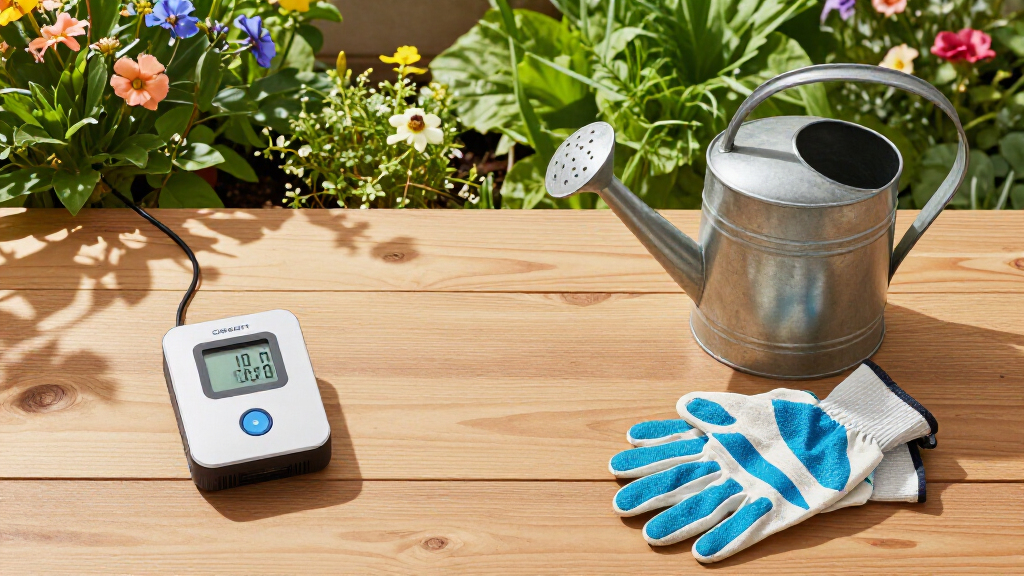
smart irrigation controller with soil moisture sensors
As an affiliate, we earn on qualifying purchases.
As an affiliate, we earn on qualifying purchases.
Emergence of Technology-Driven Gardening Practices
Interest in smart gardening tools has been rising over the past few years, driven by advances in sensor technology, IoT connectivity, and data analytics. Although specific market data on smart water systems is limited, industry reports indicate a spike in search interest and media coverage, especially in 2024. The trend appears to be part of a larger movement toward sustainable and tech-enabled gardening, with early adopters experimenting with automated irrigation and soil monitoring devices.
Historically, water management in gardening relied heavily on manual scheduling and intuition, often leading to over- or under-watering. The recent focus on smart solutions reflects a desire to optimize resource use, reduce waste, and improve plant health, especially amid increasing water scarcity concerns globally. While some companies have launched new products in this space, the full scope and impact of these innovations are still unfolding.
Unconfirmed Details About Widespread Adoption
It is not yet clear how quickly and broadly smart water management systems will be adopted across different regions and types of gardens. Specific data on market penetration, cost barriers, and user satisfaction are still emerging. Additionally, the long-term environmental impacts and potential limitations of these systems remain to be thoroughly studied.
Future Developments and Industry Trends
Expect ongoing innovation in smart irrigation technology, with more user-friendly and affordable options entering the market. Industry experts anticipate increased adoption as awareness grows and technology improves. Further research and real-world case studies are likely to provide clearer insights into long-term benefits, challenges, and best practices. Policymakers and environmental groups may also begin promoting these solutions as part of broader sustainability initiatives.
Key Questions
What types of smart water management systems are available for gardeners?
Available systems include soil moisture sensors, automated irrigation controllers, weather-based watering systems, and data analytics platforms that optimize watering schedules based on environmental data.
How much can these systems save water?
Early adopters report water savings of approximately 20-30%, though results vary depending on system design, climate, and user engagement.
Are smart water systems affordable for average homeowners?
Prices range from affordable DIY kits to more advanced professional systems. Costs are decreasing as technology advances, making them increasingly accessible.
What are the environmental benefits of using smart water management?
These systems can reduce water waste, lower runoff pollution, and help conserve water resources, especially in drought-prone areas.
Is there scientific evidence supporting the effectiveness of these systems?
Some early studies and user reports indicate positive outcomes, but comprehensive, long-term research is still in progress to confirm widespread effectiveness.
Source: rss
Fall yard work Picks
leaf blowers
As an affiliate, we earn on qualifying purchases.