
TL;DR

Get garden gear delivered free with Prime
- Fast, free delivery on millions of items
- Prime Video, Amazon Music and more included
- Member-only deals all year
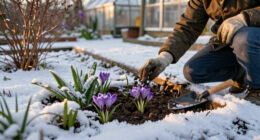
Milkweed usually dies back in winter and regrows from its roots in spring, so plants suited to the local climate need little winter care. Gardeners in colder areas or growing less-hardy species can add a few inches of mulch; pruning can wait until fall or early spring, after seed pods have dispersed.
A Gardener’s Path report says most milkweed plants need little winter care when the species is suited to the local climate: the plants die back, then can regrow from underground roots in spring. For gardeners in colder regions or growing a less-hardy variety, the report recommends adding a few inches of wood chips or straw mulch to protect the root system.
Milkweed belongs to the Asclepias genus, which includes more than 100 species native to the United States and Canada, according to the report. The plants flower in summer, produce seed in fall and die back in winter. Their above-ground stems may be cut to the ground with clean pruners either in fall or in early spring.
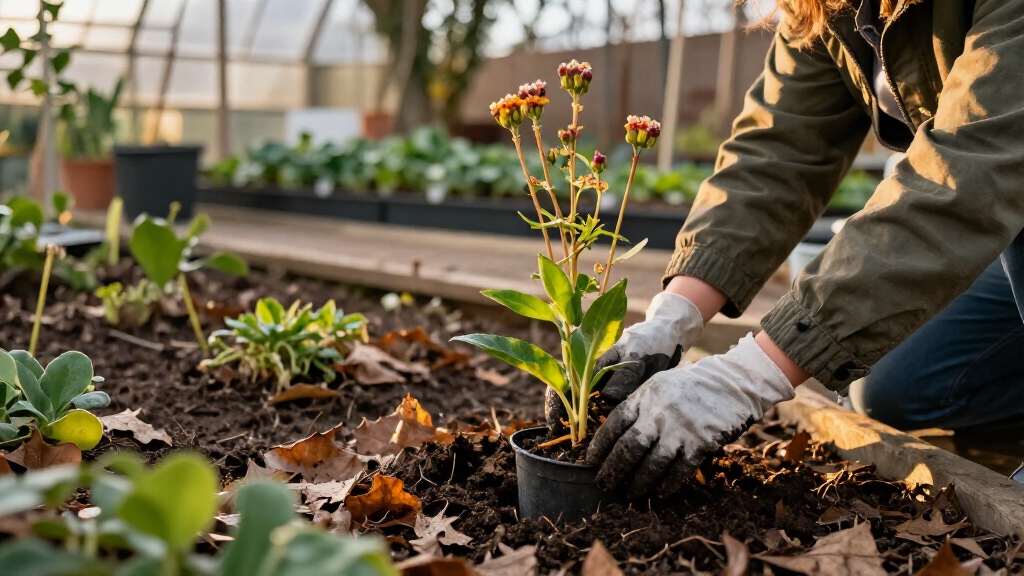
The timing of pruning affects what remains in the garden over winter. Waiting until early spring leaves seed fluff and stalk fibers available for birds and other small animals that may use them for nesting. Whichever timing a gardener chooses, the report advises waiting until seed pods have matured and dispersed before removing dead stems. Cut stems can be added to a compost pile.
Seeds may be left to disperse naturally or collected and spread elsewhere. The report recommends collecting seed in late fall, after the first frost but before a hard freeze. Seed requirements vary: some milkweed species need a period of cold, known as cold stratification, while warm-weather and tropical types such as Asclepias curassavica do not, according to the article.
Winter Care Supports Spring Regrowth
Winter care can affect whether milkweed returns in spring and how much habitat remains available in the garden during colder months. Protecting roots where needed may help plants that face colder conditions, while leaving stems standing until spring preserves material that wildlife can use. Retaining or spreading seeds can also help establish plants in additional parts of a garden.
Milkweed matters beyond its appearance: the report describes it as a food source and habitat for monarch caterpillars. The article presents planting and seed dispersal as ways to support that habitat, but it does not quantify the effect of any single garden’s winter practices on monarch populations.
Popular right now

Dyson V8 Cyclone Cordless Vacuum

Dyson Airwrap i.d. Multi-Styler for Straight and Wavy Hair

Apple AirPods Pro 3 Wireless Earbuds with Active Noise Cancellation
As an affiliate, we earn on qualifying purchases.
Species and Climate Shape Care
The report’s central qualification is that winter hardiness varies by species and climate. Milkweed grows across a range of conditions, and the article advises choosing a variety native to the local climate where possible. For those plants, winter tasks are generally limited. A plant that is not hardy in its growing zone may need extra root protection, but the report does not provide a species-by-species hardiness chart in the supplied material.
Milkweed has milky white sap in its stems and leaves, and many species spread by seed as well as through creeping roots. The seasonal cycle described in the report—summer flowering, fall seed production and winter dieback—explains why dead stems do not necessarily mean a plant has been lost. The roots can remain alive underground and send up new growth the following spring.
Local Conditions Remain Key
The supplied report does not identify the best mulch depth or pruning schedule for every milkweed species, location or winter condition. Its recommendation of a few inches of mulch is aimed at cold climates and less-hardy plants, not presented as a universal requirement. Gardeners should check the needs of the species they grow and local guidance where available.
The article also does not specify whether a particular plant will survive a given winter. Species, growing zone and weather all affect the outcome. It gives no detailed instructions for container-grown milkweed or for managing plants through exceptional freezes, so those situations may require advice tailored to the plant and location.
Check Plants Before Spring Growth
For now, gardeners can identify the milkweed species they have, consider whether it is suited to their climate and decide whether to leave stems standing until early spring. Before pruning, allow seed pods to mature and disperse. In colder conditions, add a few inches of straw or wood-chip mulch around the root area if the species needs added protection.
As spring approaches, gardeners can remove dead stems with clean pruners and watch for new shoots from the roots. Those collecting seed should do so in the report’s recommended late-fall window and account for whether their species needs cold stratification. The next visible sign of the plant’s condition will be new growth in spring; the supplied report gives no specific calendar date because that timing depends on local weather and climate.
Key Questions
Should I cut milkweed back before winter?
The report says plants can be cut back in fall or early spring. Wait until seed pods have matured and dispersed. Leaving stems until spring also keeps stalk fibers and seed fluff available for wildlife nesting.
Does milkweed need winter mulch?
Not always. The report says varieties native to the local climate generally need little winter care. In colder climates, or for a species that is not fully hardy in the growing zone, add a few inches of wood chips or straw to protect the roots.
When should I collect milkweed seeds?
The report recommends collecting seeds in late fall, after the first frost and before a hard freeze. Seeds can also be left to disperse naturally.
Do all milkweed seeds need cold stratification?
No. The report says some species require cold stratification, while warm-weather and tropical species such as Asclepias curassavica do not. Check the requirements for the species you are growing.
Source: gardenerspath.com