
TL;DR

Get garden gear delivered free with Prime
- Fast, free delivery on millions of items
- Prime Video, Amazon Music and more included
- Member-only deals all year
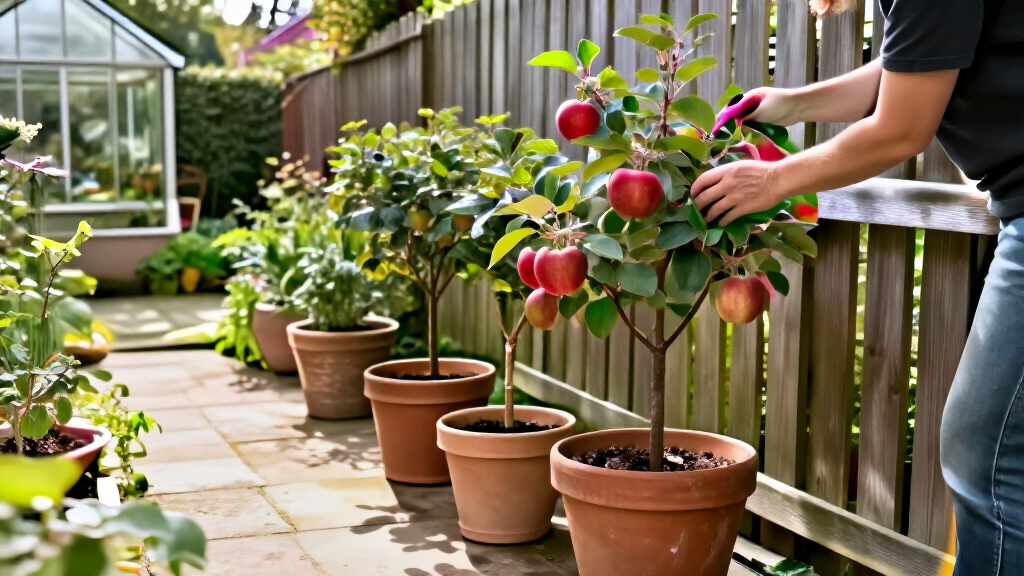
Ideal Home has published a guide to seven fruit trees that can suit smaller gardens, including pears, plums, figs, apples, mulberries, cherries and peaches. Its experts point to dwarfing rootstocks, self-fertile varieties and space-saving training methods; the article says autumn is a suitable time to plant, but results depend on the variety and growing conditions.
Ideal Home has published a guide to seven fruit trees that can fit smaller gardens, drawing on advice from horticultural experts about compact varieties, containers and trained trees. The report says autumn can be a suitable time to plant, while stressing that gardeners should choose varieties and rootstocks suited to the space available.
The recommended trees are pear, plum, fig, apple, mulberry, cherry and peach. The guide’s central advice is to look for trees on dwarfing rootstocks, which are bred to stay smaller, and trees that grow well in containers and self-fertile varieties where possible. Self-fertility can allow a tree to set fruit without a second tree of a compatible variety nearby, though growing conditions still affect the crop.
For pears, British Garden Centres’ head of plants Julian Palphramand recommends ‘Concorde’ as a self-fertile option, alongside other self-pollinating fruit trees. For plums, Harvst Automatic Watering gardening and greenhouse expert Lucie Bradley suggests ‘Opal’ and ‘Victoria’, both described in the report as self-fertile. Horticultural expert Richard Barker says figs can be grown in pots, where restricted roots can encourage cropping, or trained flat against a wall.
Apples often need another tree for pollination, according to Barker, but the guide names ‘Braeburn’ and ‘Red Falstaff’ as self-fertile choices for gardeners with room for only one. It also recommends cordon or espalier training to save space. For cherries, the experts cite ‘Stella’, ‘Lapins’ and ‘Sunburst’ as self-fertile options. The peach advice is incomplete in the supplied report: it identifies dwarfing types and a warm, sunny wall as suitable but does not provide a full variety recommendation.
Compact Trees Make Homegrown Fruit Possible
The advice offers a practical route for gardeners whose plots cannot accommodate standard-sized trees or a full orchard. Compact rootstocks, pots and wall training can make productive planting possible in tighter spaces, while choosing a self-fertile variety may avoid the need to find room for a pollination partner.
The recommendations do not guarantee a harvest. Tree size, fruiting and suitability vary by cultivar and local conditions, and some trees require pruning or particular growing positions. The guide’s value is in helping readers narrow their choices before buying, rather than presenting one tree as suitable for every small garden.
dwarf fruit trees for small gardens
As an affiliate, we earn on qualifying purchases.
As an affiliate, we earn on qualifying purchases.
Why the Guide Points to Autumn
The report presents autumn planting as an opportunity to establish trees before the next growing season. Fothergill’s senior horticulturist Pim Dickson says soil remains warm after summer and autumn rainfall supplies moisture, allowing plants to establish roots before the demands of spring and summer growth.
Bradley makes a distinction for mulberries: potted dwarf trees can be planted in early to mid-autumn, while gardeners seeking bare-root trees should wait until late autumn, after the trees become dormant. These are expert recommendations cited by Ideal Home, not a guarantee that every planting date will suit every climate or site.
“Rainfall at this time of year provides more natural moisture, and this allows plants to concentrate on establishing their roots before the demands of spring and summer growth begin.”
— Pim Dickson, senior horticulturist at Fothergill’s, as quoted by Ideal Home
Variety and Growing Conditions Matter
The source does not provide a publication date, a complete peach recommendation or detailed guidance for every climate, soil type and garden exposure. It also does not set out expected yields or the eventual size of each named tree. Self-fertility does not by itself guarantee fruit, and the guide’s recommendations should be checked against the conditions and care requirements for a specific cultivar.
Check Varieties Before Planting
Gardeners considering a tree should check its mature size, rootstock, pollination requirements and suitability for their site before buying. They can then decide whether to plant in the ground, use a container or train the tree against a wall. For autumn planting, the source advises taking account of the tree’s form: potted plants can be planted earlier, while bare-root mulberries are best added after dormancy begins. The report does not identify a further event or official follow-up.
Key Questions
Which fruit trees does the guide recommend for small gardens?
It covers pears, plums, figs, apples, mulberries, cherries and peaches, with an emphasis on compact varieties and growing methods.
What does a dwarfing rootstock do?
A dwarfing rootstock is used to keep a fruit tree smaller than it would grow on a more vigorous rootstock. The guide recommends checking the rootstock when choosing a tree for limited space.
Do small gardens need two fruit trees for pollination?
Not always. The guide lists several self-fertile varieties, which can fruit without a second compatible tree. Some varieties, including many apples, may need another tree for pollination.
Can fruit trees be grown in pots?
Yes. The report says figs respond well to pots and notes that dwarf mulberries and some cherries can also suit containers. Check the chosen variety’s growing requirements before planting.
Why does the article recommend autumn planting?
Fothergill’s Pim Dickson says warm soil and autumn rainfall can help plants establish roots before spring and summer growth. The source notes that timing varies by plant type, including for bare-root mulberries.
Source: rss
Fall yard work Picks
leaf blowers
As an affiliate, we earn on qualifying purchases.