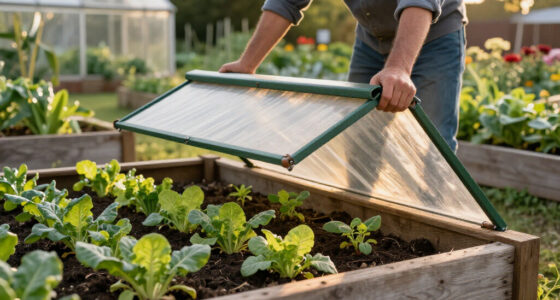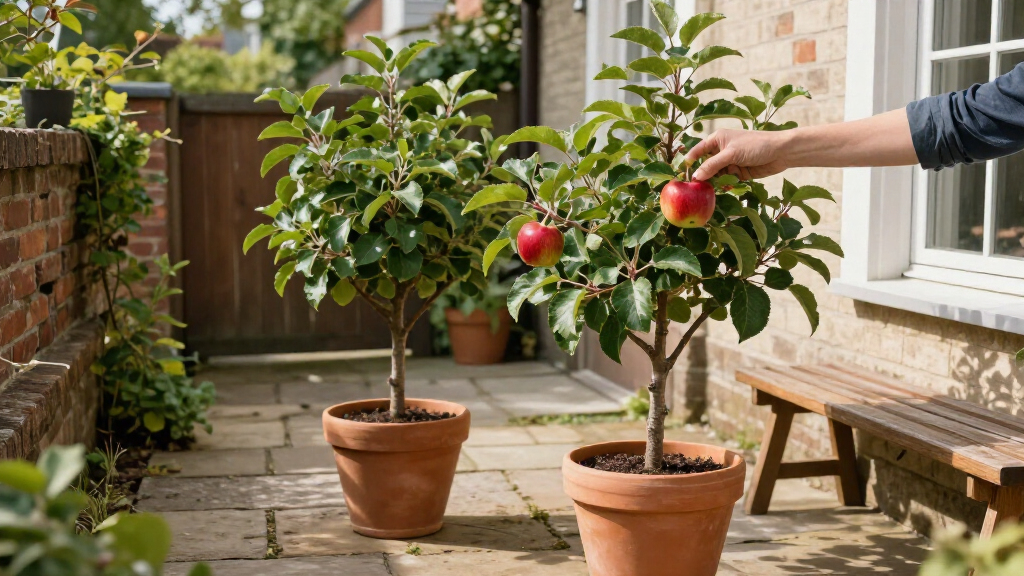
The best fruit trees for small spaces combine a manageable growth habit with a realistic fit for your climate, light, and container setup. My best overall pick is the Little Miss Figgy Dwarf Fig, which is specifically suited to compact growing, while the Via Citrus Meyer Lemon stands out for container-friendly citrus and the Chicago Hardy Fig for gardeners weighing cold tolerance. The main tradeoffs are tree size, winter protection, pollination needs, and whether you want one focused plant or a broader starter assortment. A compact label does not remove the need for pruning, suitable light, and room for roots. Read on for how the nine options compare and which one fits your space.

Get garden gear delivered free with Prime
- Fast, free delivery on millions of items
- Prime Video, Amazon Music and more included
- Member-only deals all year
Complete the kit


Key Takeaways
- Little Miss Figgy is the clearest small-space specialist in this group because its dwarf identity directly supports compact growing; its small starter pot means buyers still need a long-term container plan.
- Via Citrus Meyer Lemon and Garden State Bulb Meyer Lemon offer similar fruit types, so the choice hinges more on the seller’s plant details and your citrus-care setup than on variety alone.
- Chicago Hardy Fig is a more relevant fig choice for gardeners concerned about winter exposure, while Little Miss Figgy puts compact form first.
- The two Wonderful Pomegranate listings differ in plant quantity and pot size; choose a single larger plant for a simpler start or the four-pack when you have room for several plants.
- The 9-plant starter kit offers the broadest mix, but it asks for more planting space and care than any single-tree option, making it a poor fit for a very small patio.
| Via Citrus Meyer Lemon Tree, 13–22 Inches Tall, 1-Gallon Pot |  | Best Overall for Flexible Small-Space Growing | Arrival height: 13–22 inches | Pot size: 1 gallon | Origin: Florida-grown | VIEW LATEST PRICE | See Our Full Breakdown |
| Garden State Bulb Meyer Lemon Tree, Live Citrus Plant in 1-Gallon Pot |  | Best for Self-Pollinating Indoor Citrus | Container size: 1 gallon | Pollination: Self-pollinating | Mature height: 8–10 feet | VIEW LATEST PRICE | See Our Full Breakdown |
| Little Miss Figgy Dwarf Fig Tree Live Plant, 2.5-Inch Pot |  | Best Compact Fig for Small Gardens | Scientific name: Ficus carica ‘Little Miss Figgy’ | Pot size: 2.5 inches | Expected height: About 4 feet | VIEW LATEST PRICE | See Our Full Breakdown |
| Eureka Lemon Tree Live Plant – Grafted Lemon Plant for Indoor & Outdoor |  | Best for Beginner Citrus Growers | Plant type: Grafted Eureka lemon | Growing locations: Indoor and outdoor | Sunlight exposure: Partial shade | VIEW LATEST PRICE | See Our Full Breakdown |
| Perfect Plants Russian Pomegranate Tree, 1 Gallon |  | Best Outdoor Fruit Tree for Cold-Winter Regions | Plant size: 1 gallon | Growing location: Outdoor | Mature height: 10 feet | VIEW LATEST PRICE | See Our Full Breakdown |
| Perfect Plants Wonderful Pomegranate Tree, 2 Gallon Live Plant |  | Best for Warm-Climate Yards | Plant type: Fruit tree | Container size: 2 gallons | Mature size: About 10 feet tall and 10 feet wide | VIEW LATEST PRICE | See Our Full Breakdown |
| Perfect Plants Chicago Hardy Fig Tree, 1 Gallon |  | Best for Cold-Climate Fig Growers | Plant type: Fruit tree | Container size: 1 gallon | Hardiness zones: 5–10 | VIEW LATEST PRICE | See Our Full Breakdown |
| Fam Plants Wonderful Pomegranate Trees, 4-Pack |  | Best Multi-Plant Starter Pack | Plant type: Fruit plant | Quantity: 4 plants | Plant height: 3–7 inches | VIEW LATEST PRICE | See Our Full Breakdown |
| Dwarf Apple, Blueberry, and Blackberry Fruit Tree Starter Kit, 9 Plants |  | Best for Fruit Variety in a Small Garden | Brand: CZ Grain | Plant types: Apple, blueberry, and blackberry | Quantity: 9 plants: 3 of each type | VIEW LATEST PRICE | See Our Full Breakdown |
| fruit trees for small space | Sunlight | Pollination |
|---|---|---|
| Via Citrus Meyer Lemon Tree | Full sun | — |
| Garden State Bulb Meyer Lemon | Partial shade to partial sun | Self-pollinating |
| Little Miss Figgy Dwarf Fig Tr | Full sun | Self-pollinating |
| Eureka Lemon Tree Live Plant | — | — |
| Perfect Plants Russian Pomegra | Full sun; partial shade tolerated | Self-pollinating |
| Perfect Plants Wonderful Pomeg | Full sun | Self-pollinating |
| Perfect Plants Chicago Hardy F | Full sun | Self-pollinating |
| Fam Plants Wonderful Pomegrana | Full sun | — |
| Dwarf Apple | — | — |
More Details on Our Top Picks
Via Citrus Meyer Lemon Tree, 13–22 Inches Tall, 1-Gallon Pot
For a small-space grower who wants citrus without committing to a large tree, the Via Citrus Meyer Lemon is a well-sized starting point: it arrives at 13–22 inches in a one-gallon pot, and pruning can help keep it manageable. Its indoor-and-outdoor flexibility suits a sunny balcony in warm weather and a bright indoor spot during winter. Fragrant spring blooms and sweet-tart fruit are possible, but neither is guaranteed on a schedule; the tree needs full sun and suitable care to produce well. Compared with the Garden State Bulb Meyer Lemon, this listing gives a clear arrival height and Florida-grown origin, while Garden State lists a broader outdoor hardiness range. The main catches are winter relocation and shipping exclusions for five states.
Pros:- Arrives at a stated 13–22-inch height in a one-gallon pot
- Can grow indoors or outdoors, making seasonal relocation possible
- May produce fragrant blooms and sweet-tart lemons
- Pruning can help maintain a container-friendly size
Cons:- Needs full sun, which can be difficult to provide indoors
- Must be brought indoors during winter in cold climates
- Cannot ship to California, Alabama, Arizona, Texas, or Louisiana
Best for: Balcony and patio gardeners who want a compact Meyer lemon they can move indoors for winter and have a bright, sunny window available.
Not ideal for: Buyers in California, Alabama, Arizona, Texas, or Louisiana, or anyone without a full-sun outdoor spot or bright indoor winter location.
- Arrival height:13–22 inches
- Pot size:1 gallon
- Origin:Florida-grown
- Approximate age:9 months to 1 year
- Growing locations:Indoor and outdoor
- Sunlight:Full sun
- USDA hardiness zones:9–11
- Shipping restrictions:Cannot ship to California, Alabama, Arizona, Texas, or Louisiana
Our verdict“Choose this Meyer lemon if you want a compact, movable citrus tree and can provide strong sun in every season.”
Garden State Bulb Meyer Lemon Tree, Live Citrus Plant in 1-Gallon Pot
The Garden State Bulb Meyer Lemon suits growers who want a single citrus plant rather than a second tree for pollination: it is self-pollinating and can grow indoors or outdoors. Its one-gallon container is a practical starting size for a patio or bright indoor space, and the listing says fruit may appear within the first year. That is a possibility, not a promise, and its stated mature height of 8–10 feet means a compact start does not guarantee a permanently small tree; container care and pruning matter. Compared with the Via Citrus Meyer Lemon, Garden State lists outdoor hardiness in zones 8–11 and a broader patio and indoor range, but gives no arrival height. It also requires regular watering during its first three months and cannot ship to five states.
Pros:- Self-pollinating, so a second citrus tree is not required for pollination
- Suitable for indoor and outdoor growing
- May produce fruit within its first year
- Listed for outdoor growing in USDA zones 8–11
Cons:- Listed mature height of 8–10 feet can require ongoing size management
- Needs regular watering during the first three months
- Cannot ship to Florida, Arizona, California, Texas, or Louisiana
Best for: Indoor citrus growers and patio gardeners who want a self-pollinating Meyer lemon and can manage its watering while it establishes.
Not ideal for: Buyers seeking a tree with a specified compact mature size, or residents of Florida, Arizona, California, Texas, or Louisiana.
- Container size:1 gallon
- Pollination:Self-pollinating
- Mature height:8–10 feet
- Growing locations:Indoor and outdoor
- Outdoor hardiness:USDA zones 8–11
- Patio and indoor range:Zones 4–11
- Sunlight:Partial shade to partial sun
- Shipping restrictions:Cannot ship to Florida, Arizona, California, Texas, or Louisiana
Our verdict“Pick this Meyer lemon if self-pollination and flexible indoor or patio growing matter more than a specified dwarf mature size.”
Little Miss Figgy Dwarf Fig Tree Live Plant, 2.5-Inch Pot
With a stated expected height of about 4 feet, Little Miss Figgy is the clearest fit here for buyers who want fruit from a deliberately dwarf tree rather than a larger citrus plant kept small by pruning. This self-pollinating fig can suit a patio container or a compact garden bed, and its sweet figs offer a different harvest from the Meyer lemons in this lineup. The tradeoff is its tiny 2.5-inch starter pot: buyers should expect to establish the plant and provide suitable growing space, not receive a mature patio tree. It also needs full sun and well-draining soil. Compared with the Via Citrus Meyer Lemon, it has a more clearly stated compact expected height, but it lacks that lemon tree’s listed indoor use and will not suit growers without a sunny outdoor location.
Pros:- Expected height of about 4 feet suits tighter growing areas
- Self-pollinating, so it does not need another fig for pollination
- Produces edible figs with purple skin and red interiors
- Listed for USDA zones 7–10
Cons:- Arrives in a small 2.5-inch pot and needs time to establish
- Requires full sun for best growth
- Needs well-draining soil, so heavy or poorly drained sites are unsuitable
Best for: Gardeners with a sunny patio or small garden who want a self-pollinating fig and are comfortable growing a starter plant to size.
Not ideal for: People who need a fruit tree ready for indoor growing, lack full sun, or want a larger plant on arrival rather than a 2.5-inch-pot starter.
- Scientific name:Ficus carica ‘Little Miss Figgy’
- Pot size:2.5 inches
- Expected height:About 4 feet
- USDA hardiness zones:7–10
- Sunlight:Full sun
- Soil:Well-draining
- Pollination:Self-pollinating
- Fruit color:Purple skin with red interior
Our verdict“Choose Little Miss Figgy if a genuinely dwarf, self-pollinating fig suits your sunny outdoor space and you are willing to grow a starter plant.”
Eureka Lemon Tree Live Plant – Grafted Lemon Plant for Indoor & Outdoor
This grafted Eureka lemon is presented as a beginner-friendly option for adding citrus greenery to a kitchen, balcony, or garden. Its indoor-and-outdoor use gives small-space growers flexibility about where to place it, while the listing’s year-round blooming claim may appeal to people who want more than a seasonal patio plant. The product details do not provide a pot size, arrival height, mature dimensions, or hardiness zone, however, so it is harder to judge how readily it will fit a very tight area than the Via Citrus Meyer Lemon, which specifies a 13–22-inch arrival height. The listing describes partial shade, but also says sufficient sunlight is needed; buyers should not treat that as permission to keep it in a dim room. This is a less size-defined choice than the Little Miss Figgy.
Pros:- Grafted lemon plant listed for indoor and outdoor use
- Presented as suitable for beginner gardeners
- Listed blooming period is year-round
- Can add citrus foliage to kitchens, balconies, patios, or gardens
Cons:- No pot size, arrival height, or mature dimensions are provided
- Requires sufficient sunlight despite the partial-shade listing
- The listing does not specify hardiness zones or detailed watering needs
Best for: New citrus growers who want a grafted lemon plant for a bright indoor spot, balcony, or garden and can confirm its dimensions before buying.
Not ideal for: Small-space buyers who need a stated arrival or mature size, or gardeners without enough light to support citrus growth.
- Plant type:Grafted Eureka lemon
- Growing locations:Indoor and outdoor
- Sunlight exposure:Partial shade
- Listed blooming period:Year-round
- Special feature:Air purification
- Quantity:1 plant
Our verdict“Consider this Eureka lemon for a bright space if beginner-friendly presentation matters and missing size details are not a dealbreaker.”
Perfect Plants Russian Pomegranate Tree, 1 Gallon
Among these five plants, the Russian pomegranate is the outdoor-first choice for gardeners who can give a small tree or shrub a permanent sunny spot. It is listed for USDA zones 6–9, extending into colder regions than the Meyer lemons here, and its self-pollinating flowers can lead to edible fruit that ripens from mid to late September. The appeal comes with a real space tradeoff: a mature plant may reach 10 feet tall and 10 feet wide, so it is not as naturally compact as Little Miss Figgy’s stated four-foot height. It can be trained as a small tree or grown as a bushy shrub, but it is not an indoor option. Full sun is preferred, and shipping excludes California, Arizona, and Hawaii.
Pros:- Listed for outdoor growing in USDA zones 6–9
- Self-pollinating and capable of producing edible fruit
- Spring flowers add red-orange color before fruiting
- Can be trained as a small tree or grown as a bushy shrub
Cons:- Mature height and width are both listed at 10 feet, making it less compact than Little Miss Figgy
- Not suitable as a houseplant
- Cannot ship to California, Arizona, or Hawaii
Best for: Outdoor gardeners in USDA zones 6–9 with room to train a fruiting shrub or small tree and a sunny planting location.
Not ideal for: Apartment growers, anyone needing a container tree for indoors, or small-yard owners who cannot accommodate a plant that may spread 10 feet wide.
- Plant size:1 gallon
- Growing location:Outdoor
- Mature height:10 feet
- Mature width:10 feet
- USDA hardiness zones:6–9
- Pollination:Self-pollinating
- Sunlight:Full sun; partial shade tolerated
- Shipping restrictions:Does not ship to California, Arizona, or Hawaii
Our verdict“Choose this pomegranate for a sunny outdoor garden in a suitable climate, but skip it if your space cannot accommodate a broad, shrub-sized plant.”
Perfect Plants Wonderful Pomegranate Tree, 2 Gallon Live Plant
I’d rank this pomegranate tree among the stronger choices for a small yard in a warm climate, but not for a tiny patio: its listed mature size is 10 feet tall and 10 feet wide. Self-pollination means one tree can produce fruit without taking up room for a partner, while spring flowers add ornamental value before the large red pomegranates ripen in mid to late September. Compared with the Perfect Plants Russian Pomegranate Tree, this is the more clearly specified option for fruit timing and mature dimensions. The tradeoff is its zones 8–11 range, which excludes colder gardens, plus it cannot ship to Arizona or California. I’d choose it when there’s sunny in-ground space; a compact citrus or dwarf fig is a better fit where footprint matters most.
Pros:- Self-pollinating, so a second tree is not needed for fruit production
- Produces large red fruit with a stated mid-to-late-September ripening period
- Showy spring flowers provide ornamental interest
- Includes a care guide
Cons:- Mature width of about 10 feet makes it a poor choice for a very small patio
- Limited to warm hardiness zones 8–11
- Not shipped to Arizona or California
Best for: Gardeners in hardiness zones 8–11 with a sunny yard who want one self-pollinating pomegranate tree for fruit and spring flowers.
Not ideal for: Patio growers with very limited floor space, gardeners outside zones 8–11, and buyers in Arizona or California who cannot receive shipment.
- Plant type:Fruit tree
- Container size:2 gallons
- Mature size:About 10 feet tall and 10 feet wide
- Hardiness zones:8–11
- Sunlight:Full sun
- Pollination:Self-pollinating
- Fruit ripening:Mid to late September
- Shipping restrictions:Does not ship to Arizona or California
Our verdict“Choose this for a sunny, warm-climate yard with room for a 10-foot-wide tree, not for a cramped patio or a cold region.”
Perfect Plants Chicago Hardy Fig Tree, 1 Gallon
Among these options, the Chicago Hardy Fig has the broadest stated climate range: zones 5–10, with the plant described as tolerating below-freezing temperatures. That makes it a more plausible outdoor fig for colder regions than the Little Miss Figgy Dwarf Fig, though the two listings differ sharply on space: this tree is listed at 15–30 feet tall and 15–35 feet wide. It can be planted in a patio container, but the mature dimensions mean container culture and ongoing size management matter if space is tight. Self-pollination avoids needing a second fig, and the included fig food and care guide give new growers some support. I’d shortlist it for a sunny site where winter hardiness matters more than a naturally compact shape; skip it if you need a reliably small tree without regular pruning.
Pros:- Listed for hardiness zones 5–10 and described as tolerant of below-freezing temperatures
- Self-pollinating, so a single plant can produce fruit
- Can be planted in the ground or grown in a patio container
- Includes fig food and a care guide
Cons:- Listed mature dimensions are large for a small-space roundup
- Requires full sun for best growth
- Not shipped to Arizona or California
Best for: Fig growers in zones 5–10 who want a self-pollinating plant that can handle below-freezing conditions and are prepared to manage its size.
Not ideal for: Small-patio gardeners seeking a naturally dwarf tree, or buyers in Arizona or California who cannot receive shipment.
- Plant type:Fruit tree
- Container size:1 gallon
- Hardiness zones:5–10
- Mature size:15–30 feet tall and 15–35 feet wide
- Sunlight:Full sun
- Pollination:Self-pollinating
- Fruit color:Deep purple with maroon tones
- Included:Fig food and care guide
Our verdict“Pick this fig for a sunny, colder-climate garden where you can contain its growth, rather than for a low-maintenance compact patio planting.”
Fam Plants Wonderful Pomegranate Trees, 4-Pack
This pack is a different kind of small-space pick: it gives you four starter plants only 3–7 inches tall, rather than one established tree, so it suits growers who want to spread plantings across containers or a garden bed. The listed mature height of 12 feet means these are not dwarf pomegranates; the advantage is starting small, not keeping them small forever. Compared with the Perfect Plants Wonderful Pomegranate Tree, this listing provides more plants and a broader stated range of zones 7–11, but it offers less clarity on the final footprint and fruiting details. I’d also treat the pot-size information cautiously because the title and description conflict. Full sun, well-draining sandy soil, and regular watering during establishment are part of the commitment, so this is less hands-off than a single, clearly specified tree.
Pros:- Includes four starter plants
- Listed for outdoor growing in hardiness zones 7–11
- Small shipped height allows flexible initial placement
- Care instructions are provided
Cons:- Pot size is inconsistent between the title and description
- Listed expected mature height of 12 feet is not especially compact
- Needs full sun and regular watering while establishing
Best for: Gardeners who want several small pomegranate starters to distribute among sunny outdoor beds or containers and can provide attentive establishment care.
Not ideal for: Buyers who need a clearly documented pot size, a compact mature tree, or a single established plant with specific fruiting details.
- Plant type:Fruit plant
- Quantity:4 plants
- Plant height:3–7 inches
- Pot size:Conflicting details: 1 inch in the description and 2 inches in the title
- Hardiness zones:7–11
- Expected mature height:12 feet
- Sunlight:Full sun
- Soil and watering:Sandy, well-draining soil; water regularly until established, then infrequently
Our verdict“Choose this pack to start several pomegranates in a sunny outdoor space, but not if you need a dwarf mature size or precise container details.”
Dwarf Apple, Blueberry, and Blackberry Fruit Tree Starter Kit, 9 Plants
If variety matters more than having one clearly defined tree, this kit offers the broadest mix here: nine plants across apple, blueberry, and blackberry, with three of each. The listed dwarf varieties and established root systems are aimed at patios, small spaces, or gardens, so it could use space more flexibly than the 10-foot-wide Perfect Plants Wonderful Pomegranate Tree. It also gives a small-space grower several kinds of fruit instead of concentrating the planting on one crop. The tradeoff is limited growing detail: the listing does not give mature dimensions, hardiness zones, sunlight needs, or pollination information for the individual plants. Its description also mentions plums and pears inconsistently, even though the listed kit contents are apple, blueberry, and blackberry. I’d buy only if that listed three-fruit mix is what you want and you can confirm the plants suit your local conditions.
Pros:- Includes nine live plants, three each of apple, blueberry, and blackberry
- Listed as dwarf varieties for patios, small spaces, or gardens
- Plants are described as having established root systems for transplanting
- Offers several fruit types in one kit
Cons:- No mature dimensions or hardiness zones are provided
- Description inconsistently mentions plums and pears despite listing apple, blueberry, and blackberry
- Individual sunlight and pollination requirements are not specified
Best for: Small-garden growers who want a mixed planting of apple, blueberry, and blackberry and are comfortable checking each plant’s local growing requirements.
Not ideal for: Buyers who need confirmed mature dimensions, climate guidance, or a clearly consistent description of the plants included.
- Brand:CZ Grain
- Plant types:Apple, blueberry, and blackberry
- Quantity:9 plants: 3 of each type
- Recommended use:Outdoor
- Special feature:Dwarf varieties described as low maintenance
- Root systems:Described as established for transplanting
- Item dimensions:14 × 2 × 3 inches (D × W × H)
- Item weight:2 pounds
Our verdict“Choose this kit for a small garden with room for a varied fruit planting, provided you verify the plants’ growing needs before ordering.”
How We Picked
I ranked these products by how clearly they suit restricted growing space, then weighed the practical details that affect whether a buyer can keep them productive: stated plant type, pot size, number of plants, likely container fit, and the care demands suggested by citrus, fig, pomegranate, and mixed-fruit options. I gave more weight to a defined compact habit and a manageable single-plant commitment than to a larger assortment, since extra plants can quickly outgrow a small patio or garden.
The ranking also reflects how easily a buyer can match each option to a real growing situation. Meyer lemons suit growers prepared to manage light and seasonal protection; figs and pomegranates offer different paths for outdoor growing; and the starter kit favors space and variety over simplicity. Product listings provide limited information about mature dimensions, pollination, and local hardiness, so I treat those as details buyers should verify before ordering rather than assume from a product name.
| fruit trees for small space | Sunlight |
|---|---|
| Via Citrus Meyer Lemon Tree | Full sun |
| Garden State Bulb Meyer Lemon | Partial shade to partial sun |
| Little Miss Figgy Dwarf Fig Tr | Full sun |
| Eureka Lemon Tree Live Plant | — |
| Perfect Plants Russian Pomegra | Full sun; partial shade tolerated |
| Perfect Plants Wonderful Pomeg | Full sun |
| Perfect Plants Chicago Hardy F | Full sun |
| Fam Plants Wonderful Pomegrana | Full sun |
| Dwarf Apple | — |
Factors to Consider When Choosing Best Fruit Trees For Small Spaces
Choosing a fruit tree for a tight footprint is less about finding the smallest listing and more about matching the plant’s mature needs to your growing conditions. I would sort out these factors before choosing between one dwarf tree, a container citrus plant, and a multi-plant kit.
Check mature size, not just the shipping pot
A small nursery pot describes the plant at arrival, not the space it will occupy after several growing seasons. Look for the expected mature height and width, whether the plant is genuinely dwarf or can be kept compact through pruning, and how much root room it needs. A smaller tree may still need a large, heavy container to support steady growth, which affects balcony access and moving it indoors. Ask the seller for mature dimensions if they are not listed. Avoid choosing on the basis of a compact-looking starter plant alone.
Match the tree to your winter conditions
Cold tolerance can decide whether a tree stays outdoors year-round or needs a protected winter location. Citrus often requires extra care in cold regions, while some figs and pomegranates may be better suited to outdoor growing depending on the variety and local climate. Check your area’s winter lows against the plant’s stated hardiness, and distinguish root hardiness from the ability to produce fruit after a severe winter. Container roots can face colder conditions than roots in the ground. If winter storage is needed, measure the doorway, indoor light, and floor space before buying.
Count the hours of usable light
Fruit production generally depends on more than a bright-looking corner: the plant needs adequate direct light for its type and season. A sunny patio, an unobstructed south-facing window, and a shaded balcony are very different growing sites. Indoor citrus may need supplemental grow lighting when natural light is limited, while an outdoor plant can be hindered by buildings or tree cover. Track direct sun at the intended spot before ordering. If light is marginal, a multi-plant kit is a bigger commitment than a single tree that you can place in the best location.
Plan for pollination and fruit expectations
Do not assume every fruit tree needs a second tree, or that every single tree will reliably fruit alone. Pollination needs vary by species and cultivar, and indoor growing can limit access to pollinators even when a plant is self-fruitful. Check the listing or ask the seller whether a compatible partner is needed and whether hand pollination may help indoors. Also account for the time young plants need to establish before producing a meaningful crop. A larger plant can cost more to ship and place, but may suit buyers who do not want to wait as long as they might with a small starter.
Choose a workload you can sustain
Container trees need regular attention to watering, feeding, pruning, and potting-on; a compact footprint does not mean low maintenance. Citrus can call for close attention to light and seasonal conditions, while a multi-plant assortment brings separate watering and space needs. Think through who will care for the plants when you travel and whether you can move heavy containers as the seasons change. Start with one tree if you are learning container fruit care. Add a second plant only when you know you can provide each one with suitable light and root space.
Compare plant count with the space you actually have
A bundle can provide variety, but its plant count is only an advantage if you have places to grow every plant. Measure both the floor area and the mature canopy area, leaving room to reach the pots for pruning and harvesting. Several small starters can demand more total attention than one established tree, and they may compete for your brightest spots. The single-tree listings suit buyers who want to focus their care, while the four-pack and nine-plant kit make more sense for a garden or a grower with several suitable containers. Buy for the space you can maintain, not the number of varieties you hope to collect.
Frequently Asked Questions
Can I grow a fruit tree indoors all year?
Some container fruit trees can live indoors for part or all of the year, but fruiting depends on enough light and suitable care. Citrus is a common indoor choice, yet a bright window may still fall short of the light needed for dependable growth and fruit. A grow light can help, and many trees benefit from spending warm months outdoors if local conditions allow. Check the specific variety’s temperature and pollination needs before buying. If your only spot is dim, a fruit tree may remain alive without producing the crop you expect.
Is a dwarf tree always the best choice for a balcony?
Not automatically. A dwarf habit can reduce canopy size, but the plant still needs a suitable container, enough light, and room for pruning and access. Balcony limits on weight, wind exposure, and safe placement may matter as much as the tree’s height. Check the combined weight of a mature, watered container and confirm your building’s rules if needed. For a very tight balcony, one manageable plant can be a better fit than a multi-plant assortment.
Should I choose the four-pack of pomegranates or the single larger plant?
Choose the four-pack only if you have several suitable growing spots and want to care for multiple plants. It may offer more planting flexibility, but it also increases the demands for containers, light, watering, and winter arrangements. A single larger Wonderful pomegranate is simpler to place and manage, though its exact fit depends on mature size and your climate. Compare each listing’s plant dimensions and care details rather than treating pack size as a measure of value. If space is limited, one well-situated plant is usually the more practical start.
Do I need two fruit trees to get fruit?
That depends on the species and cultivar; some can set fruit alone, while others benefit from a compatible pollination partner. Even a self-fruitful plant may produce less reliably indoors if pollinating insects are absent, so hand pollination can be useful for some trees. Confirm the pollination information for the exact plant before ordering, since a common name alone may not answer the question. A second tree also takes up space and adds care tasks. If you cannot accommodate two plants, prioritize a variety confirmed as suitable for single-tree growing.
Which option makes more sense if I am new to fruit trees?
A single plant is generally easier to learn with than a kit, because you can focus on one watering routine, one set of light needs, and one seasonal care plan. The Via Citrus Meyer Lemon and the dwarf fig are straightforward starting points only if you can meet their particular light and climate needs. Before ordering, check whether the plant must move indoors for winter and whether your home has a suitable bright location. A small starter pot is not necessarily easier long term if it needs frequent potting-on. Pick the tree whose care requirements fit your routine, rather than the one with the most appealing fruit name.
Conclusion
For the strongest small-space match, I would start with the Little Miss Figgy Dwarf Fig, the roundup’s clearest compact specialist. My best value-style choice is the Via Citrus Meyer Lemon for buyers who want one container-friendly citrus plant, while the best beginner path is also a single-tree purchase—provided you can supply its light and seasonal care. For a more substantial pomegranate start, choose the Perfect Plants Wonderful Pomegranate, 2 Gallon; the four-pack is better for growers with room for multiple plants. If winter exposure is your main concern, compare the Chicago Hardy Fig with local hardiness guidance, and if variety matters more than a minimal footprint, consider the 9-plant starter kit. I would make the final choice only after checking mature size, climate fit, and the space needed for the container.
Fall yard work Picks
leaf blowers
As an affiliate, we earn on qualifying purchases.