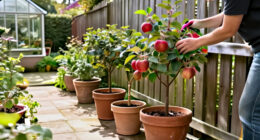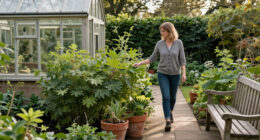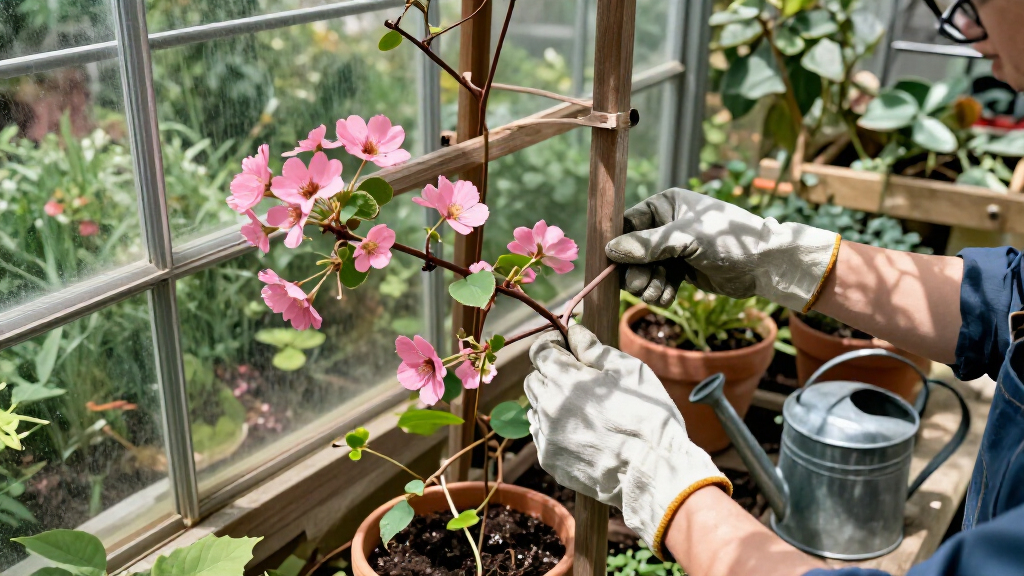

The best flowering vines balance showy blooms with a growth habit and care level that suit your space. My best overall pick is Carolina Jasmine for evergreen foliage and fragrant spring flowers; Jackmanii clematis stands out for vivid purple blooms, while cardinal climber offers a fast-growing annual option from seed. The main tradeoffs are perennial versus seasonal growth, live plants versus seeds, and fragrance or evergreen foliage versus a longer, more demanding establishment period. Climate, available support, and how much pruning you want to do can change which vine is the better fit. Read on for the full comparison and a guide to choosing among all 13 options.

Get garden gear delivered free with Prime
- Fast, free delivery on millions of items
- Prime Video, Amazon Music and more included
- Member-only deals all year
Complete the kit


Key Takeaways
- Carolina Jasmine is the most balanced choice in this lineup: it combines evergreen foliage and fragrant flowers, unlike seasonal morning glories and moonflowers.
- Jackmanii clematis offers a direct route to bold purple blooms because it arrives as a live plant; seed-grown vines generally ask for more patience and growing effort.
- Annual seed picks bring variety and flexibility: cardinal climber, dark red and Heavenly Blue morning glories, and moonflower let gardeners test color or placement without committing to a long-lived woody vine.
- The wisterias call for the most careful planning: the established Blue Moon plant gives buyers a head start, while Japanese wisteria seeds mean a longer wait and greater uncertainty before flowering.
- Honeysuckles and mandevilla serve different garden conditions: coral and Major Wheeler honeysuckle suit perennial planting plans, while pink mandevilla is a better match for warm-season color in a container or protected setting.
| Seed Needs Cardinal Climber Flower Seeds, 2 Packs (200 Seeds) |  | Best for Fast, Colorful Coverage | Botanical name: Ipomoea x multifida | Plant type: Annual flowering vine | Flower color and size: Red; 1.5 inches | VIEW LATEST PRICE | See Our Full Breakdown |
| Carolina Jasmine Evergreen Vine, 2-Pack |  | Best for Evergreen Coverage | Scientific name: Gelsemium sempervirens | Plant type: Evergreen vine | Bloom color and season: Yellow; summer | VIEW LATEST PRICE | See Our Full Breakdown |
| 50+ Dark Red Morning Glory Climbing Vine Seeds |  | Best for a Budget-Friendly Seed Start | Plant type: Annual vine | Seed count: 50+ | Mature size: 6–10 feet tall; 3–6 feet wide | VIEW LATEST PRICE | See Our Full Breakdown |
| Perennial Farm Clematis ‘Jackmanii’ Live Vine, 4-Quart Container |  | Best for Large, Long-Season Blooms | Plant type: Flowering vine | Flower color and size: Deep purple; 5–6 inches | Bloom period: Spring to fall | VIEW LATEST PRICE | See Our Full Breakdown |
| White Moonflower Vine Seeds, Fragrant Night-Blooming Climbing Vine |  | Best for Nighttime Fragrance | Seed count: 20+ | Flower color and timing: White; night-blooming in summer | Maximum vine height: Up to 15 feet | VIEW LATEST PRICE | See Our Full Breakdown |
| Blue Moon Wisteria Vine, 2-Year-Old Plant |  | Best for Repeat Summer Blooms | Scientific name: Wisteria macrostachya ‘Blue Moon’ | Plant age: 2 years | Flower color: Lilac-blue | VIEW LATEST PRICE | See Our Full Breakdown |
| Japanese Wisteria Floribunda Seeds, Purple, 10 Pack |  | Best for Seed-Growing Gardeners | Plant type: Japanese Wisteria Floribunda | Quantity: 10 seeds | Flower color: Purple | VIEW LATEST PRICE | See Our Full Breakdown |
| Sweet Autumn Clematis (Clematis paniculata), White Flowers, 8-Inch Container |  | Best for Fall Flowers | Plant type: Perennial vine | Flower color: White | Bloom period: September through October | VIEW LATEST PRICE | See Our Full Breakdown |
| 2 Red Coral Honeysuckle Live Plants, 5–9 Inches Tall |  | Best Two-Plant Starter Set | Plant type: Red Coral Honeysuckle flowering vine | Quantity: 2 live plants | Plant height: Approximately 5–9 inches each | VIEW LATEST PRICE | See Our Full Breakdown |
| 2 Pink Mandevilla Vine Live Plants, 4–7 Inches Tall |  | Best for Warm-Climate Containers | Plant type: Mandevilla flowering vine | Quantity: 2 live plants | Plant height: 4–7 inches | VIEW LATEST PRICE | See Our Full Breakdown |
| Major Wheeler Honeysuckle Live Plant in 2.5-Inch Pot |  | Best for Hardier Climbing Honeysuckle | Plant type: Honeysuckle (Lonicera) | Quantity: 1 live plant | Pot size: 2.5 inches | VIEW LATEST PRICE | See Our Full Breakdown |
| Perfect Plants Confederate Jasmine Live Plant, 1 Gallon |  | Best for Fragrant Garden Coverage | Plant type: Jasmine vine | Container size: 1 gallon | Mature height: 10–12 ft | VIEW LATEST PRICE | See Our Full Breakdown |
| Marde Ross & Company Heavenly Blue Morning Glory Seeds, 250 Count |  | Best for Abundant Blue Blooms from Seed | Seed count: 250 | Flower color: Blue | Flower size: 4–5 inches | VIEW LATEST PRICE | See Our Full Breakdown |
| flowering vine | Plant type |
|---|---|
| Seed Needs Cardinal Climber Fl | Annual flowering vine |
| Carolina Jasmine Evergreen Vin | Evergreen vine |
| 50+ Dark Red Morning Glory Cli | Annual vine |
| Perennial Farm Clematis ‘Jackm | Flowering vine |
| White Moonflower Vine Seeds | — |
| Blue Moon Wisteria Vine | — |
| Japanese Wisteria Floribunda S | Japanese Wisteria Floribunda |
| Sweet Autumn Clematis | Perennial vine |
| 2 Red Coral Honeysuckle Live P | Red Coral Honeysuckle flowering vine |
| 2 Pink Mandevilla Vine Live Pl | Mandevilla flowering vine |
| Major Wheeler Honeysuckle Live | Honeysuckle (Lonicera) |
| Perfect Plants Confederate Jas | Jasmine vine |
| Marde Ross & Company Heavenly | — |
More Details on Our Top Picks
Seed Needs Cardinal Climber Flower Seeds, 2 Packs (200 Seeds)
For a quick screen of vivid red flowers, Cardinal climber is the strongest fit in this group: it can reach 15 feet and bloom from summer into fall, making it useful for covering a fence or trellis in a single growing season. Its red, trumpet-shaped flowers also appeal to pollinators. Compared with the Jackmanii clematis, which arrives as a rooted plant and bears much larger flowers, this pick gives you more seeds and a faster annual-cover approach, but not a permanent vine. It needs full sun and regular watering, and its foliage and flowers fade with cool weather. Choose it for seasonal color and coverage; skip it if you want a vine that returns year after year.
Pros:- Can climb up to 15 feet for substantial seasonal coverage
- Red trumpet-shaped flowers bloom from summer into fall
- Flowers can attract butterflies, bees, ladybugs, and hummingbirds
- Two packs provide 200 GMO-free, heirloom seeds
Cons:- Annual growth dies back in cooler weather, unlike evergreen Carolina jasmine
- Needs full sun and regular watering
- Does not provide the large individual blooms of Jackmanii clematis
Best for: Gardeners who want to cover a sunny fence or trellis with red flowers during one growing season and are happy to replant annually.
Not ideal for: Gardeners seeking year-round foliage or a perennial vine, or those without a sunny spot and time for regular watering.
- Botanical name:Ipomoea x multifida
- Plant type:Annual flowering vine
- Flower color and size:Red; 1.5 inches
- Bloom period:Summer to fall
- Sun exposure:Full sun
- Expected height:Up to 15 feet
- Watering:Regular
- Seed quantity:200 seeds in 2 packs
Our verdict“Choose Cardinal climber for abundant red annual coverage on a sunny support, not for a permanent garden vine.”
Carolina Jasmine Evergreen Vine, 2-Pack
Carolina jasmine is the foliage-first choice here: its evergreen growth can keep a wall, fence, or trellis covered beyond the flowering season, while bright yellow summer blooms add seasonal color. Its ability to grow in sun through shade gives it more placement flexibility than sun-loving Cardinal climber and morning glory. The tradeoff is that the listing describes the plants as only 1 foot tall, so buyers should not expect instant coverage; this is a smaller starting point than the established Jackmanii clematis in a four-quart container. It also prefers moist, nutrient-rich soil, and the plants need prompt attention after delivery. Choose this two-pack for lasting foliage and a shaded-site option, not for immediate height or dramatic oversized flowers.
Pros:- Evergreen foliage can provide coverage outside the bloom season
- Bright yellow flowers add summer color
- Sun-to-shade exposure range is broader than that of the annual seed vines
- Two plants are included
Cons:- Listed height is only 1 foot, so coverage may take time
- Prefers nutrient-rich, moist soil and needs moderate watering
- Plants should be unpacked promptly after delivery
Best for: Gardeners who want an evergreen climbing vine for a wall or fence and need a choice that can grow in partial shade.
Not ideal for: Buyers wanting a tall, immediately established vine or large showy flowers, or gardeners unable to keep soil moderately moist.
- Scientific name:Gelsemium sempervirens
- Plant type:Evergreen vine
- Bloom color and season:Yellow; summer
- Sun exposure:Full sun to shade
- Listed height:1 foot
- Soil:Nutrient-rich, moist
- Watering:Moderate
- Quantity and container:2 plants; biodegradable 2 × 2-inch containers
Our verdict“Pick Carolina jasmine for evergreen foliage and a more shade-tolerant location, provided you can give it time to climb.”
50+ Dark Red Morning Glory Climbing Vine Seeds
These morning glory seeds suit gardeners who want a classic climbing annual and a broad stated range of flower colors, with vines listed at 6–10 feet tall. They can cover a trellis or cottage-garden support and bloom from summer to fall, much like Cardinal climber. The key difference is that Cardinal climber is specified with a clearer red flower and a taller maximum height, while this listing gives conflicting color information: its title says dark red, product details say dark red and dark purple, and the description lists purple, pink, blue, and white. That uncertainty makes the flower color a gamble. The seeds also need full sun and regular watering. This is a reasonable seed-grown option if color variety matters more than a reliably specified shade; skip it if you want confirmed dark-red blooms.
Pros:- Annual vines are listed at 6–10 feet tall for trellis coverage
- Summer-to-fall bloom period provides seasonal color
- Non-GMO seeds
- Flowers may attract butterflies and honey bees
Cons:- Flower-color claims conflict across the title, details, and description
- Needs full sun and regular watering
- A seed-grown annual does not provide the established starting point of a live clematis
Best for: Seed-starting gardeners who want a climbing annual for a sunny trellis and can accept uncertainty about the eventual flower color.
Not ideal for: Buyers who need a dependable dark-red color, or gardeners without full sun and the ability to water regularly.
- Plant type:Annual vine
- Seed count:50+
- Mature size:6–10 feet tall; 3–6 feet wide
- Flower colors listed:Dark red and dark purple in product details; purple, pink, blue, and white in description
- Bloom time:Summer to fall
- Sun exposure:Full sun, 6–8 hours daily
- Soil pH:6.0–6.8
- Watering:Regular
Our verdict“Choose these morning glory seeds for a sunny, seed-grown trellis display only if you are flexible about flower color.”
Perennial Farm Clematis ‘Jackmanii’ Live Vine, 4-Quart Container
Jackmanii clematis is the most flower-forward choice in this batch: its deep purple blooms reach 5–6 inches across, and the rooted vine is listed at 10–12 feet tall. A four-quart container gives buyers a planted vine rather than seeds to start, while its spring-to-fall flowering window offers a longer display than the summer-only Carolina jasmine listing. Compared with Cardinal climber, Jackmanii trades quick annual coverage for a more substantial live-plant start and much larger flowers. It calls for even moisture and support such as a trellis, fence, or arch, and the listing gives USDA Zone 4 rather than a broad zone range. Shipping can also be unavailable in some states, and winter shipments may arrive dormant and trimmed.
Pros:- Large 5–6-inch deep purple flowers stand out against smaller Cardinal climber blooms
- Rooted plant arrives in a 4-quart container rather than as seed
- Listed height of 10–12 feet suits trellises, fences, and arches
- Blooming period extends from spring to fall
Cons:- USDA hardiness information is listed only as Zone 4
- May arrive dormant and trimmed when shipped from November through March
- Shipping is unavailable to some states
Best for: Gardeners seeking a rooted, large-flowered vine for a trellis or garden arch and able to provide even moisture.
Not ideal for: Buyers outside the listed shipping area, gardeners who want an evergreen vine, or those who need a plant that arrives in active growth during winter.
- Plant type:Flowering vine
- Flower color and size:Deep purple; 5–6 inches
- Bloom period:Spring to fall
- Flowering months listed:June, July, and September
- Expected height:10–12 feet
- Container size:4 quarts
- Sun exposure:Partial sun
- Watering:Moderate; keep moisture even
Our verdict“Choose Jackmanii for a rooted vine with oversized purple blooms and a long flowering season, if it ships to your location.”
White Moonflower Vine Seeds, Fragrant Night-Blooming Climbing Vine
Moonflower offers a distinct reason to choose it: fragrant white flowers open at night, adding evening appeal that daytime bloomers such as Jackmanii clematis do not target. The vine is listed at up to 15 feet, making it suitable for a tall support, and it can grow as a perennial in Zones 8–11 or as an annual elsewhere. That flexibility does not make it frost-tolerant, however; freezing temperatures rule it out as a returning vine in colder gardens. Starting it also takes more preparation than the other seed options here: each seed should be scored and soaked before planting. Choose moonflower for a sunny patio or garden where evening scent matters more than daytime color; skip it if you want simple, low-prep seeds or reliable winter survival.
Pros:- Fragrant white flowers bloom at night
- Vines can reach up to 15 feet
- Can grow as a perennial in Zones 8–11 or as an annual elsewhere
- GMO-free seeds
Cons:- Seeds must be scored and soaked before planting
- Cannot tolerate freezing temperatures
- Requires full sun and does not offer the large daytime blooms of Jackmanii clematis
Best for: Gardeners with a sunny outdoor support who want fragrant white flowers for evening enjoyment and can prepare seeds before planting.
Not ideal for: Buyers in freezing climates seeking a dependable perennial, or gardeners who prefer seeds that need little preparation.
- Seed count:20+
- Flower color and timing:White; night-blooming in summer
- Maximum vine height:Up to 15 feet
- USDA hardiness:Zones 8–11; annual elsewhere
- Sun exposure:Full sun
- Watering:Moderate
- Seed preparation:Score and soak; plant 1/2 inch deep
- Planting period:Spring or summer
Our verdict“Choose moonflower for a sunny garden where night fragrance is the priority, not for frost-prone sites or easy seed preparation.”
Blue Moon Wisteria Vine, 2-Year-Old Plant
Blue Moon Wisteria is the strongest fit here for gardeners who want fragrance and a chance of more than one flush of flowers: its lilac-blue clusters can reach one foot long, and blooming may repeat up to three times in summer. Unlike the Japanese Wisteria Floribunda seeds, this listing is for a two-year-old plant rather than seeds, so it offers a more established starting point, though no immediate bloom is guaranteed. Its reported 25-foot growth brings substantial coverage, but also calls for a sturdy support and room for regular management. It tolerates zones 4–9, giving it a wider cold-climate reach than the pink Mandevilla, which is listed for zones 9–11. Choose this for a sunny, spacious site; expect fewer flowers if light is limited.
Pros:- Fragrant lilac-blue flower clusters can reach a foot long
- May flower up to three times during summer
- Hardy across USDA zones 4–9
- Two-year-old plant provides a more established starting point than seeds
Cons:- Vigorous growth needs a sturdy support and room to spread
- Ample sunlight is needed for the best flowering
- Repeat blooms are possible, not guaranteed
Best for: Gardeners in zones 4–9 with a strong trellis or arbor, space for a large vine, and a preference for fragrant summer flowers that may repeat.
Not ideal for: People with small patios, lightweight supports, or shaded planting spots who need a compact vine or dependable heavy flowering without ample sun.
- Scientific name:Wisteria macrostachya ‘Blue Moon’
- Plant age:2 years
- Flower color:Lilac-blue
- Flowering period:Summer; may bloom up to 3 times
- Flower cluster length:Up to 1 foot
- Mature height:About 25 feet
- Sunlight:Full sun to partial shade
- USDA hardiness zone:4–9
- Soil and moisture:Loam; moderate watering
Our verdict“Choose Blue Moon Wisteria if you have room and robust support for a fragrant, potentially repeat-blooming vine that handles colder zones better than Mandevilla.”
Japanese Wisteria Floribunda Seeds, Purple, 10 Pack
This pack suits patient gardeners who want to raise a Japanese wisteria from seed and shape a long-term feature around its cascading purple spring flowers. Ten seeds offer several chances to start plants, but this route takes more time and care than buying the two-year-old Blue Moon Wisteria; the listing does not give a flowering timeline, so buyers should not count on quick blooms. The vine is expected to reach about 29 feet, making it a poor match for compact spaces and a better fit for a substantial support. It also asks for full sun, well-drained soil, and regular watering. Compared with the ready-to-plant Sweet Autumn Clematis, this is a more hands-on, spring-blooming project, not a shortcut to an established flowering vine.
Pros:- Pack includes 10 seeds for starting multiple plants
- Potential for fragrant, cascading purple flowers
- Perennial climbing habit can add height and foliage to a garden
- Can grow to about 29 feet when given suitable space
Cons:- Seed-grown plants require more time before they become established
- Full sun and regular watering are specified
- Large expected height calls for ample space and substantial support
Best for: Gardeners who enjoy starting vines from seed, can provide full sun and regular watering, and have a permanent support for a large plant.
Not ideal for: Buyers seeking an established vine or near-term flowers, or anyone with limited space, partial shade, or little time for seedling care.
- Plant type:Japanese Wisteria Floribunda
- Quantity:10 seeds
- Flower color:Purple
- Blooming period:Spring
- Expected plant height:About 29 feet
- Sunlight exposure:Full sun
- Soil:Average soil with good drainage
- Moisture needs:Regular watering
- Usage:Outdoor
Our verdict“Pick these seeds if you want the hands-on experience of raising a tall, spring-flowering wisteria and can wait longer than you would with a live vine.”
Sweet Autumn Clematis (Clematis paniculata), White Flowers, 8-Inch Container
Sweet Autumn Clematis earns its place by flowering when several other picks are focused on spring or summer: its fragrant, one-inch white blooms arrive from September through October. That makes it a useful seasonal complement to the purple spring flowers of Japanese Wisteria Floribunda, rather than a direct substitute for a large, showy summer vine like Blue Moon Wisteria. The plant arrives rooted in an 8-inch container, a more planting-ready option than the seed pack, and is described as low maintenance. It grows in full sun to part shade and is hardy in zones 4–8. The tradeoff is limited size information: mature height and width are not provided, so I would not choose it when precise coverage planning matters. Its evergreen habit may also depend on local winter conditions.
Pros:- Fragrant flowers bloom from September through October
- Rooted plant arrives in an 8-inch container
- Grows in full sun to part shade
- Described as a low-maintenance perennial vine
Cons:- Mature height and width are not provided
- Evergreen foliage may not persist in colder climates
- Flowers are about 1 inch across, smaller than the large clusters offered by Blue Moon Wisteria
Best for: Gardeners in zones 4–8 who want fragrant white flowers in early fall and prefer a rooted plant over starting a vine from seed.
Not ideal for: Buyers who need stated mature dimensions, evergreen foliage in cold climates, or large, individually showy flower clusters.
- Plant type:Perennial vine
- Flower color:White
- Bloom period:September through October
- Flower size:About 1 inch
- Sunlight exposure:Full sun to part shade
- USDA hardiness zone:4–8
- Container size:8 inches
- Soil type:Sandy soil
- Item weight:5 pounds
Our verdict“Choose Sweet Autumn Clematis for a rooted, relatively low-maintenance vine that adds fragrant white flowers in fall, provided its unspecified mature size works for your site.”
2 Red Coral Honeysuckle Live Plants, 5–9 Inches Tall
This listing stands out for buyers who want two live vines to start training in a garden or container, rather than a single established plant or a packet of seeds. Each coral honeysuckle is only about 5–9 inches tall, so plan for a young start and provide a trellis or other support as it grows. Its full-sun-to-part-shade range gives it more placement flexibility than the full-sun-only Japanese Wisteria seeds, while regular watering and well-draining soil still call for attentive setup. A key drawback is the conflicting hardiness information: the description says zones 5–9, while the specs say zones 8–11. That uncertainty makes regional fit harder to judge than it is for Blue Moon Wisteria, whose listed range is consistent. Check local conditions before choosing this set.
Pros:- Includes two live potted starter plants
- Can be planted in outdoor gardens or containers
- Suitable for full sun to partial shade
- Twining vines can be trained on a trellis or other support
Cons:- Plants arrive only about 5–9 inches tall
- Hardiness range conflicts between zones 5–9 and 8–11
- Requires regular watering and well-draining soil
Best for: Gardeners who want two small live climbing vines for a trellis, outdoor container, or landscape planting and can verify the suitable hardiness range locally.
Not ideal for: Buyers who need clear zone guidance, mature plant dimensions, or a larger vine ready to cover a support quickly.
- Plant type:Red Coral Honeysuckle flowering vine
- Quantity:2 live plants
- Plant height:Approximately 5–9 inches each
- Growth habit:Climbing vine
- Growing areas:Outdoor gardens, containers, trellises, and landscapes
- Sunlight:Full sun to partial shade
- Soil and watering:Well-draining soil; regular watering and moderate moisture
- Container:Pot included
- Hardiness zone:Conflicting listing: zones 5–9 in description; zones 8–11 in specs
Our verdict“Buy this set if you want two flexible-placement starter vines and can confirm your climate fit despite the conflicting hardiness-zone information.”
2 Pink Mandevilla Vine Live Plants, 4–7 Inches Tall
Pink Mandevilla is the warm-climate choice in this group: two live plants offer pink flowers and can be trained on a trellis or grown in hanging baskets. That flexibility is appealing for patios, but the plants arrive only 4–7 inches tall and without pots, so buyers need containers and a growing setup ready. The listed zones 9–11 are much narrower than Blue Moon Wisteria’s 4–9 range, making this a better fit for mild climates than for gardeners facing cold winters. Its full-sun preference also leaves less placement flexibility than the Red Coral Honeysuckle set, which accepts partial shade. The listing notes long-blooming flowers, but does not provide a mature size or a specific flowering period. Choose it for a sunny warm-weather display, not as a cold-hardy permanent vine.
Pros:- Includes two live plants with pink flowers
- Can be trained on a trellis or grown in hanging baskets
- Listed as a long-blooming flowering vine
- Compact starter size can suit container planting
Cons:- Plants arrive without pots
- Hardiness is limited to zones 9–11
- Requires full sun and well-drained soil
Best for: Gardeners in zones 9–11 who want two young pink-flowering vines for a sunny patio trellis or hanging-basket display.
Not ideal for: Gardeners outside zones 9–11, buyers without pots ready, or anyone needing a larger plant with stated mature dimensions.
- Plant type:Mandevilla flowering vine
- Quantity:2 live plants
- Plant height:4–7 inches
- Flower color:Pink
- Sunlight exposure:Full sun
- Soil:Well-drained
- Hardiness zones:9–11
- Pot included:No
- Suggested support:Trellis or hanging basket
Our verdict“Choose Pink Mandevilla for a sunny container or trellis display in a warm climate, but skip it if you need cold hardiness or a pot-included plant.”
Major Wheeler Honeysuckle Live Plant in 2.5-Inch Pot
Major Wheeler honeysuckle is the pick for gardeners who want a live flowering vine and a broad stated hardiness range: USDA zones 4–9. Its seasonal tubular blooms bring color to a fence, trellis, or arch, while its climbing habit lets you guide growth along an existing support. Compared with the Perfect Plants Confederate Jasmine, this honeysuckle is listed for colder zones, but it arrives in a much smaller 2.5-inch pot rather than a one-gallon container. That means it may suit a gardener willing to nurture a young plant, not someone seeking an instant screen. It also needs regular watering, suitable light, and well-draining soil; without a support structure, its climbing growth has nowhere to go.
Pros:- Listed for USDA hardiness zones 4–9
- Seasonal tubular flowers add color to garden supports
- Can be trained on trellises, fences, and arches
- Live plant offers a head start over growing a vine from seed
Cons:- Small 2.5-inch pot means it will need time to establish and fill its space
- Requires a support structure for its climbing habit
- Needs regular watering, suitable sunlight, and well-draining soil
Best for: Gardeners in USDA zones 4–9 who have a trellis or fence and are comfortable establishing a young live vine.
Not ideal for: Buyers seeking an established, larger plant for quick coverage, or gardeners without a structure to support climbing growth.
- Plant type:Honeysuckle (Lonicera)
- Quantity:1 live plant
- Pot size:2.5 inches
- Growth habit:Climbing vine
- Sunlight:Full sun to partial shade
- USDA hardiness zone:4–9
- Soil:Well-draining
- Watering:Regular watering with good drainage
Our verdict“Choose this honeysuckle if you want a live vine listed for colder zones and can provide support while it grows.”
Perfect Plants Confederate Jasmine Live Plant, 1 Gallon
Choose Perfect Plants Confederate jasmine when fragrant flowers and evergreen foliage matter as much as climbing coverage. Its pale, pinwheel-shaped blooms are listed for spring and summer, and the one-gallon container offers a larger starting point than the Major Wheeler honeysuckle in its 2.5-inch pot. The stated mature size—10–12 feet tall and 4 feet wide—also gives buyers a clearer sense of the space it may occupy along a fence or trellis. There is a significant label caveat: the hardiness information conflicts, listing both zone 4 and zones 7–11, so I would verify local suitability before buying. Shipping is also restricted in California and Arizona, making this a less practical pick for gardeners in those states.
Pros:- Fragrant, pale pinwheel-shaped flowers
- Evergreen foliage can provide year-round visual coverage
- One-gallon container is a larger starting plant than the 2.5-inch Major Wheeler honeysuckle
- Can be trained along fences, trellises, and other garden structures
Cons:- Listing gives conflicting hardiness information, stating both zone 4 and zones 7–11
- Does not ship to California or Arizona
- Needs room for its stated mature height of 10–12 feet and width of 4 feet
Best for: Gardeners outside California and Arizona who want an evergreen climbing vine with fragrant spring and summer flowers.
Not ideal for: California or Arizona buyers, and gardeners who need reliable hardiness guidance before choosing a vine for a cold climate.
- Plant type:Jasmine vine
- Container size:1 gallon
- Mature height:10–12 ft
- Mature width:4 ft
- Sunlight exposure:Full sun to partial shade
- Blooming period:Spring and summer
- USDA hardiness zone:Conflicting listing: zone 4 and zones 7–11
- Soil type:Loam
- Shipping restriction:Does not ship to California or Arizona
Our verdict“Pick this jasmine for fragrant evergreen coverage if you are outside its shipping-restricted states and can confirm its hardiness for your garden.”
Marde Ross & Company Heavenly Blue Morning Glory Seeds, 250 Count
For gardeners who prefer sowing rather than buying a live plant, these Heavenly Blue morning glory seeds offer a long, colorful display: blue trumpet-shaped flowers measuring 4–5 inches are listed from summer into fall. The vines can reach 12 feet, so they can cover a fence or trellis more quickly than a small starter plant such as Major Wheeler honeysuckle. The tradeoff is that this is a seed-grown annual-style garden project, not a ready-to-train vine; outdoor sowing should wait until after frost, and regular watering is needed. With 250 untreated, non-GMO, neonicotinoid-free seeds, this pack is suited to planting a generous area, though buyers wanting a fragrant evergreen vine should look instead to the Confederate jasmine.
Pros:- Vivid blue trumpet-shaped flowers measure 4–5 inches
- Vines can reach up to 12 feet for climbing coverage
- 250 seeds allow for generous or staggered sowing
- Untreated, non-GMO, and neonicotinoid-free
Cons:- Must be sown after frost and grown from seed rather than arriving as a live vine
- Requires regular watering
- Does not provide the evergreen foliage or fragrant flowers listed for Confederate jasmine
Best for: Gardeners who want to sow a large area with vivid blue, summer-to-fall flowers and have a sunny or partly shaded fence or trellis.
Not ideal for: Buyers who want an established live vine, evergreen foliage, or flowers without waiting for seeds to germinate and grow.
- Seed count:250
- Flower color:Blue
- Flower size:4–5 inches
- Plant height:Up to 12 feet
- Germination time:5–10 days
- Bloom period:Summer to fall
- Sunlight:Full sun or part shade
- USDA hardiness zone:2–11
- Seed treatment:Untreated, non-GMO, and neonicotinoid-free
Our verdict“Choose these seeds if you want plentiful blue summer-to-fall blooms and are willing to grow and water the vines from scratch.”
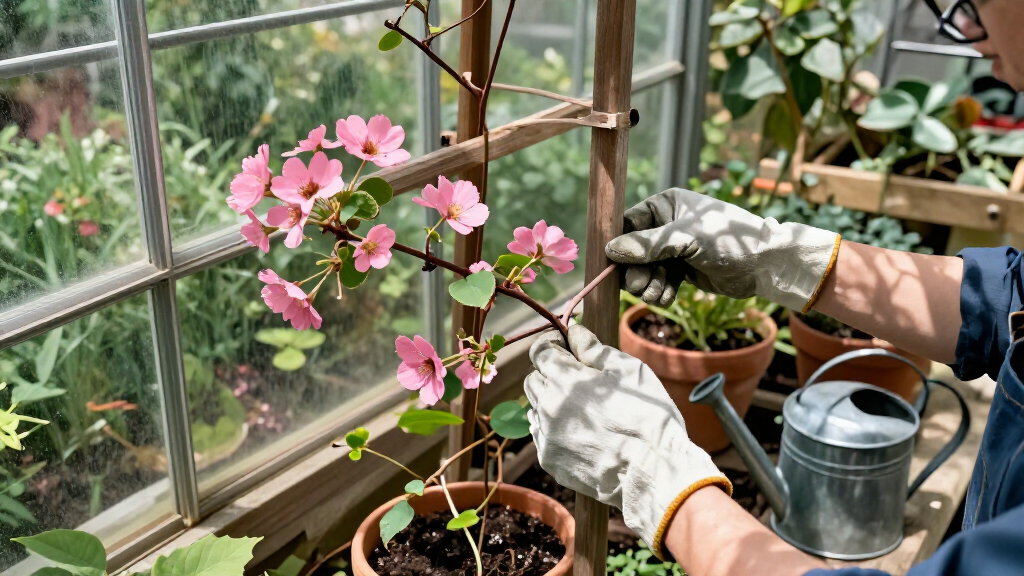
How We Picked
I ranked these vines by how well their stated form and traits answer common garden needs: reliable ornamental impact, practical establishment, bloom character, and fit for different spaces. I gave an advantage to live plants when they offer a meaningful head start over seeds, but seed options rank well when they bring useful color, fragrance, or seasonal flexibility. Evergreen foliage, fragrant blooms, and a clear role in the garden also influenced placement.
The ranking reflects tradeoffs, not a claim that one vine suits every garden. I weighed maintenance and growth habit alongside appeal: a vigorous climber may deliver a dramatic display but needs sturdy support and regular control, while a seed-grown annual is easier to place yet may need to be restarted. Climate suitability and mature size vary by growing conditions, so buyers should check local guidance and the seller’s planting details before choosing. The order favors versatile options first, then vines with a more specific use or a longer path to flowering.
Factors to Consider When Choosing Best Flowering Vines
Before choosing a flowering vine, match the plant to the place it will grow and the level of care you can give it. These broader decisions often matter more than flower color alone.
Match the Vine’s Life Cycle to Your Garden Plan
Annual vines can fill a trellis quickly during one growing season, but they will not provide the same year-to-year coverage as a perennial. Perennials and woody vines can become lasting features, though they may take time to establish and can be harder to relocate. Decide whether you want a repeatable seasonal display or a permanent screen before buying. A common mistake is treating a fast-growing annual and a long-lived vine as interchangeable just because both climb. If you rent, garden in containers, or want to experiment with color, seeds can offer more flexibility. For a permanent arbor or fence, choose a vine whose mature growth and upkeep suit the structure.
Check Climate Fit Before Choosing by Bloom Color
Hardiness and heat tolerance shape whether a vine returns, thrives, or needs protection. A plant suited to a warm climate may struggle through a cold winter, while a vine that handles winter may still need shade or moisture in a hot, exposed spot. Look up the plant’s recommended growing zones and compare them with your local conditions, including microclimates near walls and paved areas. Do not assume a protected patio makes a tender vine hardy outdoors all year. Container growing can make it easier to move a plant, but it adds watering and winter-care demands. When conditions are uncertain, favor a vine with guidance that matches your region rather than choosing on appearance alone.
Plan Support for Mature Weight and Climbing Style
Flowering vines do not all climb in the same way, and their supports need to match both their attachment style and eventual weight. Twining stems need narrow bars or wires they can wrap around, while heavier woody growth calls for a strong, well-anchored structure. A lightweight garden trellis may be fine for a seasonal vine but can fail under years of growth. Check the mature size, not just the dimensions of the young plant in its pot. Give vines room to spread without letting them cover gutters, siding, or neighboring plants. Installing suitable support before planting avoids disturbing roots later.
Choose Between Seeds and Live Plants by Patience and Timing
Seeds usually provide more plants per purchase and make it easy to start a vine where you want it, but germination and time to bloom can vary. Live plants reduce the early growing steps and can give a display sooner, though small nursery plants still need careful establishment. Read planting directions for sowing depth, temperature, and timing rather than starting every seed indoors by habit. Buying seeds late in the season may leave too little time for an annual vine to flower well. A larger live plant can be worthwhile when you need quicker coverage, while seeds make sense when you have time and want to fill several supports. Neither format removes the need for suitable light, water, and support.
Decide How Much Pruning and Containment You Can Manage
A vigorous vine can cover a support beautifully, but that same growth can crowd nearby plants or reach places you did not intend. Find out when and how the particular vine should be pruned; cutting at the wrong time can reduce flowering or damage the plant. Ask whether it spreads by runners or self-sows, since those habits affect how much containment the garden needs. Avoid planting a powerful climber beside a small structure unless you are ready to keep it in bounds. If you prefer low-intervention gardening, choose a manageable plant and give it enough room from the start. Regular light pruning is often easier than reclaiming a neglected vine.
Prioritize Fragrance, Evergreen Coverage, or Seasonal Color
Flower color is only one part of the experience: fragrance, bloom timing, and foliage coverage can matter just as much. A night-blooming or strongly scented vine may be most rewarding near a seating area, while an evergreen option can soften a view beyond its flowering season. If the goal is a brief burst of color, a seasonal vine may be a better match than a permanent screen. Check when flowers typically appear in your climate, because a vine that blooms at a different time from your outdoor use may disappoint. Consider whether you want flowers visible by day, fragrance in the evening, or foliage that stays attractive between bloom periods. Choosing the main benefit first helps narrow the field without overvaluing a single photograph.
Frequently Asked Questions
Which flowering vine is the better choice for year-round foliage?
Choose a vine described as evergreen and confirm that it stays evergreen in your local climate. In this lineup, Carolina Jasmine and Confederate Jasmine are the relevant options to compare for foliage coverage, but their performance can vary with winter conditions. A cold snap may cause leaf loss even where a plant is generally considered evergreen. If screening is the main goal, ask how much coverage the vine keeps through the coldest part of your year. For a dependable screen, also consider planting location and the time needed for the vine to fill its support.
Should I buy seeds or a live flowering vine if I want blooms sooner?
A live plant generally skips some of the early growing stages, making it the more direct choice when a quicker start matters. It may still need a season or more to establish before producing its fullest display. Seeds offer flexibility and can be a good fit when you have time to start plants at the right season. Germination, weather, and care all affect how quickly a seed-grown vine flowers. Compare the seller’s plant size and growing directions rather than assuming every live plant is already mature.
Can I grow a flowering vine in a container on a patio?
Many vines can grow in containers if the pot is large enough for root growth and the plant has suitable drainage and support. Smaller or seasonal vines are often easier to manage in a pot than vigorous woody climbers. Container plants dry out faster than garden soil, so regular watering may be needed during warm weather. Check the vine’s mature size and whether it needs winter protection before committing to a permanent patio spot. A sturdy, freestanding trellis can prevent a container from tipping as the vine grows.
Which vines in this roundup are best suited to a fragrant garden?
Carolina Jasmine, Confederate Jasmine, moonflower, and some honeysuckles are the fragrance-oriented choices in this selection. Their scent and bloom timing differ, so think about whether you want fragrance during the day, in the evening, or near a walkway. Night-blooming flowers can be a better fit beside an outdoor seating area used after sunset. Fragrance strength can vary with weather and location, so avoid relying on scent alone to choose a plant. Check the individual listing and local growing guidance for expected flowering conditions.
How do I avoid choosing a vine that overwhelms my trellis?
Check the mature growth habit and likely weight before planting, then compare those needs with the strength and anchoring of your support. A light decorative trellis may suit a seasonal vine but may not hold a mature woody climber. Leave room for pruning access and keep the vine away from gutters, rooflines, and plants that could be smothered. If you cannot maintain frequent pruning, favor a more restrained option or a container that limits its growing area. Installing a stronger support at the outset is easier than replacing one after the vine becomes established.
Conclusion
For the best overall balance, choose Carolina Jasmine if evergreen foliage and fragrant blooms fit your climate and planting space. For value and seasonal flexibility, choose a seed-grown option such as cardinal climber or Heavenly Blue morning glory, while accepting the wait and growing steps. For a premium head start, Blue Moon Wisteria is the established-plant pick, though its size and support needs call for careful planning. For beginners, Jackmanii clematis offers a live-plant route to a clear color payoff without starting from seed. For specific needs, select moonflower for evening blooms, honeysuckle for a perennial climber, or pink mandevilla for warm-season container color. Match the vine to your climate, support, and maintenance appetite before deciding.
Halloween Picks
halloween
As an affiliate, we earn on qualifying purchases.