TL;DR

Get garden gear delivered free with Prime
- Fast, free delivery on millions of items
- Prime Video, Amazon Music and more included
- Member-only deals all year
This fall, gardeners can plant five self-pollinating fruit trees that do not require a second tree for pollination. These varieties offer a simple way to grow abundant fruit with minimal planting effort, making home orchards more accessible.
Home gardeners and orchard enthusiasts can now consider planting five self-pollinating fruit tree varieties this fall, as these trees do not require a second tree for pollination and can produce abundant fruit on their own. This development simplifies orchard planning and expands options for those with limited space or resources, making fruit cultivation more accessible.
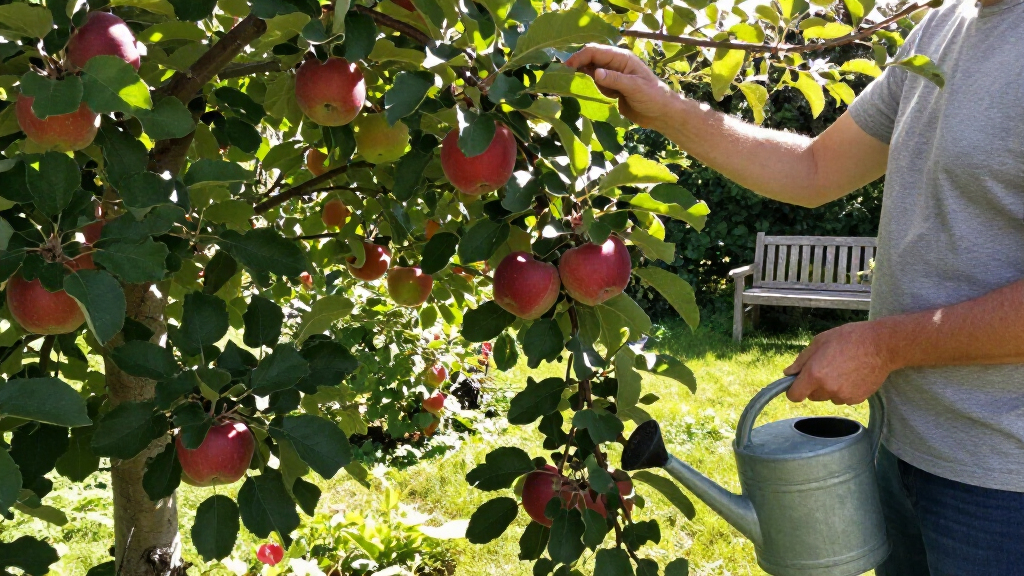
The five fruit tree varieties identified as self-pollinating are apple, cherry, plum, peach, and apricot trees. According to horticultural sources, these trees are capable of setting fruit independently, eliminating the need for multiple trees for cross-pollination. Nurseries and gardening experts highlight that planting a single self-pollinating tree can result in a significant harvest, sometimes comparable to traditional multi-tree orchards.
Experts recommend planting these trees in the fall because it allows roots to establish before winter, leading to healthier growth in the spring. The trees are suitable for a range of climates and are available in various cultivars to suit different tastes and growing conditions. Gardeners should ensure proper site selection, soil preparation, and watering to maximize success.
While these trees are promoted as self-pollinating, some varieties may still benefit from nearby pollinators or other compatible trees for optimal fruit production. However, the key advantage remains that a single tree can produce fruit without needing a partner, simplifying planting and maintenance.
Implications for Home Gardeners and Small Orchards
The availability of self-pollinating fruit trees changes the landscape for home growers, particularly those with limited space or new to orchard cultivation. These trees reduce the need for planting multiple varieties, lowering costs and complexity. For urban gardeners or those with small yards, a single self-pollinating tree can provide fresh fruit without the logistical challenges of managing a multi-tree orchard.
This development also encourages more people to grow fruit at home, promoting local food production and reducing reliance on store-bought produce. It supports sustainable gardening practices by making fruit cultivation more straightforward and accessible.
As an affiliate, we earn on qualifying purchases.
Background on Self-Pollinating Fruit Trees
Most traditional fruit trees require cross-pollination from a different variety to produce fruit, often necessitating planting multiple trees. This has been a barrier for small-scale growers and urban gardeners. Recent horticultural research and breeding efforts have led to the development of self-pollinating or self-fertile varieties, which can set fruit on their own.
Nurseries have increasingly stocked these varieties over the past decade, emphasizing their ease of cultivation. Experts note that some self-pollinating trees are not entirely independent and may benefit from nearby pollinators, but they generally require only one tree to produce fruit.
The current promotion of five specific varieties for fall planting reflects ongoing efforts to expand options for gardeners seeking simpler, more reliable fruit production methods.
Remaining Questions About Self-Pollinating Trees
While these trees are marketed as self-pollinating, the extent of their fruit yield without additional pollinators or trees remains to be fully confirmed across different climates and cultivars. Some experts suggest that certain varieties may still benefit from nearby pollinators for optimal production, but definitive data on yield consistency is limited. Additionally, long-term performance and adaptability in various soil and weather conditions are still being studied.
Next Steps for Gardeners and Nurseries
Gardeners interested in planting these self-pollinating varieties should consult local nurseries for availability and cultivar recommendations suited to their climate. Observing the trees’ performance over the next growing season will provide practical insights into their productivity. Nurseries and researchers are expected to continue evaluating these trees’ yields and adaptability, potentially expanding the list of recommended varieties in future seasons.
Further research and field trials will clarify how well these trees perform in different environments, guiding best practices for planting and care.
Key Questions
Are self-pollinating fruit trees truly independent for fruit production?
Most self-pollinating trees can produce fruit on their own, but some varieties may still benefit from nearby pollinators for higher yields. It varies by cultivar and environment.
Which fruit trees are included in the fall planting promotion?
The promoted varieties include apple, cherry, plum, peach, and apricot trees, all capable of self-pollination.
Can I plant these trees in a small yard or container?
Yes, many self-pollinating varieties are suitable for small yards and container gardening, provided they have adequate space, sunlight, and proper soil conditions.
Do these trees require special care or soil conditions?
Standard care includes well-drained soil, adequate watering, and proper pruning. Specific cultivar requirements should be checked with the nursery.
When is the best time to plant these trees?
Fall is recommended for planting, as it allows roots to establish before winter, leading to healthier growth in spring.
Source: rss
Columbus Day / Indigenous Peoples' Day Picks
long weekend sales
As an affiliate, we earn on qualifying purchases.