
TL;DR

Get garden gear delivered free with Prime
- Fast, free delivery on millions of items
- Prime Video, Amazon Music and more included
- Member-only deals all year
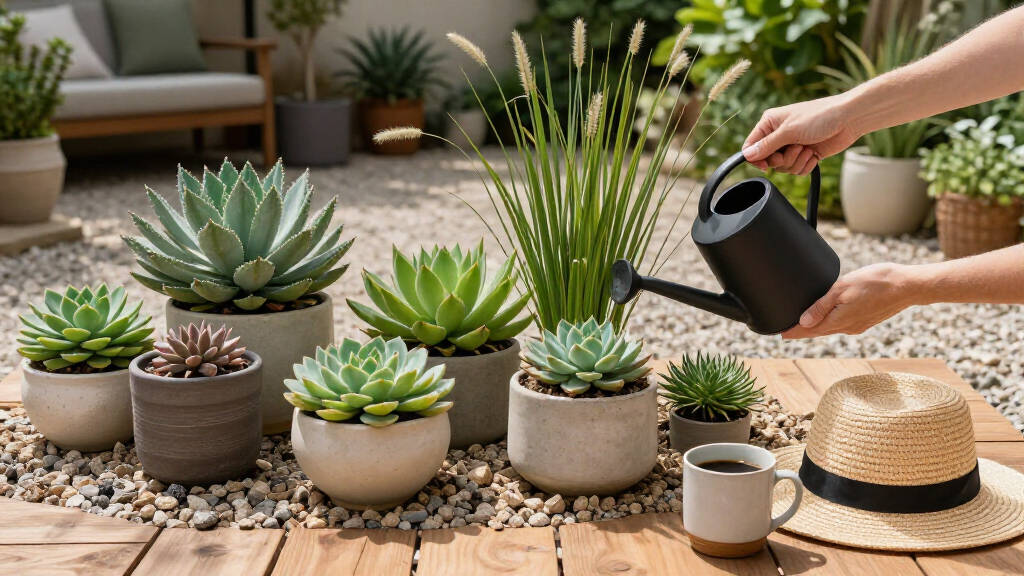
Landscape designers are adopting nine innovative techniques to develop drought-tolerant gardens that cut water consumption while maintaining aesthetic appeal. These methods are confirmed and gaining popularity among homeowners and professionals alike.
Landscape designers are increasingly implementing nine proven techniques to create drought-tolerant gardens that require less water without compromising visual appeal. These strategies are confirmed through recent expert guidance and are gaining traction as water scarcity concerns intensify, making them highly relevant for homeowners and professionals seeking sustainable landscaping solutions.
According to a recent article, nine specific landscape-design tricks have been identified as effective in reducing water use in gardens while maintaining aesthetic quality. These include selecting drought-tolerant plants, optimizing soil conditions, and employing smart irrigation techniques. Experts emphasize that these methods are not only environmentally beneficial but also cost-effective in the long term.
One key technique involves choosing native and adapted plants that naturally require less water, which has been confirmed by landscape architects. Additionally, the use of mulch and soil amendments helps retain moisture, reducing the need for frequent watering. Drip irrigation and smart timers are also recommended to deliver precise watering, avoiding waste. These confirmed strategies align with sustainable landscaping trends and are supported by recent case studies showing significant water savings.
While these tricks are proven, some claims about their universal effectiveness depend on local climate and soil conditions. Experts advise homeowners to tailor these approaches to their specific environments and consult local landscaping professionals for optimal results.
Impact of Water-Saving Landscape Strategies
Implementing these nine landscape-design tricks can lead to substantial reductions in water consumption, helping address ongoing drought conditions and water shortages. For homeowners, adopting these techniques not only supports environmental conservation but also reduces utility bills. For communities, widespread use of drought-tolerant landscaping can lessen strain on municipal water supplies and promote sustainable urban environments. The confirmed effectiveness of these methods underscores their importance in future-proofing gardens against climate variability and resource scarcity.
drought-tolerant plants for gardens
As an affiliate, we earn on qualifying purchases.
As an affiliate, we earn on qualifying purchases.
Recent Trends in Sustainable Landscaping
Over the past decade, there has been a marked shift towards sustainable landscaping practices, driven by increasing awareness of water scarcity and climate change. Experts note that drought-tolerant gardens are becoming more popular in arid and semi-arid regions, with landscape designers adopting innovative techniques. Recent studies and case reports confirm that these nine tricks are among the most effective strategies currently recommended by professionals. The trend aligns with broader efforts to promote environmentally responsible gardening that conserves water and reduces maintenance costs.
Previous initiatives focused on simple plant selection, but recent developments emphasize integrated approaches combining soil health, irrigation technology, and plant diversity. These confirmed methods are now standard in many professional landscaping projects aimed at drought resilience.
Effectiveness Varies by Climate and Soil Conditions
While these nine tricks are confirmed to be effective in many cases, their success can vary depending on local climate, soil type, and garden size. Some claims about universal applicability are still subject to further testing and regional adaptation. Experts advise homeowners to consider local conditions and seek professional advice to optimize results.
Wider Adoption and Professional Guidelines
As awareness of drought-resistant landscaping grows, more homeowners and landscapers are expected to adopt these techniques. Future developments may include refined guidelines tailored to specific climates and ongoing innovations in irrigation technology. Local governments and environmental agencies might also promote these strategies through incentives and educational programs to encourage widespread implementation.
Key Questions
Are these drought-tolerant landscaping tricks suitable for all regions?
While effective in many areas, the success of these strategies depends on local climate and soil conditions. Consulting with local landscaping professionals is recommended to tailor approaches accordingly.
Do these techniques require significant upfront investment?
Some methods, like soil improvements and native plant selection, are low-cost, while smart irrigation systems may involve higher initial expenses. However, long-term water savings often offset the costs.
Can these tricks be applied to existing gardens?
Yes, many strategies, such as mulching, soil amendments, and planting drought-tolerant species, can be integrated into existing landscapes to improve water efficiency.
How much water can these techniques save?
Water savings vary, but professional studies and case reports indicate reductions of up to 50% or more in some implementations, depending on the specific strategies used.
Source: rss
Fall yard work Picks
leaf blowers
As an affiliate, we earn on qualifying purchases.