
TL;DR

Get garden gear delivered free with Prime
- Fast, free delivery on millions of items
- Prime Video, Amazon Music and more included
- Member-only deals all year
A Gardening Know How report says home gardeners can grow saffron from Crocus sativus corms in a sunny, well-drained spot, with flowers typically appearing in autumn. The spice comes from the flowers’ red stigmas, which are harvested and dried by hand; drainage, correct plant identification and careful storage matter.
A Gardening Know How report outlines how home gardeners can grow Crocus sativus, the autumn-flowering plant whose red stigmas are harvested as saffron. The guide says a sunny, well-drained planting site is the main requirement, while the labor-intensive harvest helps explain why saffron is costly to buy.
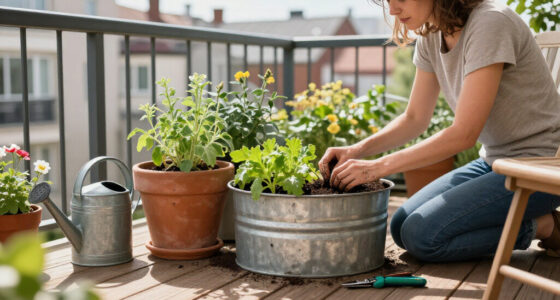
Saffron crocus grows from corms, which the report recommends planting about 4 to 6 inches deep and 3 to 4 inches apart, pointed end up. August or September is the usual planting period, although October may work. The plant is described as suitable for USDA hardiness zones 4 through 8; in zone 4, the report stresses that the soil must drain especially well. Container growing is also possible, provided pots are around a foot wide and are kept on the ground over winter.
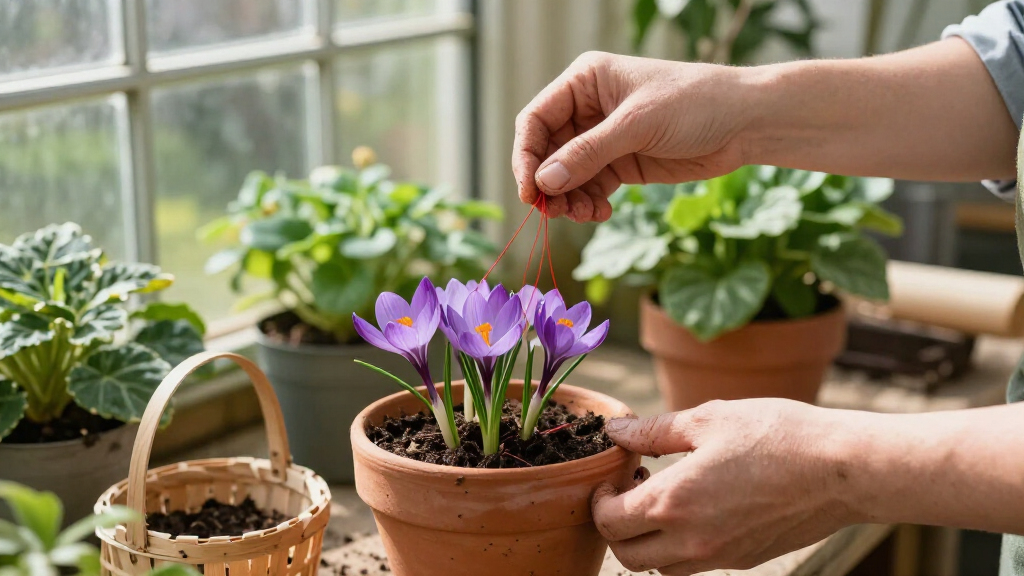
Each flower has three slender red stigmas, the parts used as saffron. The report says roughly 150 flowers yield one gram of dried threads, and that the stigmas are picked by hand. Flowers generally open in October or November. For harvesting, it recommends waiting until morning dew has dried, then removing the red stigmas while leaving the yellow stamens behind. Threads need to dry fully before storage in a tightly sealed container away from light.
Several growing mistakes can damage a crop. Soggy soil can rot corms, summer irrigation may keep dormant plants too wet, and foliage should be left until it yellows naturally because it feeds the corms. The report also warns gardeners to distinguish saffron crocus from poisonous autumn crocus, Colchicum autumnale. Only plants correctly identified as Crocus sativus should be harvested for food.
From Autumn Flowers to Saffron
Growing saffron at home offers gardeners a way to harvest a prized culinary spice from a relatively small planting, but the yield depends on handwork. The reported figure of about 150 flowers per gram makes clear why a few flowers will produce only a small amount. The report says corms multiply over time, potentially creating a larger harvest in later years, though a first season may be modest.
The guidance also matters for safety. Plant identification is essential because autumn crocus can be poisonous and is sometimes sold under names that resemble saffron or meadow saffron. The source further cautions that saffron may be unsuitable during pregnancy and may interact with some medicines, including those for blood pressure or diabetes. Readers with health concerns should consult a medical professional before consuming it.
As an affiliate, we earn on qualifying purchases.
Planting and Harvest Timing
The report describes saffron crocus as a fall-blooming crocus whose flowers appear after foliage begins to emerge. Gardeners can plant corms in a border, lawn or container, but drainage is a consistent requirement. Heavy clay that holds water may call for a raised bed; in colder areas, a sheltered sunny position may help container plants overwinter.
After planting, the report advises watering the corms once and letting rainfall provide moisture in most cases. It says voles and squirrels may dig them up, so a protective mesh barrier can help. Deer may browse the winter leaves, for which netting is suggested. The foliage should remain in place until it yellows, and the report advises avoiding fresh manure and heavy nitrogen applications.
““Good drainage is the key to growing these corms successfully in all zones.””
— Gardening Know How report
Yield Depends on Growing Conditions
The report does not provide a measured yield for a typical home planting or specify how many corms a gardener would need for a particular amount of spice. Actual flowering and harvest size will depend on conditions and the corms themselves. It says some newly planted corms may not flower until the second year, so a limited first harvest is possible.
The source also does not give a publication date or report independent testing of its growing recommendations. Its timing guidance is seasonal rather than tied to a specific current planting calendar. Gardeners should check local conditions and confirm plant identity with a reliable supplier before harvesting any flowers for food.
Care Through the First Seasons
For gardeners following the report, the next steps are to plant correctly identified corms in late summer or early autumn, maintain well-drained soil and protect them from animals where needed. The plants can then be watched for flowers in October or November, with leaves left to yellow naturally after flowering.
When flowers appear, the stigmas can be collected, dried completely and stored away from light. The report says a new batch is commonly left for about a month before use. Since corms may multiply and some may take until their second year to flower, the size of later harvests will become clearer over successive growing seasons.
Key Questions
When should saffron crocus corms be planted?
The report names August or September as the usual planting time, with October described as a possible later option. Local climate and soil conditions may affect results.
How many flowers produce a gram of saffron?
According to Gardening Know How, approximately 150 flowers yield one gram of dried saffron threads. The threads are the flowers’ three red stigmas and are picked by hand.
Can saffron crocus grow in a pot?
Yes. The report says to use a container roughly one foot (30 cm) across and keep it on the ground over winter. The potting medium must drain well.
Is autumn crocus the same plant as saffron crocus?
No. The report warns that Colchicum autumnale, often called autumn crocus, is poisonous. Harvest only plants verified as Crocus sativus.
Are there cautions about eating homegrown saffron?
The source advises against consuming saffron during pregnancy and says it may interact with blood-pressure and diabetes medicines. Anyone with medication or health concerns should consult a doctor before use.
Source: rss
Halloween Picks
halloween
As an affiliate, we earn on qualifying purchases.