
TL;DR
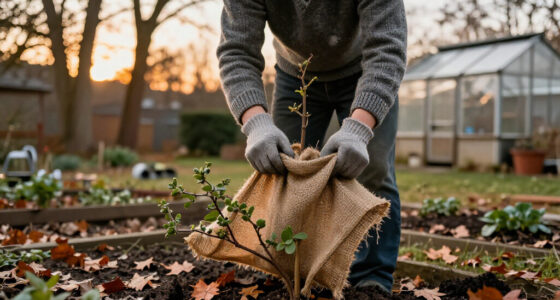
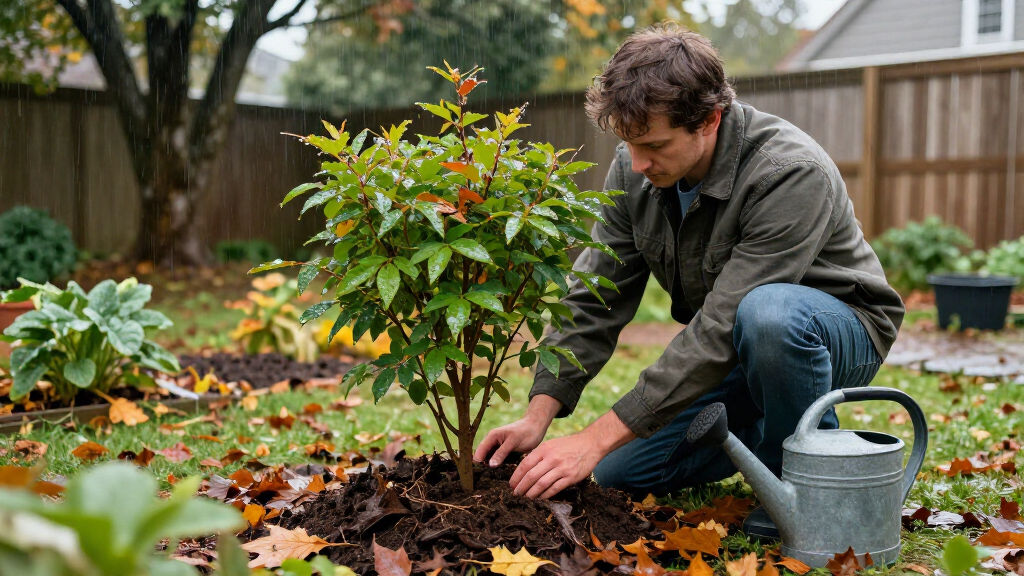
A Gardening Know How report says fall rain may not sufficiently water trees and shrubs planted within the past 6–12 months. Their root balls can stay dry even when nearby soil and mulch look damp, so gardeners should check moisture and continue watering as needed until the ground freezes.
Gardening Know How warns that fall rain may not adequately water trees and shrubs planted in the past 6–12 months. The report says water can wet mulch and the surrounding soil while leaving a plant’s root ball dry, which may weaken establishment before winter.

Get garden gear delivered free with Prime
- Fast, free delivery on millions of items
- Prime Video, Amazon Music and more included
- Member-only deals all year
The report distinguishes new plantings from established trees and shrubs. Older plants with roots spread through native soil may tolerate a dry spell more readily, while recently transplanted plants can remain dependent on the nursery root ball for months. That root ball may dry faster than nearby soil, particularly when its potting mix differs from heavier clay or loam around it.
Rainfall that darkens mulch or wets the top layer of soil does not necessarily reach the roots. The report says some water may evaporate or run off, and evergreen foliage can deflect rain outward. A damp-looking yard, therefore, is not proof that a new plant has received enough water.
According to the article, tree and shrub roots may continue growing while soil temperatures remain above 40°F (4°C), sometimes for weeks after the first hard frost. It advises maintaining moisture until the soil freezes, while checking conditions rather than relying on the appearance of the surface.
Why Root Ball Moisture Matters
Insufficient moisture can interrupt root growth and leave new plants less prepared for winter. The report links dry conditions with root injury, frost-heaving and freeze damage. For evergreens, which continue losing water through their foliage on bright or windy winter days, a dry root ball can limit the plant’s ability to replace that lost moisture and contribute to winter burn.
The effects may not be visible right away. Gardening Know How says a plant with damaged roots can leaf out in spring using stored reserves, then struggle or die later when warmer weather increases its water needs. That delay makes fall care easy to overlook when diagnosing a plant’s decline months afterward.
For gardeners, the practical point is that rainfall totals and surface appearance can be misleading. Checking soil moisture near the root ball gives a better indication of whether a newly planted tree or shrub needs water. The report does not give a universal watering amount or schedule; conditions differ by plant, soil and weather.
Popular right now

Shark PowerPro Reveal Plus Cordless Stick Vacuum, Charcoal (IZ376H)

Bose QuietComfort Wireless Noise-Cancelling Headphones, Twilight Blue

Bose QuietComfort Ultra Headphones (2nd Gen), Wireless Noise-Cancelling Over-Ear Headphones, Driftwood Sand
As an affiliate, we earn on qualifying purchases.
New Plantings Face Different Conditions
The article explains why advice for established plants may not apply to a recent transplant. A mature tree’s roots can extend through surrounding native soil, while a young plant’s roots may remain concentrated in the original root ball. Water does not always move evenly across the boundary between nursery mix and native soil, so damp soil beside the root ball may not mean the root ball itself is moist.
Cooler autumn weather does reduce water loss from leaves, and established plants may have access to a larger area of soil moisture. But the source says roots of new plantings can still grow in cool soil, provided temperatures remain above the stated threshold. It presents fall watering as support for that establishment period, not as a claim that every plant needs the same amount of water.
The report also describes winter conditions that can compound dry soil. It says moist soil can help moderate temperature changes around roots, while repeated freezing and thawing in dry soil can contribute to frost-heaving. Mulch may help retain existing soil moisture, but the article cautions that mulch cannot establish whether the root zone is already wet.
““The yard may look watered, but the root ball often remains bone dry.””
— Gardening Know How
Water Needs Vary by Site
The source does not specify a watering volume, frequency or method that applies to all new trees and shrubs. It also does not set out a soil-testing procedure or account for differences in rainfall, drainage, plant size and local climate. Its advice is general seasonal guidance, so readers must assess conditions around each plant.
The report’s supplied text does not identify a named horticultural expert or provide independent research citations for its temperature thresholds and descriptions of root damage. Those points are presented as the publication’s guidance. The text also ends mid-sentence, so any additional recommendations in the original article are not available here.
Check Moisture Before Winter
Gardeners with recent plantings can check the soil at the root ball rather than judging by wet mulch, pavement or nearby ground. If the root zone is dry and the soil is not frozen, water as appropriate for the plant and site. Continue checking through fall, since one shower may not keep the root ball moist until winter.
As temperatures fall, root growth slows and eventually stops when the soil freezes. Until then, the report’s guidance is to keep newly planted shrubs and trees from entering winter dry. The source offers no fixed calendar date for stopping: local soil conditions and weather determine when watering is no longer practical.
Key Questions
Is fall rain enough for a newly planted tree or shrub?
Not necessarily. Gardening Know How says light rain may wet the surface without reaching the root ball. Check moisture around the root zone instead of relying on how damp the mulch or surrounding soil looks.
How long should I keep watering a new planting in fall?
The report advises maintaining adequate moisture until the ground freezes. It gives no universal schedule or water volume, so conditions at the plant and in the soil matter.
Why can the root ball be dry when nearby soil is wet?
Nursery potting mix can have a different texture from native soil and may drain at a different rate. The report says this boundary can leave the root ball drier than the surrounding ground.
Can dry fall soil damage an evergreen over winter?
The article says evergreens continue losing water through their foliage during bright or windy winter weather. If frozen roots cannot replace it, foliage can suffer winter burn.
Source: rss