
TL;DR

Get garden gear delivered free — and shop member deals
- Fast, free delivery on millions of items
- Access to Prime Big Deal Days deals on October 6–7
- Prime Video, Amazon Music and more included
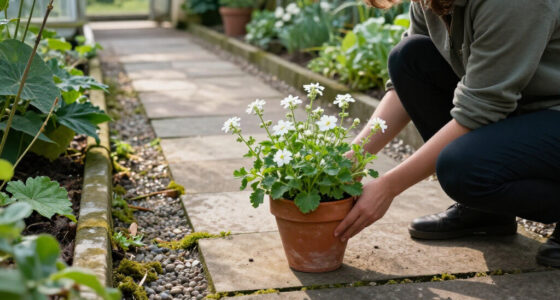
A Gardener’s Path growing guide says primroses and polyanthus do best in cool conditions, fertile well-drained soil and consistent moisture. It recommends planting in autumn, keeping crowns just above soil level, and providing shade from hot afternoon sun as temperatures rise.
Primroses and polyanthus can bring flowers to gardens from late winter into spring, and a Gardener’s Path growing report recommends planting them in autumn in cool, moist conditions. The advice matters to gardeners looking for early-season color: these plants need fertile, well-drained soil and protection from hot afternoon sun, while their performance in hot, humid summers can be limited.
The report identifies primroses as Primula species and polyanthus as the hybrid Primula × polyantha. Primrose flowers typically sit on short stems above low rosettes of crinkled foliage; polyanthus flowers grow in clusters, or umbels, on sturdier stalks. Depending on species and climate, plants are generally suited to USDA hardiness zones 3 to 8 and may flower from late winter through late spring.
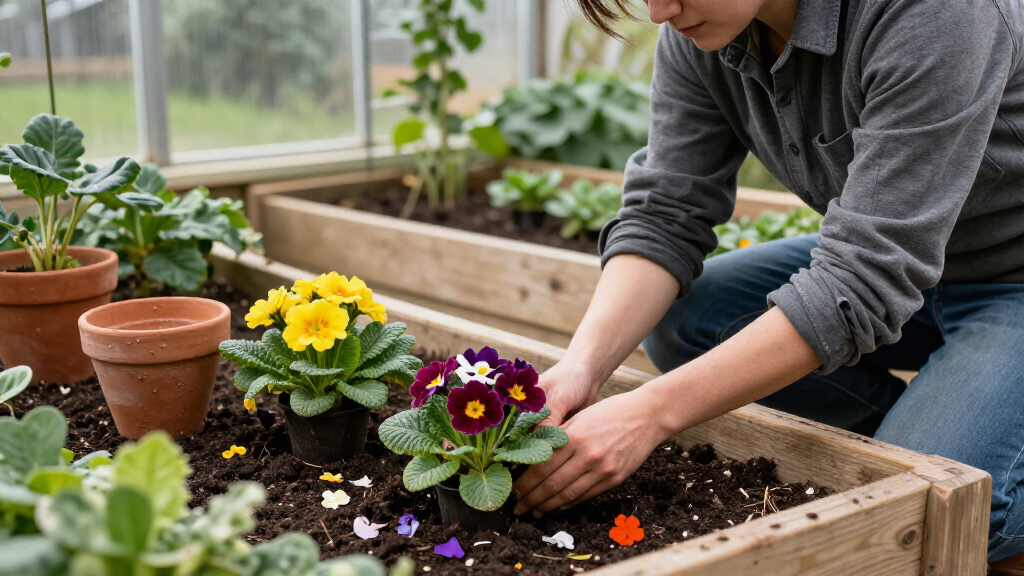
For autumn planting, the guide advises choosing a site with fertile, humus-rich, well-draining soil and loosening the ground about 12 inches deep and wide. It recommends adding organic matter such as compost or leaf mold, improving drainage where needed, and placing each plant with its crown just above the soil surface. Space plants six to 12 inches apart, then add a one- to two-inch mulch layer while keeping mulch away from the crown.
Care centers on moisture and seasonal light. The soil should stay lightly moist, not waterlogged; the report estimates about one inch of water per week for garden plants, with container plants checked when the top inch of soil dries. Primroses can take full sun in spring but benefit from partial shade as the weather warms, particularly from intense afternoon sun. The guide describes them as cool-weather plants that may struggle in hot summers and high humidity.
Early Flowers Need Cool Conditions
For gardeners, the practical value of the guidance is its timing: autumn planting gives primroses and polyanthus time to establish before their early-season display. Their flowers can add color when fewer other garden blooms are available, and the source says they provide nectar for early-season pollinators.
The advice also sets realistic expectations. These plants are not equally suited to every summer climate: although the report lists a broad hardiness range, it says heat and high humidity can cause plants to wither. Gardeners in such conditions may treat them as seasonal annuals rather than expect them to thrive year after year.
As an affiliate, we earn on qualifying purchases.
Primrose Forms and Flowering Season
The source describes primroses and polyanthus as herbaceous plants native to temperate regions of the Northern Hemisphere. Primroses generally form low foliage rosettes and flowers on shorter stems, while polyanthus hybrids have clusters on stalks that may rise above the leaves. The report notes a range of flower colors, including pastel and saturated shades, as well as some bicolors.
Flowering dates vary with local conditions. In mild-winter areas, blooms may appear as early as December, while the wider flowering period runs from late winter into late spring. The source recommends planting outdoors in autumn, at least six weeks before the first frost, and says plants can reach about 12 inches tall and 18 inches wide.
Local Timing and Summer Survival
The source does not give a publication date, identify a specific growing location, or provide regional planting calendars. Its advice is general, so the best planting date and watering frequency may vary with local frost dates, rainfall, soil and container size. The report’s estimate of about one inch of water weekly is guidance, not a measurement for every garden.
It also does not specify how reliably particular cultivars survive summer heat or humidity. Although it gives a general hardiness range, species and local conditions differ; readers should not assume that every primrose or polyanthus will perform alike across that range.
Match Care to Local Conditions
Gardeners can apply the guide by checking local frost timing, selecting a cool site with suitable drainage, and planting in autumn with the crown above soil level. After planting, monitor the soil and keep it evenly moist without waterlogging, adjusting for rain and container conditions.
As spring temperatures rise, watch for strong afternoon sun and provide partial shade where needed. In areas with hot, humid summers, gardeners may need to treat the plants as annuals; the source offers no cultivar-specific promise of survival. No further announcement or scheduled update is identified in the supplied material.
Key Questions
When should primroses and polyanthus be planted?
The report recommends planting in autumn, at least six weeks before the first frost, so plants have time to establish before flowering.
How much water do primroses need?
Keep garden soil lightly moist but not waterlogged. The guide gives about one inch of water per week as a general estimate. For containers, check the top inch of soil and water when it is dry.
Do primroses need full sun?
They can grow in full sun during spring, but the report recommends partial shade from hot afternoon sun as temperatures warm. Light needs can vary with summer conditions.
Can primroses survive hot summers?
The source says primroses may struggle in hot summers and high humidity and suggests growing them as annuals in such areas. It does not provide cultivar-specific guidance on summer survival.
Source: rss
Halloween Picks
halloween
As an affiliate, we earn on qualifying purchases.