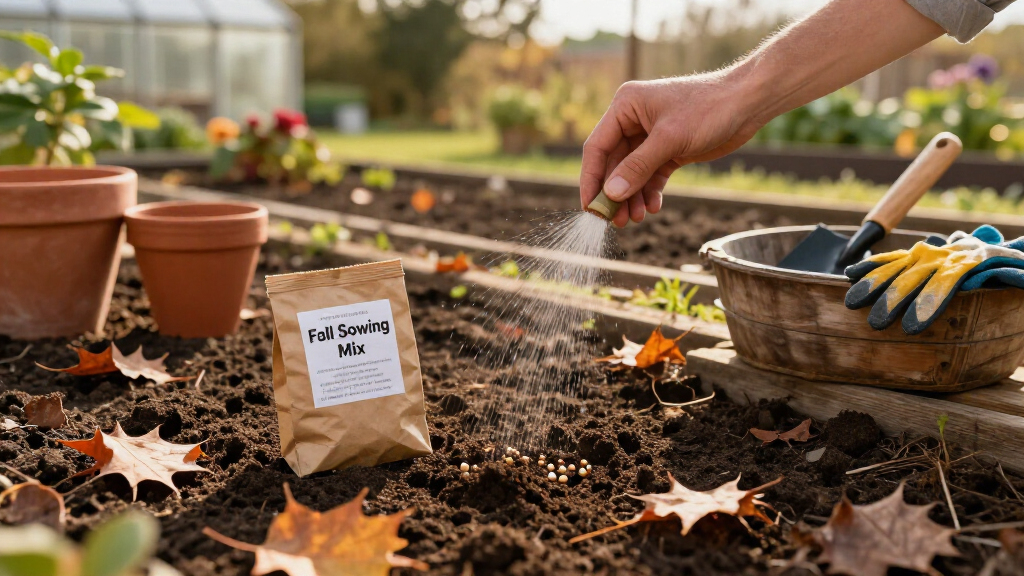

Fall sowing works best with seeds that either germinate in cool soil or overwinter and explode into bloom the following spring — and that requirement immediately narrows the field. My top overall pick is the Cool Season Flower Seeds 10-Variety Collection, because it was assembled specifically for early spring and fall color rather than repurposed from a generic mix. The 1,600 Swiss Giants Pansy seeds take the best single-species slot for immediate fall blooms, while the Eden Brothers Perennial Wildflower Mix wins for large-area, low-effort planting. The main tradeoff in this category is instant color this fall versus established perennials next year, plus seed count versus actual variety suitability. Read on for the full ranked breakdown.

Get garden gear delivered free — and shop member deals
- Fast, free delivery on millions of items
- Access to Prime Big Deal Days deals on October 6–7
- Prime Video, Amazon Music and more included
Complete the kit


Key Takeaways
- Only about half of the ‘fall planting’ products I looked at contain species that actually tolerate cool-soil germination — pansies, black eyed Susans, and New England asters were the true cold-season performers, while generic wildflower blends needed scrutiny.
- Single-species packs like the Swiss Giants and Black Eyed Susan options deliver far more viable seed per dollar than variety packs, but they trade away season-long bloom diversity.
- The 10-variety Cool Season Collection ranked highest because curation for cool weather — not raw seed count — is the strongest predictor of fall sowing success.
- Pansy-focused products (three made the list) are the safest bet for beginners since they germinate reliably in cool soil and bloom the same season.
- Bulk wildflower mixes are best treated as long-game investments: expect patchy results this fall but stronger perennial coverage in year two.
| 1,600 Swiss Giants Pansy Heirloom Flower Seeds – Viola Wittrockiana, Mixed Colors, Perennial |  | Best Overall | Seed Count: 1,600 | Brand: KVITER | Plant Type: Pansy (Viola wittrockiana), perennial | VIEW LATEST PRICE | See Our Full Breakdown |
| Cool Season Flower Seeds for Planting – 10 Variety Heirloom Ornamentals Collection for Early Spring & Fall Color |  | Best Variety Pack | Seed Varieties: 10 (pansy, sweet pea, snapdragon, alyssum, calendula, forget-me-not, ornamental kale, phlox, stock) | Seed Type: Heirloom, non-GMO, open-pollinated, untreated | USDA Hardiness Zones: 3–9 | VIEW LATEST PRICE | See Our Full Breakdown |
| 600 New England Aster Heirloom Flower Seeds (Aster Novae-Angliae) |  | Best for Late-Fall Pollinator Color | Seed Count: 600 seeds | Variety: New England Aster (Aster novae-angliae) | Plant Type: Perennial | VIEW LATEST PRICE | See Our Full Breakdown |
| Eden Brothers Perennial Wildflower Seed Mix, 1/4 lb |  | Best for Large-Area Planting | Seed Type: Perennial wildflower mix, 100% pure seed | Quantity: 1/4 lb | Number of Species: 19 | VIEW LATEST PRICE | See Our Full Breakdown |
| Fall Blooming Mix of Wildflower Seeds – Marde Ross & Company |  | Best Value for Direct Fall Sowing | Brand: Marde Ross & Company | Seed Count: Approximately 3,400 seeds | Packet Weight: 4.54 g | VIEW LATEST PRICE | See Our Full Breakdown |
| KVITER 550 Mixed Coneflower Seeds – 6 Heirloom Varieties |  | Best for Pollinator Diversity | Seed Count: 550 seeds | Varieties: 6 coneflower types | Seed Type: 90% perennial, 10% annual, heirloom | VIEW LATEST PRICE | See Our Full Breakdown |
| PLANTMEW Edible Flower Seed Variety Pack, 36 Varieties |  | Best for Edible and Tea Gardens | Varieties: 36 | Seed Count: Over 16,570 | Seed Type: Non-GMO, open-pollinated heirloom | VIEW LATEST PRICE | See Our Full Breakdown |
| Home Grown 24 Variety Wildflower Seed Mix – 90,000+ Seeds (3 oz) |  | Best Bulk Value for Large Areas | Seed Count: 90,000+ seeds | Package Weight: 3 oz | Varieties: 24 perennial wildflower types | VIEW LATEST PRICE | See Our Full Breakdown |
| 10,000 Black Eyed Susan Heirloom Flower Seeds (Rudbeckia Hirta) |  | Best Single-Variety Statement | Seed Count: 10,000 seeds | Botanical Name: Rudbeckia hirta | Plant Type: Tender perennial, heirloom | VIEW LATEST PRICE | See Our Full Breakdown |
| Gardeners Basics Perennial Flower Seeds, 5 Varieties |  | Best Structured Starter Collection | Varieties: 5 (Lupine, Blue Columbine, Purple Coneflower, Black Eyed Susan, Alaska Shasta Daisy) | Seed Type: Heirloom, non-GMO perennial | Packet Sizes: 1 g lupine; 800 mg coneflower; 500 mg Susan and daisy; 300 mg columbine | VIEW LATEST PRICE | See Our Full Breakdown |
| Wildflower Seeds Bulk Mix – 5000+ Open Pollinated Non-GMO Seeds, 15 Varieties Butterfly & Hummingbird Mix |  | Best for Pollinator Meadows | Seed Count: 5000+ seeds (5 packets in 1 bag) | Varieties: 15 | Seed Type: Open Pollinated, Non-GMO, Heirloom | VIEW LATEST PRICE | See Our Full Breakdown |
| 200+ Giant Mixed Pansy Seeds for Outdoor Planting – Fragrant Non-GMO Heirloom Cool Weather Viola Flowers |  | Best for Mild-Winter Color | Quantity: 200+ seeds | Bloom Size: Up to 4 inches | Colors: Purple, yellow, orange, bicolors | VIEW LATEST PRICE | See Our Full Breakdown |
| CarpetC199 Pansy Seeds Mix for Planting – Cold Hardy Annual for Fall Planting, Containers & Garden Borders |  | Best for Cold Climates | Plant Type: Annual | Sunlight Exposure: Full sun to partial shade | Blooming Period: Spring through summer, and fall | VIEW LATEST PRICE | See Our Full Breakdown |
| flower seeds for fall sowing | Seed Count | Seed Type |
|---|---|---|
| 1,600 Swiss Giants Pansy Heirl | 1,600 | — |
| Cool Season Flower Seeds for P | — | Heirloom, non-GMO, open-pollinated, untreated |
| 600 New England Aster Heirloom | 600 seeds | — |
| Eden Brothers Perennial Wildfl | — | Perennial wildflower mix, 100% pure seed |
| Fall Blooming Mix of Wildflowe | Approximately 3,400 seeds | — |
| KVITER 550 Mixed Coneflower Se | 550 seeds | 90% perennial, 10% annual, heirloom |
| PLANTMEW Edible Flower Seed Va | Over 16,570 | Non-GMO, open-pollinated heirloom |
| Home Grown 24 Variety Wildflow | 90,000+ seeds | Non-GMO, heirloom, USA-sourced |
| 10,000 Black Eyed Susan Heirlo | 10,000 seeds | — |
| Gardeners Basics Perennial Flo | — | Heirloom, non-GMO perennial |
| Wildflower Seeds Bulk Mix | 5000+ seeds (5 packets in 1 bag) | Open Pollinated, Non-GMO, Heirloom |
| 200+ Giant Mixed Pansy Seeds f | — | Non-GMO, Heirloom |
| CarpetC199 Pansy Seeds Mix for | — | — |
More Details on Our Top Picks
1,600 Swiss Giants Pansy Heirloom Flower Seeds – Viola Wittrockiana, Mixed Colors, Perennial
Swiss Giants pansies are the closest thing to a sure bet for fall sowing, and that reliability is why this packet leads the list. Pansies genuinely germinate in cool soil, sprouting in 7–10 days without any pre-treatment — a sharp contrast to the New England Aster, which demands an 8-week cold stratification before it does anything. With 1,600 seeds, this packet also offers far more room for error than the smaller 200+ Giant Mixed Pansy packet elsewhere in this roundup. The large, mixed-color blooms are edible, the plants stay a tidy 8 inches tall, and the included growing guide makes first-time sowing less of a gamble. The tradeoffs are real, though: these are thirsty plants that only tolerate short droughts, and happy pansies self-seed aggressively, so expect some maintenance keeping them in bounds.
Pros:- Fast 7–10 day germination with no cold stratification required
- 1,600 seeds provide plenty of margin for sowing mistakes
- Large edible blooms work in borders, window boxes, and as garnishes
- Includes a detailed step-by-step growing guide
Cons:- Requires regular watering; only tolerates brief droughts
- Self-seeds readily and can spread beyond where you planted it
Best for: Beginners and container gardeners who want fast, reliable cool-season color without pre-treating seeds
Not ideal for: Gardeners in hot, dry climates or anyone who wants a hands-off, no-maintenance flower bed — pansies need regular water and will spread
- Seed Count:1,600
- Brand:KVITER
- Plant Type:Pansy (Viola wittrockiana), perennial
- USDA Hardiness Zones:5–9
- Mature Height:8 inches
- Germination Time:7–10 days
- Sun Exposure:Full sun
- Special Features:Heirloom, edible, non-GMO, growing guide included
Our verdict“This is the pick for anyone who wants dependable fall-sown color with minimal fuss and maximum seed count.”
Cool Season Flower Seeds for Planting – 10 Variety Heirloom Ornamentals Collection for Early Spring & Fall Color
Where the Swiss Giants packet gives you one flower done extremely well, this collection gives you ten cool-season varieties — pansy, sweet pea, snapdragon, alyssum, calendula, forget-me-not, ornamental kale, phlox, and stock — designed to layer height, texture, and fragrance across a bed. That diversity is the whole point: staggered bloom times mean something is always flowering from early spring through fall, something no single-variety packet in this lineup can match. Each packet carries variety-specific planting instructions, which matters when you’re juggling ten different germination strategies. The flip side of a curated cool-season mix is narrow seasonal range — these varieties wilt in summer heat, and everything demands full sun. Compared with the Eden Brothers perennial mix, you get more design control but far less coverage per dollar.
Pros:- Ten heirloom varieties create layered height, color, and fragrance
- Open-pollinated, untreated seeds with seed-saving instructions
- Genuinely frost-tolerant, extending the growing season at both ends
- Variety-specific planting guides printed on each packet
Cons:- Strictly cool-season; most varieties struggle once summer heat arrives
- Full sun requirement rules out shaded gardens
Best for: Design-minded gardeners building layered, fragrant cool-season beds and patio containers from scratch
Not ideal for: Gardeners in hot-summer regions or shaded lots — the entire collection needs cool temperatures and full sun
- Seed Varieties:10 (pansy, sweet pea, snapdragon, alyssum, calendula, forget-me-not, ornamental kale, phlox, stock)
- Seed Type:Heirloom, non-GMO, open-pollinated, untreated
- USDA Hardiness Zones:3–9
- Mature Height:Up to 18 inches
- Sun Exposure:Full sun
- Bloom Period:Spring through fall
- Special Features:Fragrant, attracts pollinators, seed-saving instructions included
Our verdict“Choose this if you want a complete, coordinated cool-season garden in one purchase rather than one reliable flower.”
600 New England Aster Heirloom Flower Seeds (Aster Novae-Angliae)
Most flowers in this roundup fade by early fall; New England Aster blooms into late fall, filling the gap when pollinators are desperate for nectar and everything else has finished. This is the packet for gardeners thinking about the back end of the season rather than the front. The catch is patience: seeds need an 8-week cold stratification before sowing, which actually works naturally with fall planting but frustrates anyone expecting pansy-speed results like the Swiss Giants’ 7–10 day sprouting. Hardy to zone 2, it tolerates colder winters than nearly anything else here, and the long stems make it the best cut-flower option in the batch. Be warned that this is a spreader — rhizomes and reseeding mean it will colonize, which is a feature in a meadow and a problem in a tidy border.
Pros:- Blooms early to late fall when most other flowers have finished
- Extremely cold-hardy, suited to zones 2–8
- Excellent pollinator plant for bees and butterflies
- Long stems make high-quality cut flowers
Cons:- Requires 8-week cold stratification before germination
- Spreads aggressively by rhizomes and self-seeding
Best for: Northern-climate gardeners and pollinator enthusiasts who want native late-fall blooms and cut flowers
Not ideal for: Gardeners with small, formal beds — the 8-week stratification wait and aggressive rhizome spread make it a poor fit for tight spaces
- Seed Count:600 seeds
- Variety:New England Aster (Aster novae-angliae)
- Plant Type:Perennial
- USDA Hardiness Zones:2–8
- Bloom Season:Early to late fall
- Germination Requirement:8-week cold stratification
- Sun Exposure:Full sun or part sun
- Plant Spacing:18–24 inches
Our verdict“Pick this if late-season pollinator color in a cold climate matters more than instant results.”
Eden Brothers Perennial Wildflower Seed Mix, 1/4 lb
If your goal is converting a meadow or large bare patch rather than planting a border, nothing else in this roundup competes on scale: a quarter pound of seed covering up to 1,000 square feet with 19 perennial species, from Shasta Daisy and Purple Coneflower to Black-Eyed Susan. The tradeoff is time — perennials build roots the first year and put on their real show from summer through fall of year two, so it’s a slower payoff than the Swiss Giants pansies or the Marde Ross fall mix, which deliver visible blooms far sooner. You also give up control: this is a painterly, mixed display, not a designed composition like the 10-variety Cool Season Collection. And note that most bloom summer-onward, so it’s a fall-sowing play for spring establishment, not fall color itself.
Pros:- Covers up to 1,000 square feet from a single purchase
- 19 perennial species return year after year without reseeding
- Strong pollinator habitat for bees, butterflies, and hummingbirds
- Wide climate adaptability across zones 3–10
Cons:- Full sun only; thin coverage in shaded areas
- Mixed bloom heights and timing produce an informal look, not a uniform display
Best for: Homeowners converting a large sunny yard, slope, or meadow into a self-returning perennial wildflower habitat
Not ideal for: Small-space or container gardeners, and anyone expecting blooms the first season — a quarter pound is overkill for a few beds
- Seed Type:Perennial wildflower mix, 100% pure seed
- Quantity:1/4 lb
- Number of Species:19
- Coverage:Up to 1,000 square feet
- USDA Hardiness Zones:3–10
- Bloom Season:Summer through fall
- Sun Exposure:Full sun
- Notable Species:Shasta Daisy, Purple Coneflower, Black-Eyed Susan, Foxglove, Blanket Flower
Our verdict“This makes sense for large-scale, patient planting projects where coverage per dollar beats design precision.”
Fall Blooming Mix of Wildflower Seeds – Marde Ross & Company
This mix is built around one simple instruction: sow directly on bare soil in fall and let winter do the work — no stratification trays, no indoor setup, no fuss. That makes it the most hands-off fall-sowing option here, especially next to the New England Aster’s 8-week pre-chill requirement. At roughly 3,400 seeds, it offers serious coverage for a small packet, and it comes from a licensed California nursery operating since 1985, which carries more accountability than anonymous seed sellers. It’s also forgiving on soil, accepting everything from clay to sand, and hardy down to zone 3. The weaknesses mirror most wildflower mixes: full sun is mandatory, moderate watering is needed through establishment, and you get a random blend rather than the curated palette of the Cool Season Collection — blooms will be cheerful but unpredictable.
Pros:- Direct fall sowing on bare soil with no pre-treatment needed
- Approximately 3,400 seeds provide generous coverage for the price
- Adapts to all soil types and hardy to zone 3
- Sourced from a licensed California nursery since 1985
Cons:- Full sun exposure required
- Unlabeled species blend produces unpredictable, informal results
Best for: Budget-minded gardeners who want to scatter seed on bare soil in fall and skip trays, stratification, and fuss
Not ideal for: Gardeners who want a predictable, designed color scheme or have partially shaded plots — the mix is sun-hungry and uncurated
- Brand:Marde Ross & Company
- Seed Count:Approximately 3,400 seeds
- Packet Weight:4.54 g
- Planting Period:Fall to spring
- USDA Hardiness Zone:3 and warmer
- Mature Height:Up to 3 feet
- Sun Exposure:Full sun
- Special Features:Non-GMO, attracts pollinators, suits all soil types
Our verdict“This is the scatter-and-forget choice for sunny, bare ground where quantity and ease matter more than a planned look.”
KVITER 550 Mixed Coneflower Seeds – 6 Heirloom Varieties
This six-variety coneflower blend stands out for buyers who want structural variety in a pollinator bed rather than a wall of identical blooms. The mix of Purple, Pale Purple, Yellow Prairie, Clasping, Greyheaded, and Mexican Hat coneflowers delivers staggered bloom shapes and heights that keep bees, butterflies, and hummingbirds fed from summer into fall. Compared with the single-species Black Eyed Susan packet, this option trades uniformity for ecological richness — a meadow-style tapestry rather than a monochrome border. Because it is 90% perennial and rated for zones 3-10 with drought and deer tolerance, it behaves like a plant-once investment. The catch is patience: germination runs 10-30 days, and indoor starts need 4-12 weeks of cold stratification, which makes direct fall sowing the smarter route here.
Pros:- Six complementary varieties provide varied bloom shapes, colors, and heights
- Attracts bees, butterflies, and hummingbirds across a long season
- Tolerates drought, heat, poor soil, and deer once established
- Doubles as a cut flower source and includes a growing guide
Cons:- Slow germination (10-30 days) and 4-12 weeks of cold stratification for indoor starts
- Mixed varieties create a non-uniform bed rather than a single-variety look
- Bloom performance varies by species and local conditions
Best for: Pollinator gardeners who want varied bloom forms and colors in one low-water, deer-resistant perennial bed
Not ideal for: Gardeners wanting a tidy, uniform single-variety look — the mixed heights and bloom types read as informal
- Seed Count:550 seeds
- Varieties:6 coneflower types
- Seed Type:90% perennial, 10% annual, heirloom
- Sunlight:Full sun
- USDA Zones:3-10
- Blooming Period:Summer to Fall
- Special Features:Drought tolerant, deer resistant, GMO free, growing guide included
Our verdict“Choose this if you want a diverse, wildlife-packed perennial coneflower meadow and are willing to wait a season for it to fill in.”
PLANTMEW Edible Flower Seed Variety Pack, 36 Varieties
Most fall-sowing mixes in this roundup, like the Home Grown 24 Variety Wildflower Mix, are purely ornamental — this one is the outlier with a culinary mission. With 36 open-pollinated heirloom varieties and over 16,500 seeds, it turns a garden bed into a salad garnish, tea, and dessert topping supply, while still feeding pollinators. The resealable, moisture-proof packets make it practical to sow varieties in waves through fall rather than all at once, and flexibility with full sun or partial shade opens up shadier corners that bulk meadow mixes can’t touch. The tradeoffs are real, though: 36 species means 36 different germination quirks, and the listing’s conflicting counts (36 varieties vs. 30 items) suggest loose quality control on documentation.
Pros:- 36 edible varieties for salads, drinks, desserts, and teas
- Over 16,570 open-pollinated heirloom seeds in resealable moisture-proof packets
- Works indoors or outdoors in full sun or partial shade
- Includes sowing-to-harvest instructions
Cons:- Growing results vary widely with conditions and care across 36 species
- Listing gives conflicting item counts (36 varieties vs. 30 items), a documentation red flag
Best for: Cooks and tea drinkers who want a dual-purpose garden — ornamental blooms that also land on the plate
Not ideal for: Gardeners who just want a low-effort decorative wildflower patch — managing 36 varieties demands attention to individual sowing needs
- Varieties:36
- Seed Count:Over 16,570
- Seed Type:Non-GMO, open-pollinated heirloom
- Growing Locations:Indoor and outdoor
- Sunlight:Full sun or partial shade
- Packaging:Resealable, moisture-proof packets
Our verdict“This is the pick for culinary gardeners who want their fall-sown flowers to end up in the kitchen, not just the vase.”
Home Grown 24 Variety Wildflower Seed Mix – 90,000+ Seeds (3 oz)
If the KVITER coneflower mix is a curated accent bed, this is the acreage solution: 90,000+ seeds across 24 perennial varieties for about the price of a boutique packet. That volume is what makes it the value leader in this lineup — you can actually seed a meadow, a hillside, or a 1,000-square-foot strip instead of a border. The non-GMO, U.S.-sourced seed and staggered spring-to-fall bloom window make it forgiving for beginners, and the included grow guide matches its plug-and-play positioning. Two honest caveats shape the buy decision: most perennials won’t flower until year two, and results hinge on proper soil prep and full sun. Scatter it on unprepared ground and expect disappointment rather than a wildflower field.
Pros:- 90,000+ seeds across 24 popular varieties at bulk pricing
- Non-GMO, U.S.-sourced heirloom seed with high germination
- Staggered spring-to-fall blooms attract pollinators and improve soil health
- Drought tolerant once established and beginner friendly with included grow guide
Cons:- Perennials may not bloom until the second year
- Results depend heavily on soil prep and full sun conditions
Best for: Owners of large sunny properties who want maximum coverage per dollar and can wait a year for full blooms
Not ideal for: Small-space or container gardeners — 90,000 seeds is overkill, and impatient gardeners won’t enjoy the second-year bloom wait
- Seed Count:90,000+ seeds
- Package Weight:3 oz
- Varieties:24 perennial wildflower types
- Seed Type:Non-GMO, heirloom, USA-sourced
- Blooming Period:Spring to Fall
- USDA Zones:3-10
- Sunlight:Full sun
Our verdict“The smartest spend for covering big ground with fall-sown perennials — provided you prep the soil and can wait for year two.”
10,000 Black Eyed Susan Heirloom Flower Seeds (Rudbeckia Hirta)
Where the Home Grown mix spreads 24 species across a meadow, this packet does the opposite: 10,000 seeds of one dependable performer, giving you a cohesive sweep of golden yellow from early summer to first frost. Rudbeckia hirta is nearly unkillable in the right spot — it shrugs off heat, drought, clay, and rocky soil, needs little to no supplemental water, and holds up against deer across an unusually wide zone range of 1-12. Deadheading extends the bloom run, and the seeds are saveable for future seasons, which stretches value further. Two germination hurdles matter: spring planting benefits from four weeks of cold stratification, and the seeds need light to sprout, so they’re surface-sown — a technique beginners often get wrong. Fall sowing neatly sidesteps both problems.
Pros:- 10,000 seeds offer excellent value for large borders and meadows
- Extreme tolerance of heat, drought, clay, and rocky soils
- Extended bloom from early summer to late fall with deadheading
- Seeds can be saved and replanted; deer resistant
Cons:- Cold stratification (4 weeks) or indoor start may be needed for spring planting
- Surface sowing requires light, complicating germination for beginners
Best for: Gardeners who want masses of one tough, uniform yellow bloomer for borders, meadows, or containers with minimal watering
Not ideal for: Absolute beginners sowing in spring — surface sowing and cold stratification requirements can frustrate first-timers
- Seed Count:10,000 seeds
- Botanical Name:Rudbeckia hirta
- Plant Type:Tender perennial, heirloom
- Mature Height:24 inches
- Sunlight:Full sun
- USDA Zones:1-12
- Bloom Period:Summer to Fall
Our verdict“The go-to for a bold, uniform, nearly carefree yellow display — sow it in fall and let winter handle the stratification for you.”
Gardeners Basics Perennial Flower Seeds, 5 Varieties
Unlike bulk blends that dump 24 species into one bed, this five-variety collection separates each into its own labeled packet with planting depth, spacing, and timing instructions. That structure is the whole point: a gardener can site the lupine and columbine in cooler spots, give the coneflower and Black Eyed Susan the hot sun, and track what actually germinates. The lineup — Russell lupine, blue columbine, purple coneflower, Black Eyed Susan, and Alaska Shasta daisy — covers a full cottage-garden color sequence from late spring into fall. Compared with the PLANTMEW edible pack, the variety count is modest but far more manageable. The honest drawback is that per-packet seed quantities are small, measured in grams and fractions, and several varieties genuinely need cold stratification or fall/winter sowing — which, for this roundup’s purpose, is a feature rather than a flaw.
Pros:- Five popular heirloom, non-GMO perennial varieties in one collection
- Individually labeled packets with planting instructions per variety
- Supports pollinator, cottage, border, and cut flower gardens
- Separate packets let you match each variety to its ideal sowing time and spot
Cons:- Several varieties require cold stratification or fall/winter sowing to germinate
- Bloom timing and winter survival vary by climate and care
- Small per-variety seed quantities limit large-scale planting
Best for: New perennial gardeners building a structured cottage or pollinator garden one labeled variety at a time
Not ideal for: Gardeners needing volume for large beds — the individual packet quantities are small compared with bulk mixes
- Varieties:5 (Lupine, Blue Columbine, Purple Coneflower, Black Eyed Susan, Alaska Shasta Daisy)
- Seed Type:Heirloom, non-GMO perennial
- Packet Sizes:1 g lupine; 800 mg coneflower; 500 mg Susan and daisy; 300 mg columbine
- Best For:Pollinator gardens, beds, borders, cut flower beds
- Plant Type:Perennial flowers
Our verdict“The most organized entry point into fall-sown perennials — ideal for gardeners who want labeled control over a classic five-flower border.”
Wildflower Seeds Bulk Mix – 5000+ Open Pollinated Non-GMO Seeds, 15 Varieties Butterfly & Hummingbird Mix
This mix earns its place as the best option for large-scale pollinator plantings. With 5000+ seeds across 15 varieties, it covers far more ground than single-species packets like the 10,000 Black Eyed Susan Heirloom Flower Seeds, trading monoculture impact for season-long bloom diversity. The blend includes perennials like Echinacea and biennials like Poppy that genuinely benefit from fall sowing — cold stratification over winter improves germination for several varieties here. Compared with the Eden Brothers Perennial Wildflower Seed Mix, this packet skews toward nectar-rich annuals, meaning faster first-year color but a less permanent meadow. The tradeoff is patience: germination runs 20–30 days, and a fall-sown patch won’t truly show off until late the following season. Full sun is non-negotiable.
Pros:- 5000+ seeds across 15 varieties covers large areas affordably
- Open-pollinated, non-GMO heirloom seed you can save and replant
- Nectar-rich blend specifically formulated for butterflies, bees, and hummingbirds
- Several varieties in the mix stratify naturally when fall-sown
Cons:- Requires full sun with 6+ hours of direct exposure
- Slow to establish — 20-30 day germination and limited first-season payoff
Best for: Gardeners converting a sunny slope, border, or meadow strip into a pollinator habitat with one bulk purchase
Not ideal for: Shaded yards or small container gardeners — this mix demands 6+ hours of sun and room to spread
- Seed Count:5000+ seeds (5 packets in 1 bag)
- Varieties:15
- Seed Type:Open Pollinated, Non-GMO, Heirloom
- Included Varieties:Sunflower, Zinnia, Cosmos, Cornflower, Echinacea, Poppy, Marigold, Four O’Clock, Forget-Me-Not, and more
- Mix Type:Butterfly & Hummingbird Pollinator Mix
- Sun Requirement:Full sun (6+ hours)
- Planting Time:Spring after frost; fall in warm climates
- Germination Time:20-30 days
Our verdict“Buy this if you have a sunny, open patch of ground and want a diverse pollinator meadow rather than a tidy flower bed.”
200+ Giant Mixed Pansy Seeds for Outdoor Planting – Fragrant Non-GMO Heirloom Cool Weather Viola Flowers
Where most fall-sown flowers wait until spring to perform, this pansy mix delivers winter and early-spring blooms in mild climates — a window nothing else in this lineup fills. The standout feature is bloom size: flowers reaching 4 inches across, noticeably larger than standard mixes like the 1,600 Swiss Giants Pansy Heirloom Flower Seeds, plus a sweeter, stronger fragrance. Compared with the CarpetC199 mix later in this list, this packet targets warmer zones 6–9, where pansies genuinely carry a garden through winter. The catch is regional: gardeners in cold zones will find these behave like ordinary spring pansies, and pansy germination is notoriously uneven, so sowing more seeds than you need is wise practice here. The 200+ count stretches across multiple seasons for small plantings.
Pros:- Giant blooms up to 4 inches across outsize typical pansy mixes
- Stronger sweet fragrance than ordinary pansy varieties
- Blooms through fall, winter, and spring in mild climates
- 200+ seeds supports multiple sowing seasons
Cons:- Performance is genuinely limited to zones 6-9
- Pansy germination rates can be inconsistent and slow
Best for: Gardeners in zones 6-9 who want fragrant, oversized blooms through winter when nothing else flowers
Not ideal for: Cold-climate gardeners in zones 5 and below — winter blooming simply won’t happen and hard freezes can kill plants
- Quantity:200+ seeds
- Bloom Size:Up to 4 inches
- Colors:Purple, yellow, orange, bicolors
- Seed Type:Non-GMO, Heirloom
- Blooming Season:Fall, winter, spring
- USDA Zones:6-9
Our verdict“This is the pick for warm-winter gardeners who refuse to accept a colorless yard from November to March.”
CarpetC199 Pansy Seeds Mix for Planting – Cold Hardy Annual for Fall Planting, Containers & Garden Borders
This mix is the cold-climate counterpart to the Giant Mixed Pansy packet above — same classic blooms, but built for gardeners who get real winters. Listed as hardy down to zone 3, it tolerates light frosts and keeps flowering into late fall, then returns for early-spring color, something the zone 6–9 Giant mix can’t promise northern gardeners. The tradeoff is smaller, more traditional blooms with the iconic ‘faces’ rather than showy 4-inch flowers. Compared with the Cool Season Flower Seeds Collection, this single-species approach delivers a denser, more uniform display in containers and borders, at the cost of variety. It also accepts partial shade, unlike the sun-hungry wildflower mixes. Expect it to slump in summer heat — plan around it as a bookend-season performer and deadhead regularly.
Pros:- Exceptional cold tolerance, surviving light frosts in early spring and late fall
- Tolerates full sun to partial shade, fitting tricky exposures
- Classic large ‘faced’ blooms in a vibrant color mix
- Easy to grow with deer resistance and pollinator appeal
Cons:- Requires regular deadheading to sustain the extended bloom period
- Goes dormant or performs poorly through hot summer weather
Best for: Northern gardeners in zones 3-6 who want frost-tolerant fall and early-spring color in beds, borders, or containers
Not ideal for: Gardeners in hot-summer regions — plants perform poorly in heat and fade quickly once temperatures climb
- Plant Type:Annual
- Sunlight Exposure:Full sun to partial shade
- Blooming Period:Spring through summer, and fall
- Planting Period:Spring/Fall
- USDA Hardiness Zone:3
- Soil Type:Loam, moderate watering
- Special Features:Cold hardy, deer resistant, attracts pollinators, GMO free
Our verdict“If your falls end in hard frosts and your pansies need to survive them, this is the mix to sow — just don’t expect summer performance.”
How We Picked
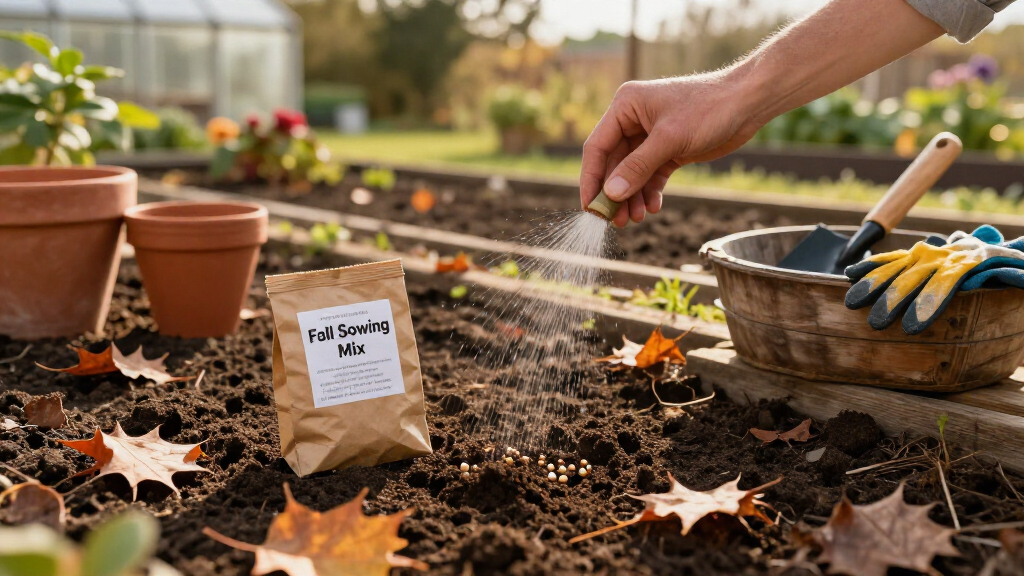
I judged every product through one narrow lens: how well the seeds perform when sown in autumn. That meant checking whether each variety tolerates cool-soil germination, whether the species overwinter as rosettes or self-seed reliably, and whether the packet instructions acknowledge fall planting at all. Products containing mostly warm-season annuals were pushed down the list regardless of seed count, because a February bloom window doesn’t help someone sowing in October.
Beyond season fit, I weighed seed count relative to expected germination rates, the usefulness of the variety mix (one bloom season versus staggered color), suitability for containers versus open beds, and how forgiving each option is for a first-time fall sower. Ranking favors products that make the fall-sowing gamble smaller — through cold-hardy genetics, generous counts, or curated species lists — and demotes those that simply repackaged spring mixes under a fall label.
Factors to Consider When Choosing Best Flower Seeds For Fall Sowing
Choosing flower seeds for autumn is not the same as shopping for spring planting. These are the factors that actually change your results when the soil is cooling and the growing window is closing.Cool-Soil Germination Tolerance
The single biggest mistake fall buyers make is assuming any seed packet works in autumn. Most annual flowers — zinnias, marigolds, cosmos — need warm soil to germinate and will simply rot if sown in October. Look for species with documented cold tolerance: pansies, violas, and black eyed Susans are the reliable standbys. If a mix doesn’t list its species or leans on vague language like ‘assorted blooms,’ treat that as a red flag. A smaller packet of known cold-germinators will outperform a 90,000-seed blend of mystery annuals every time. Check whether the seller mentions fall sowing explicitly — that usually signals the mix was actually designed for it.
Fall Blooms Versus Spring Payoff
Decide before buying whether you want color this season or a head start on next year. Pansies sown in early fall can flower before hard frost in mild zones, giving immediate gratification. Perennials like coneflowers and asters sown in fall mostly establish roots and rosettes, then bloom the following summer. Both strategies are valid, but they suit different buyers: renters and impatient gardeners should lean toward fast pansies, while homeowners planning a permanent bed get better long-term value from perennial mixes. Many buyers unknowingly buy the wrong type and feel cheated when nothing blooms before winter. Matching the product to your timeline expectation prevents that disappointment.
Seed Count Versus Realistic Needs
Bulk numbers are the category’s favorite marketing tool, and they mislead more than they inform. A 10,000-seed packet sounds generous until you account for thinning, poor germination, and limited bed space — most home gardeners can use a few hundred well-placed seeds at most. Where bulk counts genuinely matter is wildflower meadows, erosion patches, and oversowing thin areas. For containers, borders, and small beds, precision beats volume: a 200-seed pansy packet with high viability serves you better than a sack of unsorted mix. Also check whether the count includes filler species like annual ryegrass, which some bulk blends use to bulk up the number cheaply.
Your Hardiness Zone and First Frost Date
Fall sowing success is largely a calendar calculation. In zones 5 and colder, most fall sowing happens in September and targets overwintering rather than fall bloom, so perennial mixes and cold-stratifying species make sense. In zones 7 and warmer, you have a genuine second growing season, and pansies or cool-season collections can flower for months before frost. Buyers who ignore their first frost date often sow too late, leaving seedlings too small to survive winter. Look up your average first frost date and count backward six to eight weeks — that’s your real sowing window. Products with zone guidance on the packet earn extra trust.
Open-Pollinated, Heirloom, and Re-seeding Value
Heirloom and open-pollinated seeds aren’t just a sustainability badge — they change the economics of fall planting. Open-pollinated varieties set viable seed you can collect and resow, turning a one-time purchase into a recurring patch. This matters most for biennials and self-seeders like black eyed Susans and violas, which naturalize readily. Hybrid blends may produce more uniform first-year flowers but often yield sterile or unpredictable seed. If you’re building a self-sustaining flower bed, prioritize heirloom labeling and species known to self-sow. If you just want one season of tidy color, hybrids are fine and the label matters less.
Container Versus In-Ground Suitability
Not every product works in both settings, and the distinction shows up in species selection. Pansy-focused packs excel in pots and window boxes because the plants stay compact and shallow-rooted. Tall perennials like New England asters and meadow mixes need deep soil and room to spread — they’ll disappoint in containers no matter how good the seed is. If you’re planting borders, look for mixes that stratify by height so short varieties aren’t shaded out. Balcony and patio gardeners should filter the category down to the pansy and viola options immediately. Matching the plant’s mature size to your space is a bigger predictor of satisfaction than germination rate.
Frequently Asked Questions
Can I sow flower seeds in fall, or is that just a spring activity?
Fall sowing is a legitimate and often superior strategy for many species. Cool-season flowers like pansies germinate in autumn soil and can bloom before winter in mild zones, while hardy perennials use the cold months to grow roots and start earlier the following spring. Some seeds — including coneflowers and several native wildflowers — actually need cold stratification to germinate at all, making fall sowing the natural method. What you can’t do is sow warm-season annuals in fall and expect results. The key is choosing species matched to the season, which is exactly why the pansy and perennial options rank highly in this comparison.
Should I buy a single-species packet or a mixed collection?
It depends on your goal and experience level. Single-species packets like the Swiss Giants pansies or Black Eyed Susans give you predictable results, uniform care requirements, and usually far more seed per dollar — ideal if you know the look you want. Mixed collections spread risk across bloom times and heights, so if one variety struggles, others fill the gap, which suits beginners and anyone wanting season-long color. The tradeoff is that mixes sometimes include filler species that don’t suit fall sowing at all. My suggestion: start with one strong single species to learn the process, then graduate to a curated cool-season collection.
What happens if frost arrives before my fall-sown seeds germinate?
For true cold-season species, this is less of a disaster than it sounds. Many fall-sown seeds are designed to sprout, form small rosettes, go dormant through winter, and resume growth in early spring — that’s the natural lifecycle of hardy biennials and perennials. Pansies sown late may stay small until a warm spell, then push flowers in late winter. The real risk is with warm-season annuals, which simply die. You can improve odds by sowing six to eight weeks before your first frost date, mulching lightly, and choosing products with cold-hardy genetics like the ones ranked at the top of this list.
Are the giant bulk wildflower mixes worth it for fall planting?
They can be, but only with the right expectations. Bulk mixes like the 90,000-seed and quarter-pound options are best for covering large areas cheaply, and their perennial components genuinely benefit from fall establishment. The catch is that germination rates on bulk blends tend to be lower and less consistent than premium single-species seed, and the first-year show is often sparse — the real payoff arrives in year two when perennials mature. If you’re planting a small bed or containers, the money is better spent on a smaller packet of proven cold-season performers. Reserve bulk mixes for meadows, hillsides, and oversowing projects where volume beats precision.
Do I need to cold-stratify seeds before fall sowing?
Usually not — and that’s the hidden advantage of autumn planting. Cold stratification is the practice of chilling moist seeds in a refrigerator for weeks to break dormancy, and it’s required for many natives like coneflowers and New England asters when sown in spring. When you sow those same seeds in fall, winter does the stratification for you naturally. This makes fall the lower-effort path for native and heirloom perennials, which is part of why the aster and coneflower options earn their spots here. The exception is pansies and violas, which don’t need stratification at all and can go straight into prepared soil.
Conclusion
For most buyers, the Cool Season Flower Seeds 10-Variety Collection is the best overall choice — it’s the only product in the lineup built around cool-weather performance rather than adapted to it, and its variety spread covers both fall color and spring payoff. If value is the priority, the 10,000 Black Eyed Susan packet delivers unmatched seed volume from a genuinely fall-friendly species that self-sows for years. On the premium side, the Eden Brothers Perennial Wildflower Mix offers professional-grade meadow establishment for larger properties.
Beginners should start with the Swiss Giants Pansy seeds or the Giant Mixed Pansy pack — pansies forgive cool soil, germinate dependably, and bloom fast enough to keep motivation high. For specific needs: the CarpetC199 Pansy Mix suits containers and borders, the New England Aster seeds fill the late-season pollinator gap, the PLANTMEW Edible Flower Pack serves kitchen gardeners, and the bulk wildflower mixes fit large-area naturalizing projects. Whatever you choose, sow six to eight weeks before first frost and let the season do the rest.
Fall yard work Picks
leaf blowers
As an affiliate, we earn on qualifying purchases.