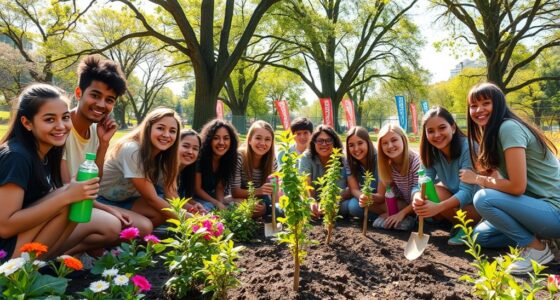

You can make sustainability feel relevant by connecting environmental issues to your students’ daily lives and personal interests. Use hands-on activities like community clean-ups or school energy audits to show real-world impact. Incorporate technology such as apps or virtual simulations to make lessons engaging. Link topics to local issues or students’ passions, and encourage collaboration through projects and discussions. Keep these connections authentic and meaningful—if you continue exploring, you’ll discover more ways to inspire a lasting environmental mindset.

Get garden gear delivered free — and shop member deals
- Fast, free delivery on millions of items
- Access to Prime Big Deal Days deals on October 6–7
- Prime Video, Amazon Music and more included
Key Takeaways
- Connect sustainability concepts to students’ daily lives through hands-on activities like community projects and local environmental issues.
- Incorporate technology such as apps and virtual simulations to make learning interactive and personally meaningful.
- Tailor lessons to students’ interests and local contexts, linking projects to their passions and community needs.
- Promote collaboration through discussions, group projects, and debates to emphasize collective responsibility.
- Integrate sustainability into daily routines and personal experiences to demonstrate its relevance and tangible benefits.
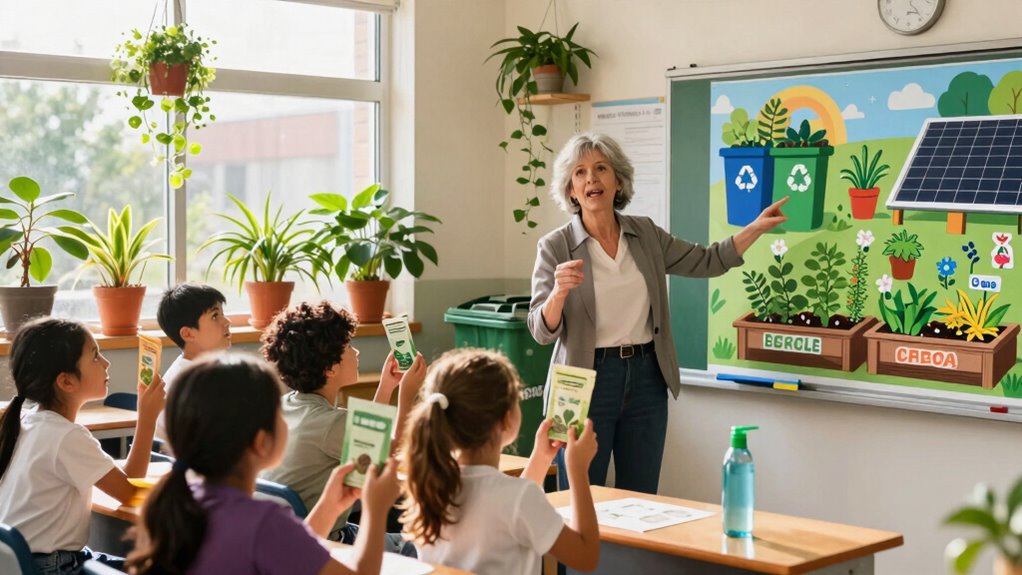
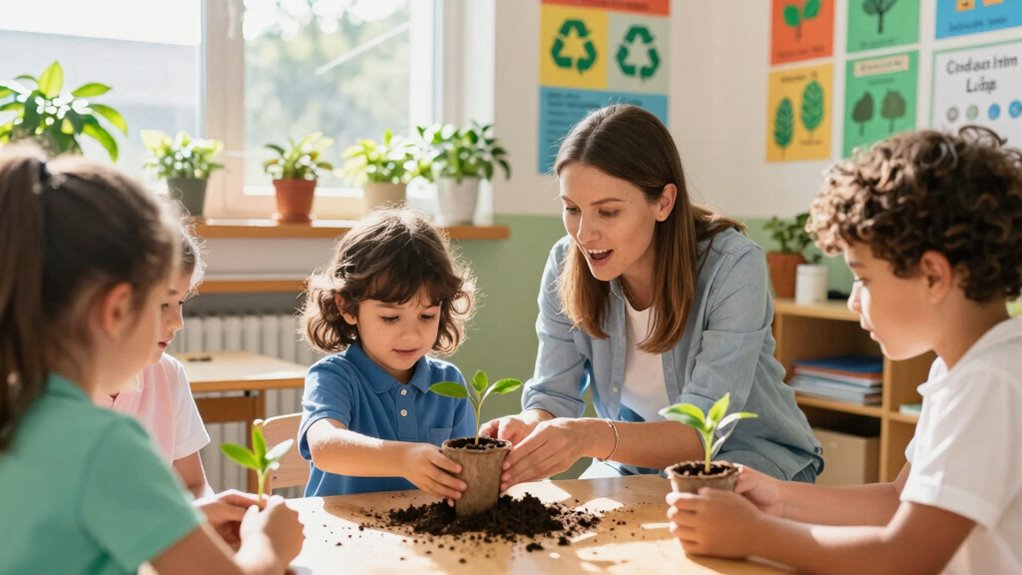
Teachers play a vital role in making sustainability meaningful for students by connecting environmental issues to their everyday lives. When you approach teaching with an eye for innovative methods, you create opportunities that capture students’ attention and inspire genuine concern. By using creative, hands-on activities, you foster student engagement in ways that traditional lessons can’t match. For example, instead of just lecturing about climate change, you could organize local clean-up projects or community gardens. These initiatives allow students to see the tangible impact of their actions and feel connected to the environment, making the abstract concept of sustainability more concrete and relevant.
Engage students with hands-on projects like community gardens to connect them to real-world sustainability efforts.
You can also leverage technology to make sustainability resonate. Incorporate interactive apps, virtual simulations, or online research projects that explore real-world environmental challenges. When students actively participate in digital environments, they are more likely to develop a sense of ownership and curiosity. This kind of innovative approach shifts the focus from passive learning to active exploration, deepening their understanding of sustainability in a way that feels immediate and personal. Understanding the role of environmental science can help teachers develop more effective and engaging lessons.
Another effective strategy involves linking sustainability to students’ interests and local contexts. For instance, if your students are passionate about art, encourage them to create posters or murals that highlight environmental issues. If they’re interested in business, have them develop sustainable startup ideas or conduct energy audits of their school. These tailored projects help students see how sustainability relates directly to their passions and future careers, transforming the topic from a distant, theoretical issue into something they can influence and care about. Incorporating local environmental issues can make lessons even more relevant and impactful for students. Additionally, emphasizing climate change impacts specific to their community can deepen their understanding.
You also boost student engagement by fostering collaboration and dialogue. Create opportunities for students to share their perspectives and brainstorm solutions together. When learners feel their voices matter, they become more invested in the subject. Use debates, group projects, or peer-led presentations to encourage active participation. This not only makes learning more dynamic but also emphasizes that sustainability is a collective effort—something that requires diverse ideas and teamwork. Incorporating biodiversity initiatives can further enhance their understanding of interconnected ecosystems and the importance of conservation.
Ultimately, your role is to make sustainability feel relevant by blending innovative approaches with genuine student engagement. When you connect environmental issues to their personal experiences, passions, and community, you turn abstract concepts into meaningful actions. Incorporating sustainability into daily lessons can help students see the tangible benefits of their efforts. This approach helps students see sustainability not just as a topic to study, but as a vital part of their lives and future. Your creativity, enthusiasm, and willingness to adapt will inspire them to see themselves as active participants in building a more sustainable world.
interactive sustainability teaching apps
As an affiliate, we earn on qualifying purchases.
As an affiliate, we earn on qualifying purchases.
Frequently Asked Questions
How Can Teachers Incorporate Local Sustainability Issues Into Lessons?
You can incorporate local sustainability issues into lessons by highlighting community efforts like sustainable transportation and renewable energy projects. Take students on field trips to local solar farms or bike-friendly neighborhoods, and invite experts to discuss how these initiatives impact your area. Assign projects that explore local renewable energy options or promote sustainable transportation choices, making the topic relevant and tangible for students, connecting global concepts to their everyday lives.
What Age-Appropriate Activities Effectively Teach Sustainability Concepts?
Imagine you’re turning back the clock to teach kids about sustainability. You can introduce age-appropriate activities like eco-friendly practices, such as planting a garden or creating compost bins. Organize recycling initiatives where children sort recyclables or make art from recycled materials. These hands-on activities make abstract ideas tangible, fostering environmental responsibility early on. Kids learn best when they actively participate, connecting sustainability to everyday actions, no matter their age.
How Do Teachers Assess Students’ Understanding of Sustainability?
You assess students’ understanding of sustainability through diverse assessment tools like quizzes, reflections, and project-based tasks. By observing their student engagement during discussions and activities, you gauge their grasp of concepts. Incorporate formative assessments such as peer reviews or journal entries to identify misconceptions early. These methods help you guarantee students connect sustainability ideas to real-world issues, fostering deeper comprehension and encouraging active participation in sustainability initiatives.
How Can Teachers Collaborate With the Community on Sustainability Projects?
You can collaborate with the community by building strong partnerships that support sustainability projects. Encourage students to lead initiatives like community gardens or recycling drives, fostering real-world impact. Engage local organizations, businesses, and residents to participate, share resources, and provide expertise. By doing so, you create meaningful experiences that connect students to their community, making sustainability relevant and inspiring ongoing collaboration for environmental betterment.
What Resources Are Best for Teaching Sustainability on a Limited Budget?
Think of your classroom as a garden, thriving with simple, cost-effective tools. Use eco-friendly materials like recycled paper and reusable supplies to cut costs and teach sustainability firsthand. Digital resources such as free online videos, articles, and interactive websites also sprout knowledge without extra expense. These resources make sustainability lessons lively and accessible, helping students see the importance of caring for the environment without stretching your budget.
Conclusion
As you weave sustainability into your lessons, you might find students suddenly noticing how their daily choices connect to the bigger picture. It’s almost like the universe aligns, making the importance of sustainability feel personal and real. When you make it relevant, students see the impact of their actions—sometimes when they least expect it. So keep inspiring, because those small moments of realization can spark lifelong habits, transforming the future one student at a time.
Fall yard work Picks
leaf blowers
As an affiliate, we earn on qualifying purchases.