
TL;DR

Get garden gear delivered free — and shop member deals
- Fast, free delivery on millions of items
- Access to Prime Big Deal Days deals on October 6–7
- Prime Video, Amazon Music and more included
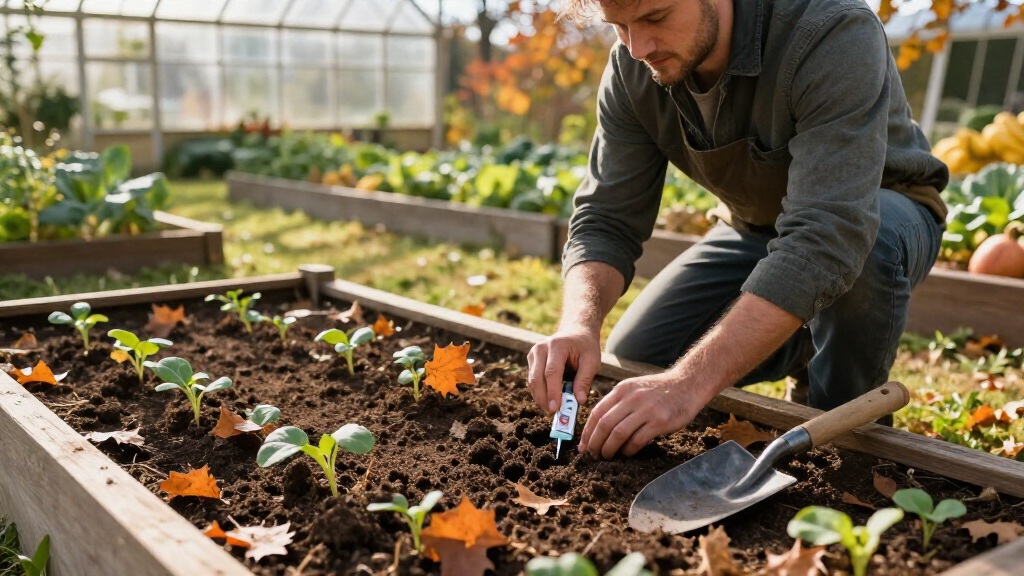
Planet Natural’s gardening report recommends testing vegetable beds in fall, when crops are out and the soil is easier to sample. A representative sample and the lab’s results can help guide spring decisions, but gardeners should wait for those results before adding soil amendments.
Planet Natural’s report on fall soil testing says gardeners can use the quieter period after harvest to sample vegetable beds and get lab results before planning spring amendments. The report’s central advice is to test first and wait for the results, rather than applying fertilizer, lime or other products on a calendar-based guess.
Fall can make sampling more convenient because crops have been removed and the bed is accessible, and it’s also a good time to plan for cool-weather vegetables. That timing can also leave room to review a lab report and prepare a bed-specific spring action list. The report cautions that a test is useful only if the sample represents the soil being assessed; combining unlike beds can blur differences in their histories and needs.
For a typical annual vegetable bed, Planet Natural advises following the lab’s sampling directions, collecting several small samples consistently across the growing area, and mixing them in a clean container. Remove surface debris first, and avoid sampling soon after adding compost, manure, fertilizer, lime or another material that could affect the result. A raised bed should be sampled separately from surrounding paths, and a recurring problem area may warrant its own sample.
A standard garden test may report pH, organic matter, texture estimates and selected nutrient levels, with recommendations based on the crop use entered on the submission form. The available tests and interpretations vary by lab. The report says gardeners should use that lab’s labels, units and guidance rather than directly comparing numbers from different testing services.
How Results Shape Spring Work
A soil test can help gardeners distinguish a documented need from a routine habit. If a nutrient level is already adequate, adding more without a reason may waste money; if a report recommends a pH adjustment, planning ahead can give the gardener time to follow appropriate local guidance before planting. The report does not establish that every bed needs an amendment, or that any particular product will improve a garden.
Keeping results tied to the sampled bed also matters for future decisions. A simple bed map, sampling date and record of the crop use entered on the form can help prevent a recommendation for one area from being applied to another with a different history. That makes the test a planning tool, not a shopping list.
For readers, the practical payoff is a chance to use winter to check the recommended rate, calculate the bed area and fit any supported task around crop rotation and planting dates. The report advises holding off on general fertilizer, lime, sulfur, manure or concentrated micronutrients while results are pending.
As an affiliate, we earn on qualifying purchases.
Sampling One Bed at a Time
The report recommends starting with a bed that has a reasonably consistent history, such as similar crops, irrigation and past amendments. A sample should not include a neighboring bed simply because it is close by if that bed has been managed differently. Similarly, a spot with a recurring unexplained problem should not be blended into a whole-garden sample if the aim is to understand that specific area.
Sampling quality depends on following the lab’s directions, which can differ by region and test. Planet Natural describes using a clean trowel or soil probe and a clean plastic bucket, while noting that gardeners should avoid metal containers if their lab advises against them. The report also recommends avoiding unrepresentative spots such as fertilizer spills, compost-pile edges, muddy low points and places where pets regularly visit.
After mixing the collected soil, gardeners should prepare it as the lab directs; very wet soil may need to air-dry before packaging. The sample form should identify the intended garden or crop use because recommendations may depend on that information. Follow the lab’s instructions for depth, packaging and any details required with the sample.
Limits of a Routine Soil Test
The report does not specify one sampling depth, test panel, turnaround time or amendment rate for all gardens. Those details depend on the lab, region, test type and bed. It also does not provide results from a particular garden, so no soil condition or treatment need can be inferred from the seasonal advice alone.
A routine fertility test may not answer concerns about lead, other metals or soluble salts. The report advises gardeners who suspect contamination—for example, because a site is near an older painted structure, a busy roadway or an industrial area—to ask the lab or local Extension office which purpose-specific test is appropriate. Food-safety and contaminant questions need guidance suited to the site, rather than an improvised response to a standard fertility result.
From Lab Report to Spring Plan
After sending a sample, gardeners can record which bed it represents and wait for the lab’s results before deciding on amendments. When the report arrives, Planet Natural suggests sorting tasks into three groups: actions supported for now, work to plan before spring, and questions that need more information or expert interpretation.
Gardeners can then check local guidance, price only the materials the report supports, calculate the area involved and note how the work fits planting dates. If the report raises a concern outside ordinary fertility advice, the next step is to contact the lab or local Extension office. Until then, the report’s guidance is to avoid treating a product purchase or a seasonal routine as a substitute for test results.
Key Questions
Why test garden soil in fall?
After harvest, beds are often easier to access and sample. Testing then may give gardeners time to review results and plan supported spring work before planting.
Should I add fertilizer before the results arrive?
The report advises waiting. Adding fertilizer, lime, sulfur, manure or concentrated nutrients before seeing the results can mean spending money without knowing whether the bed needs them.
Can I combine soil from several beds?
Only when the areas are sufficiently similar for the question being asked. Beds with different management histories should be tested separately, and a raised bed should not be blended with its paths.
Does a standard soil test check for lead?
Not necessarily. A routine fertility test may not answer questions about lead or other contaminants. Ask the lab or local Extension office which purpose-specific test is appropriate for the site.
Source: rss
Fall yard work Picks
leaf blowers
As an affiliate, we earn on qualifying purchases.