TL;DR
A Homes & Gardens report outlines three November priorities for citrus trees moved indoors for winter: provide enough light, avoid temperature swings and reduce watering. The recommendations are gardening guidance, not a guarantee of fruit next year; results depend on a tree’s conditions and care.
Homes & Gardens has published November guidance for gardeners bringing potted citrus trees indoors, identifying light, steady temperatures and reduced watering as three priorities for winter care. The recommendations are intended to help limit stress during the move indoors and support healthy growth, but they do not guarantee flowers or fruit the following year.

Get garden gear delivered free with Prime
- Fast, free delivery on millions of items
- Prime Video, Amazon Music and more included
- Member-only deals all year
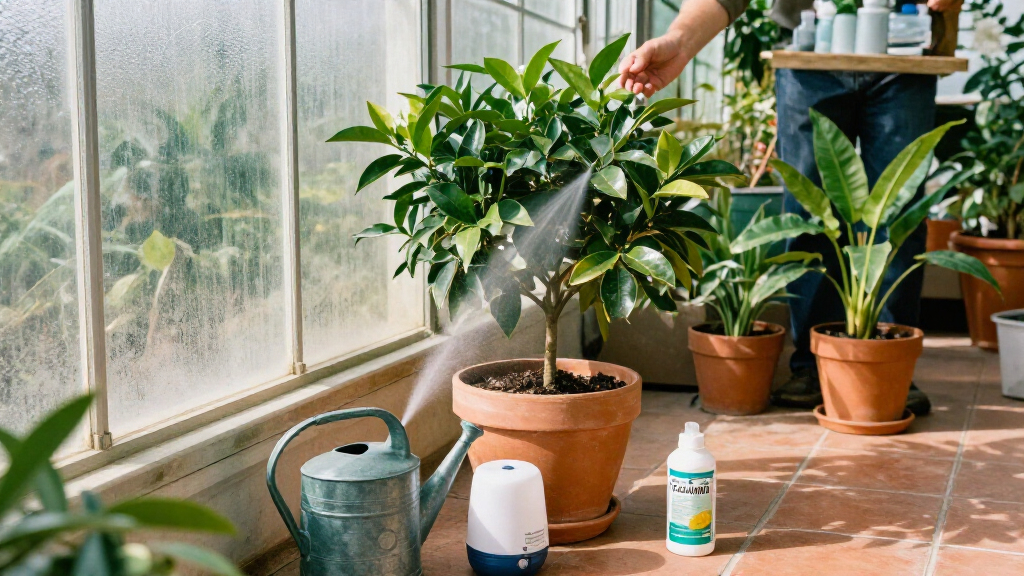
For light, the report says citrus trees need about 8 to 12 hours of sunlight a day in winter. It suggests placing pots in a bright location such as a greenhouse, sunroom, conservatory or south-facing window. If natural light is insufficient, it recommends supplementing it with a full-spectrum LED grow light. Shane Pliska, CEO of Planterra Interior Landscaping, recommends positioning a grow light above the tree’s canopy and starting with about 12 hours daily on a timer.
Temperature and the move indoors are the second priority. The report advises bringing trees inside when nighttime temperatures consistently fall below 50°F, while acclimating them gradually rather than moving them abruptly from outdoor conditions. It describes 55°F to 65°F as a suitable winter range and cautions against placing trees near heating ducts, radiators or air conditioners, where temperature and humidity may fluctuate.
Watering should also change after a tree comes indoors. The report says to water when the top few inches of soil are dry, checking two or three inches down with a finger or moisture meter. It advises letting excess water drain and raising the container to keep it from sitting in water. Winter feeding can be reduced or paused; the report’s author says they previously fed indoor citrus once a month, while Pliska advises resuming regular feeding when longer days and fresh growth return.
Winter Conditions Shape Citrus Care
Moving a citrus tree indoors protects it from damaging frost, but the change also means less intense daylight, drier indoor air and different watering needs. The report links insufficient light with yellowing or dropping leaves and weak growth, and says overwatering can contribute to wilting, leaf loss and, in severe cases, root rot. These are risks described in the source, not outcomes that will occur in every home.
The advice matters to people keeping lemons, limes, oranges or kumquats in containers because the winter environment can differ substantially from the conditions outdoors. Checking light, temperature and soil moisture gives gardeners practical ways to adjust care rather than following a summer watering and feeding routine unchanged. The report presents these steps as support for plant health and potential future flowering and fruiting, not as a promise of a harvest.
Popular right now

Ninja Luxe Café Mini Plus Espresso and Drip Coffee Machine with AutoFroth, Stainless Steel, ES351

TCL 85-Inch QM6K QLED Mini LED 4K HDR Smart Google TV, 144Hz

TCL 55-Inch F7D Series QLED 4K UHD Smart Fire TV (2026)
As an affiliate, we earn on qualifying purchases.
Moving Potted Citrus Indoors
The source article is seasonal gardening guidance based on the author’s experience caring for citrus trees as a professional gardener, including trees kept indoors over winter. It focuses on trees grown in pots that are moved inside in cold climates to avoid frost damage. It does not report a new scientific study, government advice or a change in horticultural policy.
Its central timing advice is to prepare before cold nights become a risk and make the move gradual. Once indoors, trees should be placed where they can receive as much winter light as possible, while kept away from direct heating and cooling sources. Humidity can be raised by misting foliage or placing a smaller pot on a moist pebble tray, according to the report.
““Even in a good window, a grow light can help make up for short winter days.””
— Shane Pliska, CEO of Planterra Interior Landscaping, as quoted by Homes & Gardens
Results Depend on Home Conditions
The report does not specify how much supplemental light every tree needs beyond its general 8-to-12-hour daylight guidance, and actual conditions vary by window direction, latitude, weather and indoor setup. It also does not give a single watering schedule: the recommendation is to check soil dryness, since pots, soil mixes and room conditions can differ.
The source offers gardening guidance and expert recommendations, but does not cite a controlled study comparing these methods or quantify their effect on next year’s fruit yield. It is unclear how well any individual tree will flower or fruit, which depends on factors beyond the three winter-care steps described.
Check Growth Before Feeding
During winter, gardeners can monitor their trees for changing soil moisture, leaf drop and signs that the light or temperature setup needs adjustment. The report advises keeping watering restrained while the soil remains moist and maintaining stable conditions away from heating and cooling vents.
As daylight lengthens, Pliska’s guidance is to watch for fresh growth before returning to regular fertilizing. The source does not give a calendar date for that change, because it depends on local daylight and the tree’s response. It also does not set out a specific date for moving trees back outdoors; gardeners should continue protecting them from cold conditions.
Key Questions
How much light does an indoor citrus tree need in winter?
The Homes & Gardens report recommends about 8 to 12 hours of sunlight daily. It suggests a bright window or adding a full-spectrum grow light if natural light is not enough.
What temperature is suitable for citrus trees indoors?
The report gives 55°F to 65°F as a suitable winter range and advises avoiding sharp temperature changes, including locations beside radiators or heating ducts.
How often should I water citrus in winter?
The source does not set a fixed schedule. Check the soil two or three inches down and water when the top few inches are dry; if the soil is still moist, check again later.
Should I fertilize an indoor citrus tree during winter?
The report says winter feeding can be reduced or paused. Pliska recommends returning to regular feeding when days are longer and the tree shows fresh growth.
Source: homesandgardens.com