The best drought-tolerant garden plants depend on whether you need ground cover, vivid flowers, native species, or edible crops. My best overall pick is Eden Brothers Native Western Xeriscape Wildflower Seed Mix for its regional focus and variety, while creeping thyme stands out for low-growing coverage and moss rose for sunny, colorful beds. Seed mixes offer range, but their results can vary with climate and sowing conditions; individual species give more control but cover fewer garden needs. Plant form, local suitability, and the establishment water each option needs matter as much as drought tolerance. Read on for the full breakdown and help matching a pick to your space.

Get garden gear delivered free with Prime
- Fast, free delivery on millions of items
- Prime Video, Amazon Music and more included
- Member-only deals all year
Complete the kit


Key Takeaways
- The regional advantage: Eden Brothers’ Western xeriscape mix is the clearest choice for gardeners seeking a region-oriented blend, while broad wildflower mixes may suit less specific planting goals.
- Ground cover is not one-size-fits-all: Creeping thyme offers a low, spreading look, while carpet lantana and gazania bring a different flowering effect and may need closer climate checks.
- Seed counts do not equal quick coverage: The large creeping thyme and moss rose seed packs still require suitable sowing conditions, patience, and enough space for plants to fill in.
- Edible gardens need a different plan: The 10-variety heat- and drought-tolerant vegetable pack is the roundup’s food-growing option, but vegetables still need regular care and water during establishment and fruiting.
- Plant form changes the commitment: Seed packets such as prairie clover and prairie smoke offer species-specific planting, while the live desert rose arrives as a potted plant with different care and placement needs.
| 2,000 Purple Aubrieta (Rock Cress) Flower Seeds |  | Best for Slopes and Rock Gardens | Seed count: 2,000 | Scientific name: Aubrieta deltoidea | Expected plant height: About 6 inches | VIEW LATEST PRICE | See Our Full Breakdown |
| American Plant Exchange Desert Rose Live Plant in 5-Inch Pot |  | Best Live Plant for Warm, Sunny Patios | Plant type: Live flowering succulent | Pot size: 5 inches | Sunlight: Full sun | VIEW LATEST PRICE | See Our Full Breakdown |
| Drought-Tolerant Herb and Flower Seeds, 8-Variety Pack |  | Best Variety for Edible and Pollinator Gardens | Number of varieties: 8 | Included plants: Lavender, blue sage, California poppy, thyme, white sage, marjoram, culinary sage, and oregano | Sunlight: Full sun | VIEW LATEST PRICE | See Our Full Breakdown |
| 15,000 Mix Moss Rose Heirloom Annual Flower Seeds (Portulaca grandiflora) |  | Best for Long-Season Color with Minimal Water | Seed count: 15,000 | Scientific name: Portulaca grandiflora | Plant type: Annual flowering ground cover | VIEW LATEST PRICE | See Our Full Breakdown |
| Purple Prairie Clover Wildflower Seeds, 1 Pack |  | Best Native Perennial for Pollinators and Soil | Plant: Dalea purpurea | Seed type: Heirloom, non-GMO, open-pollinated | Seed treatment: Untreated | VIEW LATEST PRICE | See Our Full Breakdown |
| 32,000+ Mixed Creeping Thyme Seeds for Ground Cover |  | Best for Filling Paver Gaps | Seed count: 32,000+ | Plant type: Creeping thyme | Bloom colors: Red, purple, blue, and bright red | VIEW LATEST PRICE | See Our Full Breakdown |
| SunHaven Seeds Drought-Tolerant Wildflower Mix, 1 oz |  | Best for Broad Low-Water Coverage | Seed weight: 1 oz | Approximate coverage: 100 sq ft | Seed count: 20,000+ | VIEW LATEST PRICE | See Our Full Breakdown |
| Heat- and Drought-Tolerant Vegetable Seeds, 10-Variety Pack |  | Best for Edible Warm-Climate Gardens | Number of varieties: 10 | Seed type: Heirloom, non-GMO, open-pollinated | Seed treatment: Untreated | VIEW LATEST PRICE | See Our Full Breakdown |
| Carpet Creeping Lantana Seeds, 300+ Seeds for Planting |  | Best for Long-Season Color in Hot Gardens | Seed count: 300+ | Plant type: Evergreen perennial shrub | Plant height: 12–24 inches | VIEW LATEST PRICE | See Our Full Breakdown |
| Prairie Smoke (Geum triflorum) Perennial Seeds for Planting | 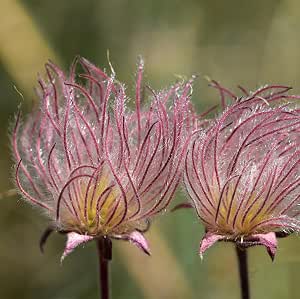 | Best Native Choice for Naturalistic Beds | Botanical name: Geum triflorum | Plant type: Native perennial wildflower | Hardiness zones: 4–9 | VIEW LATEST PRICE | See Our Full Breakdown |
| 300 Gazania Flower Seeds Mix for Garden and Ground Cover |  | Best for Colorful Sunny Containers | Seed count: 300 | Flower diameter: Up to 4 inches | Plant height: 8–10 inches | VIEW LATEST PRICE | See Our Full Breakdown |
| Mixrug 300 Gazania Flower Seeds, Heat-Tolerant Ground Cover Mix |  | Best for Extended Seasonal Bloom | Seed count: 300 | Flower size: Up to 4 inches | Plant height: 8–10 inches | VIEW LATEST PRICE | See Our Full Breakdown |
| 199+ Lantana Seeds for Planting, Evergreen Perennial Shrub |  | Best for Warm-Climate Pollinator Borders | Seed quantity: 199+ | Plant type: Evergreen flowering shrub | Height: 12–24 inches in item details; 1–3 feet in product description | VIEW LATEST PRICE | See Our Full Breakdown |
| Eden Brothers Native Western Xeriscape Wildflower Seed Mix, 1 oz, 16 Varieties |  | Best for Native Western Xeriscapes | Seed weight: 1 oz | Varieties: 16 | Seed types: Annual, perennial, and biennial | VIEW LATEST PRICE | See Our Full Breakdown |
| 17,500 Creeping Thyme Seeds |  | Best for Low-Water, Cold-Hardy Ground Cover | Seed count: 17,500 | Pack count: 1 | Plant type: Perennial herb | VIEW LATEST PRICE | See Our Full Breakdown |
| drought tolerant garden plant | Plant type | Seed count | Sunlight |
|---|---|---|---|
| 2,000 Purple Aubrieta | — | 2,000 | Full sun |
| American Plant Exchange Desert | Live flowering succulent | — | Full sun |
| Drought-Tolerant Herb and Flow | — | — | Full sun |
| 15,000 Mix Moss Rose Heirloom | Annual flowering ground cover | 15,000 | Full sun |
| Purple Prairie Clover Wildflow | — | — | Full sun |
| 32,000+ Mixed Creeping Thyme S | Creeping thyme | 32,000+ | — |
| SunHaven Seeds Drought-Toleran | — | 20,000+ | — |
| Heat- and Drought-Tolerant Veg | — | — | — |
| Carpet Creeping Lantana Seeds | Evergreen perennial shrub | 300+ | — |
| Prairie Smoke | Native perennial wildflower | — | — |
| 300 Gazania Flower Seeds Mix f | Annual in northern regions; short-lived perennial in southern regions | 300 | Full sun |
| Mixrug 300 Gazania Flower Seed | Annual in northern regions; short-lived perennial in southern regions | 300 | Full sun |
| 199+ Lantana Seeds for Plantin | Evergreen flowering shrub | — | — |
| Eden Brothers Native Western X | — | — | Full sun |
| 17,500 Creeping Thyme Seeds | Perennial herb | 17,500 | — |
More Details on Our Top Picks
2,000 Purple Aubrieta (Rock Cress) Flower Seeds
Aubrieta deltoidea is the focused choice here for filling sunny gaps between stones, along walls, or across a slope with low perennial cover. Its roughly 6-inch height keeps it below taller options such as Purple Prairie Clover, while its spring-to-summer purple flowers add seasonal color and can attract pollinators. The 2,000-seed count gives gardeners room to sow a broader patch, and the included growing guide offers practical support for starting it.
This is less suited to buyers seeking the season-long display of Moss Rose or a mixed planting like the 8-Variety Herb and Flower Seeds. Aubrieta is listed for sandy soil and moderate watering, so drought tolerance does not mean it can be left dry at every stage. Choose it for a low, perennial planting in a suitable sunny site; skip it if you need taller structure or the simplest possible sow-and-forget option.
Pros:- Drought tolerant and suited to full sun
- Low perennial growth works well on slopes, walls, and in rock gardens
- Purple flowers attract pollinators, and plants are listed as deer resistant
- Includes a step-by-step growing guide
Cons:- Sandy soil and moderate watering are recommended, so it is not a no-water choice at every stage
- Plants reach only about 6 inches, offering little vertical structure
- Spring-to-summer bloom period is shorter than Moss Rose’s late-spring-to-fall display
Best for: Gardeners filling sunny slopes, rock gardens, and wall crevices with a low perennial ground cover.
Not ideal for: Gardeners who want tall plants, a long late-season bloom display, or a plant that needs no watering during establishment.
- Seed count:2,000
- Scientific name:Aubrieta deltoidea
- Expected plant height:About 6 inches
- Blooming period:Spring to summer
- Sunlight:Full sun
- Soil type:Sandy soil
- Moisture needs:Moderate watering
- USDA hardiness zones:3–10
- Germination time:10–14 days
Our verdict“Choose Aubrieta for low purple perennial cover in a sunny rock garden or slope, not for height or extended seasonal color.”
American Plant Exchange Desert Rose Live Plant in 5-Inch Pot
Unlike the seed packets in this roundup, the Desert Rose arrives as a live plant, giving warm-climate gardeners an immediate sculptural feature rather than a planting project. Its water-storing trunk and preference for infrequent watering suit dry conditions, while possible trumpet-shaped flowers add color without relying on a broad ground-covering display. It can also be grown in a container and trained as bonsai, making it a more contained accent than the spreading Moss Rose or low Aubrieta.
The tradeoff is climate and light: this plant is best suited to USDA zones 10–12 and needs bright, direct sun. It is a poor fit for cold-winter gardens unless it can be kept indoors in a suitably bright spot. Buyers wanting hardy outdoor coverage should favor Purple Prairie Clover or Aubrieta; choose this plant when a drought-tolerant focal point matters more than broad planting coverage.
Pros:- Water-storing trunk supports infrequent watering
- Arrives as a live plant in a 5-inch nursery pot
- Container growth allows indoor or outdoor display in suitable conditions
- Can produce trumpet-shaped flowers and is suitable for bonsai training
Cons:- Best suited to USDA zones 10–12, limiting outdoor use in colder climates
- Requires bright, direct sunlight
- Slow growth and single-plant format do not provide quick ground coverage like Moss Rose seeds
Best for: Warm-climate gardeners seeking a live, container-grown succulent accent for a bright patio or sunny indoor space.
Not ideal for: Gardeners in cold-winter regions without a bright indoor location, or anyone needing a ground cover or a large planted area.
- Plant type:Live flowering succulent
- Pot size:5 inches
- Sunlight:Full sun
- Watering:Infrequent; let soil dry completely between waterings
- Soil type:Sandy, well-draining soil
- USDA hardiness zones:10–12
- Growth habit:Slow-growing; suitable for bonsai training
- Expected bloom period:Spring to summer
Our verdict“Pick Desert Rose for a low-water, sculptural container plant in a warm, bright setting, rather than for hardy garden coverage.”
Drought-Tolerant Herb and Flower Seeds, 8-Variety Pack
This pack earns its place through range rather than a single standout plant: lavender, blue sage, California poppy, thyme, white sage, marjoram, culinary sage, and oregano combine useful herbs with flowering choices for a sunny, dry garden. Compared with the single-species Purple Prairie Clover, it gives buyers more ways to mix culinary use, fragrance, and pollinator appeal in one planting. The included variety-specific instructions also help gardeners handle the different needs of eight kinds of seed.
The mix is best for gardeners who can give it full sun and are willing to manage multiple varieties, rather than those seeking one uniform ground cover like Moss Rose or Aubrieta. Its listed height of about 24 inches also makes it less appropriate for very low edging. The “little to no watering” claim applies to the intended dry-garden use; young seedlings still need suitable care as they establish.
Pros:- Combines eight herb and flower varieties in one pack
- Includes culinary herbs, fragrant plants, and pollinator-attracting options
- Designed for hot, dry conditions and full-sun outdoor gardens
- Packets include variety-specific planting and care instructions
Cons:- Full-sun requirement makes it unsuitable for shaded gardens
- Multiple species may need different care and can produce a less uniform planting than Moss Rose
- Expected height of about 24 inches is too tall for low edging
Best for: Sunny-garden growers who want a mix of fragrant culinary herbs and flowers, plus instructions for each variety.
Not ideal for: Gardeners with shaded beds, those seeking one consistent low-growing ground cover, or buyers who prefer a single plant type.
- Number of varieties:8
- Included plants:Lavender, blue sage, California poppy, thyme, white sage, marjoram, culinary sage, and oregano
- Sunlight:Full sun
- Expected plant height:About 24 inches
- Moisture needs:Little to no watering
- USDA hardiness zones:5–10
- Expected planting period:Spring
- Expected blooming period:Spring to fall
- Seed treatment:Untreated
Our verdict“Choose this pack for a sunny, mixed-use garden where variety and edible herbs matter more than uniform ground cover.”
15,000 Mix Moss Rose Heirloom Annual Flower Seeds (Portulaca grandiflora)
Moss Rose is the strongest fit in this group for gardeners who want low, spreading color through much of the warm season. Its vivid double blooms are expected from late spring to fall, outlasting the spring-to-summer window listed for Aubrieta. Plants stay 3–6 inches tall but spread 10–15 inches, making them more useful for edging and container spill than the taller, upright Purple Prairie Clover. The large seed count also suits broad sowing across sunny, dry areas.
That color comes with a seasonal tradeoff: this is an annual, unlike the perennial ground covers and native perennial options here, so it is not the choice for permanent coverage without reseeding or replanting. It also needs full sun and sandy or loamy soil. Gardeners wanting a native perennial with ecological benefits may prefer Purple Prairie Clover; choose Moss Rose for a compact, colorful display that asks for minimal watering.
Pros:- Minimal watering suits dry, sunny planting areas
- Double blooms in several colors are expected from late spring to fall
- Compact spreading habit works for containers, edging, and rocky borders
- Includes a step-by-step growing guide
Cons:- Annual growth means it does not provide dependable perennial cover
- Requires full sun for its intended growing conditions
- Sandy or loamy soil is recommended, limiting suitability for some garden beds
Best for: Gardeners filling sunny containers, edging, or rocky borders with a compact annual that blooms across much of the warm season.
Not ideal for: Gardeners who need a permanent perennial ground cover, have shaded planting areas, or want a native species.
- Seed count:15,000
- Scientific name:Portulaca grandiflora
- Plant type:Annual flowering ground cover
- Plant height:3–6 inches
- Spread:10–15 inches
- Blooming period:Late spring to fall
- Sunlight:Full sun
- Soil type:Sandy or loamy
- Moisture needs:Minimal watering
Our verdict“Choose Moss Rose for colorful, low-growing annual coverage through the warm season, but select Aubrieta or Prairie Clover for perennial planting.”
Purple Prairie Clover Wildflower Seeds, 1 Pack
Purple Prairie Clover is the most ecologically focused seed option here: this native perennial attracts pollinators and fixes nitrogen, giving it a role beyond flowering. Once established, it needs little to no watering and can reach up to 3 feet, providing more vertical presence than low-growing Aubrieta or Moss Rose. Its June-to-August purple blooms also bring a concentrated summer display, while its stated USDA zones 3–8 suit a range of cooler and temperate gardens.
Preparation is the main tradeoff. Seeds need 30 days of cold stratification, and the plant requires full sun, so this is less immediate than buying the live Desert Rose or sowing a simpler ground-cover seed. It is also a single-pack offering rather than a large-area seed count. Choose it for a sunny native planting where pollinator value and soil contribution matter more than fast, low coverage.
Pros:- Native perennial with little to no watering needed once established
- Attracts pollinators and fixes nitrogen in the soil
- Grows up to 3 feet, adding height absent from Aubrieta and Moss Rose
- Includes planting, germination, and seed-saving instructions
Cons:- Requires 30 days of cold stratification before planting
- Needs full sun
- June–August bloom period is shorter than Moss Rose’s expected late-spring-to-fall display
Best for: Gardeners in USDA zones 3–8 creating sunny native or pollinator plantings who can prepare seed before sowing.
Not ideal for: Buyers seeking quick ground cover, shaded-bed plants, or seeds that can be sown without a cold-stratification step.
- Plant:Dalea purpurea
- Seed type:Heirloom, non-GMO, open-pollinated
- Seed treatment:Untreated
- USDA hardiness zones:3–8
- Expected plant height:Up to 3 feet
- Blooming period:June–August
- Sunlight:Full sun
- Water needs:Little to no watering once established
- Cold stratification:30 days
Our verdict“Choose Purple Prairie Clover for a sunny native perennial planting with pollinator and soil benefits, if you can accommodate seed preparation and slower coverage.”
32,000+ Mixed Creeping Thyme Seeds for Ground Cover
For a drought-tolerant planting that can knit together paths and rock gardens, this creeping thyme seed mix is more targeted than the broad-coverage SunHaven wildflower mix. Its low-growing, fragrant flowers suit borders and gaps between pavers, while blooms described as red, purple, and blue add color without relying on a tall planting. The 32,000+ seeds offer plenty for small-scale ground-cover sowing, though a high seed count does not remove the need to prepare the site and establish seedlings.
The main tradeoff is patience at the start: seeds need consistent moisture while establishing, even though mature plants are drought-tolerant. It is best for sunny or partly shaded spots with well-draining soil, not a quick fix for a dry area that cannot be watered after sowing. Compared with Prairie Smoke, it is better suited to paving gaps; Prairie Smoke offers native character but asks for cold stratification.
Pros:- Drought-tolerant once established, making it suitable for low-water ground-cover plantings.
- Low-growing form is suited to borders, rock gardens, and gaps between pavers.
- Fragrant flowers can attract bees, butterflies, and hummingbirds.
- Full sun to partial shade gives it more placement flexibility than the full-sun wildflower mix.
Cons:- Needs consistent moisture during planting and establishment.
- Seed-grown ground cover requires time to fill in rather than providing instant coverage.
Best for: Gardeners filling sunny or partly shaded paver gaps, rock-garden edges, or small borders who can water the seedbed during establishment.
Not ideal for: Gardeners who cannot provide regular moisture after sowing or who need a ready-made, immediately established ground cover.
- Seed count:32,000+
- Plant type:Creeping thyme
- Bloom colors:Red, purple, blue, and bright red
- Expected bloom period:Spring to fall
- Sun exposure:Full sun to partial shade
- USDA hardiness zones:5–9
- Planting depth:1/4 inch
- Expected plant height:12 inches
Our verdict“Choose this for drought-tolerant, fragrant coverage between pavers if you can keep the seedbed moist until plants establish.”
SunHaven Seeds Drought-Tolerant Wildflower Mix, 1 oz
Among these seed choices, the SunHaven wildflower mix is the clearest pick for covering a larger sunny patch with varied blooms rather than creating a uniform ground cover. Its 1-ounce packet is intended for about 100 square feet and combines named varieties such as Black-Eyed Susan, Coreopsis, Prairie Coneflower, and Western Yarrow. That makes it a better fit for a colorful, pollinator-friendly planting than the creeping thyme, which is more useful for borders and paver gaps.
The resealable packet helps if you want to sow in more than one session, but the mix is less flexible about location: it calls for full sun and well-draining soil. It is also an outdoor planting, not a versatile indoor-starting project. Choose it for a broad, open bed; choose Prairie Smoke instead if you prefer a single native perennial and are willing to handle its cold-stratification step.
Pros:- Selected for hot, dry, low-water conditions.
- Coverage guidance of approximately 100 square feet helps plan a larger sowing area.
- Includes multiple named wildflower varieties with blooms from spring through fall.
- Resealable packet supports more than one sowing session and seed storage.
Cons:- Requires full sun and well-draining soil, limiting suitable planting sites.
- A mixed wildflower bed is less controlled in appearance than a single-species ground cover such as creeping thyme.
Best for: Gardeners with a sunny, well-drained outdoor bed of roughly 100 square feet who want a multicolored, pollinator-supporting low-water planting.
Not ideal for: Gardeners with shady beds, poorly drained soil, or only a small space needing a defined ground-cover plant.
- Seed weight:1 oz
- Approximate coverage:100 sq ft
- Seed count:20,000+
- Seed type:Non-GMO
- Bloom period:Spring to fall
- Sun exposure:Full sun
- Moisture needs:Low
- Included varieties:Black-Eyed Susan, Plains Coreopsis, Lance-Leaved Coreopsis, Prairie Coneflower, Indian Blanket, Orange California Poppy, Purple Prairie Clover, Western Yarrow
Our verdict“Pick this mix for a sunny, open area where you want broad seasonal color and can accept a less uniform look than creeping thyme.”
Heat- and Drought-Tolerant Vegetable Seeds, 10-Variety Pack
This is the only option in this group aimed at an edible harvest, so it serves a different purpose from the flowers and ground covers. The 10-variety pack includes vegetables such as Swiss chard, kale, tomatoes, peppers, beans, and melons, with each packet supplied with variety-specific growing guidance. Compared with SunHaven’s wildflower mix, it trades a low-water ornamental display for food production and a wider range of crop-care tasks.
The seeds are heirloom, non-GMO, untreated, and open-pollinated, with seed-saving guidance that may appeal to gardeners who want to keep selected varieties. The limitation is regional and practical: the listed zones are 7–10, and vegetables still need regular watering according to the product information, particularly while establishing and producing. This is not the lowest-effort choice for a dry garden. Gardeners seeking drought-tolerant color with less crop management should look to the lantana seeds instead.
Pros:- Provides 10 vegetable varieties selected for heat and low-water conditions.
- Heirloom, non-GMO, untreated, open-pollinated seeds.
- Variety-specific planting, care, harvesting, and seed-saving guidance is included.
- Offers an edible-garden alternative to the ornamental wildflower and ground-cover options.
Cons:- Listed for USDA zones 7–10, limiting its stated regional fit.
- Seeds still require regular watering, so this is not a no-irrigation garden solution.
- Managing 10 crops involves more varied care than growing a single ornamental such as lantana.
Best for: Warm-climate gardeners in USDA zones 7–10 who want a varied edible garden and are prepared to water and manage multiple crops.
Not ideal for: Gardeners seeking a low-maintenance ornamental planting, or those outside the listed zones who need a dependable outdoor fit.
- Number of varieties:10
- Seed type:Heirloom, non-GMO, open-pollinated
- Seed treatment:Untreated
- Listed USDA hardiness zones:7–10
- Sun exposure:Full sun
- Planting period:Spring to summer
- Expected plant height:36 inches
- Included varieties:Fordhook Swiss chard, sorrel, Scarlet Nantes carrot, Red Russian kale, Cherokee Purple tomato, Rainbow bell pepper, Contender green bean, Sugar Baby watermelon, Long eggplant, Hale’s Best melon
Our verdict“Choose this pack if you garden in a warm region and want edible variety, but skip it if minimal watering and care are your main goals.”
Carpet Creeping Lantana Seeds, 300+ Seeds for Planting
Carpet creeping lantana stands out for a long display: its mixed-color flowers are described as blooming from late spring until frost. That season is a useful advantage over Prairie Smoke, whose standout appeal is its spring flowers and feathery plumes, and over creeping thyme, which is better suited to low ground-cover placement. Lantana is the stronger choice when the goal is extended color and pollinator visits in a hot, sunny border, container, or hanging basket.
Once established, it needs minimal water, but the product information also lists moderate watering, so it should not be treated as a plant that needs no care at all. Full sun is required, and its perennial hardiness is listed for zones 8–11, with Zone 9 also specified; gardeners outside suitable climates may not be able to keep it outdoors year-round. Its 12–24-inch height also makes it less compact than creeping thyme.
Pros:- Blooms from late spring until frost for an extended season of color.
- Tolerates heat and drought, with minimal water needed once established.
- Flowers can attract hummingbirds, butterflies, and other pollinators.
- Can be grown in borders, containers, hanging baskets, or as ground cover.
Cons:- Requires full sun, unlike Prairie Smoke and creeping thyme, which tolerate partial shade.
- Perennial hardiness is listed for zones 8–11, with Zone 9 also specified, limiting year-round outdoor use.
- Water needs are described as minimal once established but also listed as moderate.
Best for: Gardeners in a suitable warm climate who have a full-sun border or container and want extended blooms for pollinators.
Not ideal for: Gardeners in cooler regions seeking a reliably year-round outdoor perennial, or anyone with a partly shaded planting site.
- Seed count:300+
- Plant type:Evergreen perennial shrub
- Plant height:12–24 inches
- Bloom period:Late spring until frost
- Flower colors:Yellow, orange, pink, red, and purple
- Sun exposure:Full sun
- Hardiness zones:8–11; Zone 9 also listed
- Water needs:Minimal once established; moderate watering also listed
Our verdict“Choose lantana for a warm, full-sun site where a long run of colorful blooms matters more than compact growth or broad climate range.”
Prairie Smoke (Geum triflorum) Perennial Seeds for Planting
For gardeners who want a native perennial rather than a broad mix or a decorative ground cover, Prairie Smoke brings a distinct look: nodding pink flowers give way to feathery plumes, above low fern-like foliage. Compared with creeping thyme, it is less suited to filling paver gaps but offers a more naturalistic planting and a distinctive dried-flower detail. Its listed zones 4–9 also cover a wider range than the lantana’s listed perennial zones.
The tradeoff is extra work before sowing. Seeds need 4–8 weeks of cold stratification, then typically take 3–6 weeks to germinate at the stated temperature. Plants are drought-tolerant only once established, so regular watering is still needed early on, and soil must drain well. This is a better fit for patient gardeners who value native plants and can follow the seed-starting steps than for anyone seeking quick, effortless coverage like the creeping thyme option.
Pros:- Native perennial with drought tolerance once established.
- Feathery pink plumes add distinctive texture and can be used in dried arrangements.
- Attracts native bees and other pollinators.
- Slow spreading and self-seeding can help it naturalize without aggressive growth.
Cons:- Requires 4–8 weeks of cold stratification before sowing.
- Needs regular watering during establishment despite its mature drought tolerance.
- Requires well-drained sandy or loamy soil and is not a quick-fill ground cover.
Best for: Gardeners who want a native perennial for a naturalistic, well-drained bed and are comfortable cold-stratifying seeds before sowing.
Not ideal for: Gardeners seeking fast ground cover, a simple direct-sow project, or a site where young seedlings cannot receive regular water.
- Botanical name:Geum triflorum
- Plant type:Native perennial wildflower
- Hardiness zones:4–9
- Foliage height:About 6 inches
- Flower stem height:12–18 inches
- Sun exposure:Full sun to partial shade
- Cold stratification:4–8 weeks
- Germination:3–6 weeks at 65–70°F
- Spacing:8–12 inches
Our verdict“Pick Prairie Smoke for a native, textural perennial if you accept extra seed preparation and can water it while it establishes.”
300 Gazania Flower Seeds Mix for Garden and Ground Cover
This mix suits gardeners who want large, vivid blooms on compact plants rather than a uniform carpet. Gazanias reach about 8–10 inches tall and spread 6–8 inches, with flowers up to 4 inches across; that scale makes them a stronger visual accent in sunny containers or hanging baskets than the 17,500 Creeping Thyme Seeds, which are aimed at filling ground-level gaps. They tolerate varied soils and can reseed, but the drought-tolerant claim needs a caveat: this mix is listed for moderate watering, not minimal irrigation, and may flower less during peak summer heat. I’d choose it for a bright, mixed-color display where occasional watering is manageable, not for a garden that must thrive on neglect.
Pros:- Flowers can reach 4 inches wide and come in multiple colors and patterns.
- Compact plants work in beds, hanging baskets, and sunny containers.
- Tolerates a range of soil types.
- Can reseed and attracts pollinators.
Cons:- Needs moderate watering, so it is less suited to very dry, hands-off sites.
- Requires full sun and may bloom intermittently during the hottest summer months.
Best for: Gardeners with full-sun patios or borders who want large mixed-color flowers and can provide moderate watering.
Not ideal for: Buyers seeking a near-zero-water ground cover or a plant for shaded beds; this Gazania mix needs full sun and moderate moisture.
- Seed count:300
- Flower diameter:Up to 4 inches
- Plant height:8–10 inches
- Plant spread:6–8 inches
- Sunlight:Full sun
- Watering:Moderate
- Plant type:Annual in northern regions; short-lived perennial in southern regions
- Colors:Yellow, orange, red, pink, white, and mixed patterns
Our verdict“Choose this mix for bold color in sunny, occasionally watered spaces, but pick creeping thyme for a lower-water ground-cover job.”
Mixrug 300 Gazania Flower Seeds, Heat-Tolerant Ground Cover Mix
Among the two Gazania choices here, this Mixrug packet is the clearer pick for gardeners prioritizing a long stated bloom window: its description gives spring-to-fall flowering, while the other 300-seed Gazania mix warns that blooms can pause during the hottest summer weather. Both offer compact plants, large multicolored flowers, and uses ranging from ground cover to containers. The tradeoff is that this packet still calls for moderate to regular watering, so heat tolerance should not be mistaken for a no-irrigation plant. It is also an annual in northern regions, limiting its long-term value there. I’d favor it over the Eden Brothers Native Western Xeriscape Wildflower Seed Mix for a more uniform, low-growing flower patch, while the native mix is the stronger choice for a regionally focused planting.
Pros:- Described as blooming from spring through fall.
- Compact 8–10-inch plants can serve as ground cover or container flowers.
- Tolerates varied soils and heat.
- Attracts pollinators and includes varied flower colors and patterns.
Cons:- Full sun is required.
- Moderate to regular watering makes it less suited to the driest sites.
- Annual in northern regions and only a short-lived perennial in the South.
Best for: Sunny-garden growers who want compact Gazanias with a stated spring-to-fall bloom period and can water them regularly.
Not ideal for: Gardeners seeking a perennial planting in cold climates or a low-water landscape that receives little supplemental irrigation.
- Seed count:300
- Flower size:Up to 4 inches
- Plant height:8–10 inches
- Plant spread:6–8 inches
- Sunlight:Full sun
- Watering:Moderate to regular
- Blooming period:Spring to fall
- Hardiness zone:5
- Plant type:Annual in northern regions; short-lived perennial in southern regions
Our verdict“Pick Mixrug for a sunny, regularly watered bed where a long Gazania bloom season matters more than low irrigation needs.”
199+ Lantana Seeds for Planting, Evergreen Perennial Shrub
Lantana is the most shrub-like, heat-ready option in this batch, with drought tolerance once established and flower clusters that can continue from late spring through fall or frost. That makes it a better fit for warm-climate borders than either Gazania mix, which is listed for moderate watering and is annual in northern regions. Its color-changing blooms and appeal to butterflies, hummingbirds, and bees add wildlife value, but the seed stage calls for patience: germination takes 6–8 weeks, and a 24-hour soak is recommended. Hardiness information also varies within the listing, with zones 8–11 in the description and zone 9 elsewhere, so I would treat it as a warm-region choice rather than rely on it in borderline climates. Gardeners outside those zones may prefer the 17,500 Creeping Thyme Seeds, which are listed for zones 5–9.
Pros:- Tolerates heat and drought once established.
- Color-changing flower clusters extend the display from late spring through fall or frost.
- Attracts butterflies, hummingbirds, and bees.
- Can be grown in borders, containers, hanging baskets, or as ground cover.
Cons:- Seeds can take 6–8 weeks to germinate and benefit from a warm-water soak.
- Needs full sun and well-drained soil.
- Cold-region gardeners may have to grow it as an annual.
Best for: Gardeners in warm, frost-light regions who can start seeds patiently and want a drought-tolerant flowering shrub that supports pollinators.
Not ideal for: Gardeners in cold-winter regions or anyone wanting quick, straightforward germination; lantana is suited to zones 8–11 and germinates slowly.
- Seed quantity:199+
- Plant type:Evergreen flowering shrub
- Height:12–24 inches in item details; 1–3 feet in product description
- Bloom period:Late spring through fall or frost
- Sun exposure:Full sun
- Hardiness zones:8–11 in description; zone 9 in product information
- Germination time:6–8 weeks
- Germination temperature:70–75°F
- Watering:Keep moist during germination; drought tolerant once established
Our verdict“Choose lantana for a warm-climate, pollinator-friendly border if you can wait through its slow seed-starting stage.”
Eden Brothers Native Western Xeriscape Wildflower Seed Mix, 1 oz, 16 Varieties
This is the strongest match for gardeners building a diverse Western wildflower planting, rather than seeking one repeatable flower or ground-cover texture. The 1-ounce mix includes 16 native varieties, including California poppy, arroyo lupine, and Palmer penstemon, with annual, perennial, and biennial seed types. That variety can create a less uniform display than the compact Gazanias, but it offers broader plant diversity and is intended to attract bees, butterflies, and hummingbirds. The drought-tolerant benefit applies once established; seedlings still need care, and the mix requires full sun and well-drained soil. Compared with the warm-climate-specific lantana, its stated zones 3–10 cover a wider range, though local suitability will still depend on which species thrive at a particular site.
Pros:- Includes 16 native Western wildflower varieties.
- Combines annual, perennial, and biennial seed types.
- Designed to attract bees, butterflies, and hummingbirds.
- Contains 100% pure seed with no inert filler.
Cons:- Requires full sun and well-drained soil.
- Low-water care applies after establishment, not during early growth.
- A mixed-species planting may be less predictable and uniform than Gazanias.
Best for: Western gardeners with sunny, well-drained space who want a varied, pollinator-supporting planting of native wildflowers.
Not ideal for: Buyers wanting a uniform flower color, a defined plant height, or a mix for shaded or poorly drained ground.
- Seed weight:1 oz
- Varieties:16
- Seed types:Annual, perennial, and biennial
- Sunlight:Full sun
- USDA hardiness zones:3–10
- Soil:Well-drained
- Planting seasons:Fall or spring
- Seed composition:100% pure seed, no fillers
Our verdict“Choose this mix for a diverse, established Western wildflower landscape, not for a uniform or instantly low-water planting.”
17,500 Creeping Thyme Seeds
For a garden that needs to cover soil rather than deliver oversized blooms, creeping thyme is the most practical fit in this group. Its listed low moisture needs once established, perennial habit, and zones 5–9 range make it more adaptable to cold-winter gardens than lantana, which is aimed at zones 8–11. The fragrant foliage can fill spaces between stepping stones, cover slopes, or grow over rock walls, while helping suppress weeds and drawing bees and butterflies when it blooms. The large seed count may suit broader sowing, but drought tolerance and low maintenance come only after establishment; this is not an instant, no-care ground cover. Its partial-shade listing also differs from the full-sun requirements of both Gazania mixes, though placement should follow the growing conditions available at the site.
Pros:- Perennial and listed for USDA zones 5–9.
- Needs little water and maintenance once established.
- Can cover spaces between stepping stones, slopes, and rock walls.
- Fragrant foliage and flowers attract bees and butterflies.
Cons:- Needs an establishment period before its low-water benefits apply.
- Partial-shade exposure may limit where it fits in a garden.
- Ground-cover results take time and are less immediately showy than the Gazania mixes.
Best for: Gardeners in zones 5–9 who want a fragrant, low-water perennial to fill gaps, slopes, or rock-wall spaces after establishment.
Not ideal for: Buyers who need immediate weed suppression, a fast guaranteed cover, or large showy flowers; seed-grown thyme needs time to establish and has small blooms.
- Seed count:17,500
- Pack count:1
- Plant type:Perennial herb
- USDA hardiness zones:5–9
- Sunlight exposure:Partial shade
- Moisture needs:Low
- Bloom period:Late spring to early fall
- Planting period:Spring or fall
- Use:Outdoor
Our verdict“Choose creeping thyme for a cold-hardy, fragrant ground cover that can use little water after it has had time to establish.”
How We Picked
I compared the 15 options by how directly they address water-wise gardening, then weighed planting format, intended use, and breadth. I gave an advantage to picks with a clear role—such as a regional xeriscape mix, ground-cover seeds, or a heat-oriented edible mix—over products whose listing gives less guidance on where they fit. I also considered whether a buyer is choosing a single species or a blend, since each format trades control for variety.
The ranking reflects usefulness across common garden goals, not a claim that every plant thrives in every dry climate. A plant’s drought tolerance does not remove the need for suitable soil, sun, climate, and establishment care. I placed versatile and clearly differentiated options higher, while similar listings—especially the two gazania mixes and three creeping thyme seed offerings—rank lower when their stated role overlaps. Before buying, check the plant’s regional suitability and the seller’s growing instructions.
Factors to Consider When Choosing Best Drought Tolerant Garden Plants
Choosing water-wise plants is less about finding a single drought-proof winner and more about matching plants to your garden’s conditions. These factors help prevent common mismatches that seed counts or product names alone cannot resolve.
Match the plant to your climate and region
Drought tolerance varies with heat, humidity, winter temperatures, soil, and the length of the dry season. A plant suited to a dry western garden may struggle in a humid region or fail to survive a cold winter. Regional seed mixes can narrow the choice, but a regional label is not a substitute for checking the listed species and your local growing zone. Look for guidance from local extension services or native-plant organizations when a mix includes several species. The tradeoff is that a region-specific selection may offer less flexibility than a broad mix, but it can reduce the risk of planting species poorly suited to your site.
Plan for establishment water, not just mature drought tolerance
Even drought-adapted plants generally need reliable moisture while roots establish. Buyers sometimes sow seeds and expect low watering from day one, which can lead to patchy germination or weak plants. Check whether the packet calls for consistent moisture during germination and how long seedlings need care before they can handle dry spells. Grouping new plants by watering needs makes early care easier and avoids overwatering established drought-tolerant areas. If you cannot water regularly during the first weeks, a live potted plant may be a better fit than a large seed project, though it still needs attentive care after planting.
Choose between a mix and a single species
A seed mix can bring varied bloom times, colors, or plant forms, but each species may grow at a different pace and need different conditions. A single-species packet gives you more control over the look and placement, though a failure in that species leaves a gap. Avoid assuming a mix will produce an even carpet or a coordinated display; seed distribution, soil preparation, and competition all affect the result. For a defined border or small bed, species-specific seeds can make planning simpler. For a larger naturalized area, a mix may spread risk across several plants, provided its contents suit your site.
Size the planting to the space and desired coverage
Large seed counts can sound like a shortcut to instant ground cover, but they do not guarantee a dense, weed-free finish. Germination rates, spacing, soil preparation, and the plants’ mature spread determine how much area a packet can cover. Check the seller’s coverage directions and distinguish seeds intended for a narrow border from those suited to a broad planting. Ground-cover plants may also spread beyond their original space, so account for paths and neighboring beds. When coverage is the main goal, realistic spacing guidance matters more than an impressive seed count.
Treat edible plants differently from ornamental plants
Heat- and drought-tolerant vegetables can reduce stress during hot weather, but food crops still need water for healthy growth and harvest. Their needs may rise when they flower or set fruit, and containers dry faster than in-ground beds. Choose edible seeds based on the vegetables your household will use, not only the number of varieties in the pack. If your main goal is a low-input flower bed, an ornamental mix is likely a closer fit than a vegetable assortment. Gardeners seeking both food and water savings should plan separate watering zones so crops do not dictate care for drought-adapted ornamentals.
Check maintenance, lifespan, and garden role
Annuals can deliver seasonal color, while perennials and shrubs may return or persist across years when climate and care suit them. That difference affects both ongoing effort and how quickly a planting fills the space. Read whether a plant is annual, perennial, or grown as a shrub in your climate, and check whether it needs pruning, winter protection, or containment. A live plant offers a head start compared with seed, but it can be more sensitive to shipping and transplant stress. Choose based on the work you are willing to do, not drought tolerance alone.
Frequently Asked Questions
Can I sow drought-tolerant seeds and stop watering right away?
No. Most seeds and young seedlings need steady moisture to germinate and develop roots, even when mature plants can handle dry conditions. Follow the packet’s sowing directions and reduce watering gradually as plants establish. Soil type, sun, wind, and container use all affect how quickly a planting dries out. If you cannot provide early watering, delay sowing until you can or choose an established plant suited to your conditions.
Should I choose a wildflower mix or buy individual species?
Choose a mix when you want variety and are comfortable with a less uniform result. Individual species make more sense when you need a particular height, color, bloom period, or ground-cover habit. Mixes can include plants with different growth rates, so some may dominate while others remain sparse. Check the species list and regional guidance rather than relying on the mix name alone. For a small, carefully designed bed, buying selected species often gives you more control.
Are creeping thyme seeds a good way to cover a large area?
They can be a practical starting point, but seed-grown ground cover usually takes time to establish and may not fill evenly. Prepare the area carefully, follow spacing guidance, and plan to manage weeds while the plants are small. A large seed count does not mean the packet will create immediate coverage. Compare the coverage directions across the creeping thyme listings and buy according to your measured area. For an instant finished look, established plants may be faster, but they require a different upfront commitment.
Are drought-tolerant vegetables as low-water as ornamental plants?
Not necessarily. Heat- and drought-tolerant vegetable varieties may cope better with dry spells than less adapted crops, but productive plants still need water for growth and harvest. Fruiting vegetables can be especially sensitive to inconsistent moisture. Your soil, climate, and whether you grow in containers make a major difference. If saving water is the priority, choose crops suited to your season and group them separately from ornamental plants with lower watering needs.
How can I tell whether a drought-tolerant plant is suited to my region?
Check the stated hardiness range, sun and soil preferences, and whether the seller identifies the plant as native or regionally adapted. For seed mixes, review the species list rather than assuming every included plant suits your garden. Local extension offices and native-plant groups can help confirm suitability and flag plants that spread aggressively in your area. Also account for microclimates: a hot, exposed slope differs from a shaded or wind-sheltered bed. When information is limited, choosing a clearly identified species is safer than relying on a broad marketing label.
Conclusion
For the strongest all-around fit, I recommend Eden Brothers Native Western Xeriscape Wildflower Seed Mix as the best overall pick for gardeners whose region matches its focus. The best value-style choice is a large creeping thyme seed pack for buyers who want to sow ground cover and can wait for it to establish; compare the overlapping listings and follow coverage directions. For a more distinctive focal plant, the American Plant Exchange Desert Rose is the premium-style option, but it suits gardeners prepared to meet its specific care needs. Beginners may prefer moss rose seeds for a straightforward sunny-bed project, while native-plant gardeners should look at the Western xeriscape mix or purple prairie clover. For edible planting, choose the heat- and drought-tolerant vegetable pack; for a flowering ground-cover mix, compare the gazania and lantana options against your local climate before buying.