
TL;DR

Get garden gear delivered free with Prime
- Fast, free delivery on millions of items
- Prime Video, Amazon Music and more included
- Member-only deals all year
A Homes & Gardens gardening report recommends removing perennial weeds in October to reduce the work they may cause in spring. The benefit depends on removing the full root system before frost, working when soil is neither frozen nor waterlogged, and avoiding damage to desirable plants.
Homes & Gardens recommends removing perennial weeds in October to reduce the amount of weeding gardeners may face in spring, when unwanted plants can compete with seedlings, bulbs and established plants. The advice comes with a condition: gardeners need to remove the entire root system or rhizome, because pieces left in the soil can regrow.
Perennial weeds such as dandelions, bindweed, couch grass and dock can survive winter through underground roots, rhizomes or tubers. The report says these structures store nutrients that help the plants return in spring. Removing them before winter may limit that regrowth and leave gardeners more time for planting and sowing when the weather warms.
October can also make weeds easier to spot as some garden plants die back. According to the report, moist, workable soil can make it easier to loosen deep taproots and spreading roots. Gardeners should not work the ground if it is frozen or waterlogged, and the suggested timing is before frost arrives.
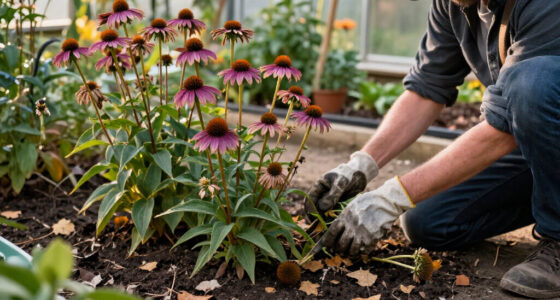
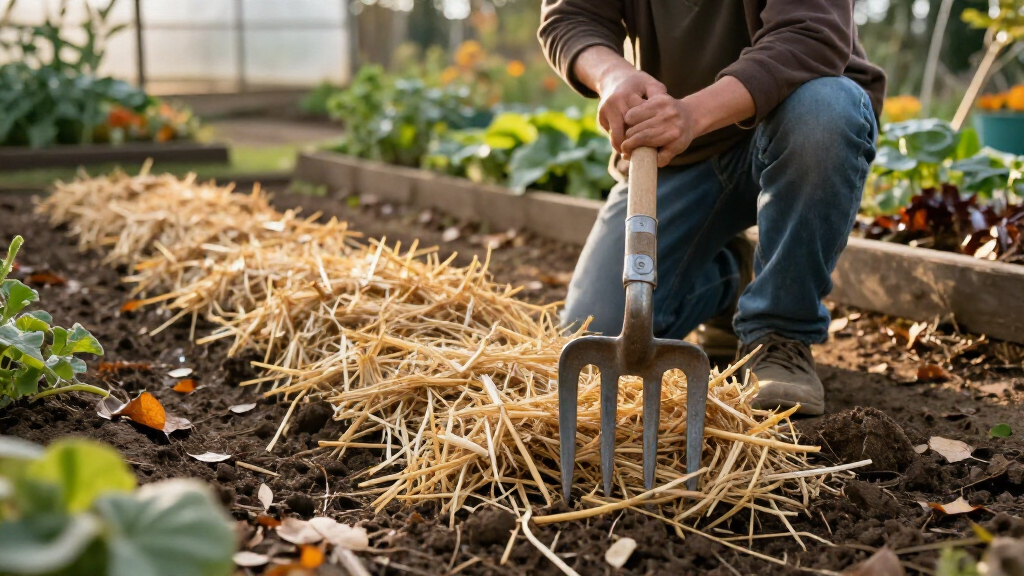
The report advises using a trowel, standing weeder, dandelion weeder or hori-hori knife to lift roots rather than cutting weeds off at the soil surface. It warns that root fragments can resprout, including fragments left after a root snaps. Once weeds are removed, it suggests covering the area with two to three inches of mulch, such as compost, leaves or wood mulch.
Less Weeding During Spring Planting
Removing persistent weeds in fall may reduce competition for water, light and nutrients when garden plants begin growing again. That can make the busiest part of the gardening calendar easier to manage, especially in beds where spring bulbs and new perennial shoots make it harder to tell weeds from wanted plants.
The benefit is not automatic. Incomplete removal can leave viable roots, meaning the work may need to be repeated. Careful digging now takes more time than simply slicing off leaves, but the report’s central point is that the method matters more than the act of weeding alone.
Popular right now

De'Longhi Linea Classic Espresso Machine with Adjustable Milk Frother

Ninja Flip Toaster Oven and Air Fryer, 8-in-1, Stainless Steel, SP151

Dyson Ball Animal 2 Plus Corded Vacuum
As an affiliate, we earn on qualifying purchases.
Why Fall Conditions Can Help
The Homes & Gardens report frames October as a practical window rather than a fixed deadline. As plants die back, weeds can stand out more clearly, and soil may be moist enough to loosen roots. Those conditions can help gardeners remove perennial weeds before winter, while avoiding the risk of disturbing newly emerged flowers and bulbs in spring.
The recommendation applies to perennial weeds with persistent underground growth, not simply every unwanted plant in a garden. The report names dandelions, bindweed, couch grass and dock as examples. It also notes that hoeing off the visible growth is not a reliable substitute for extracting the roots, and may prompt some weeds to regrow.
Results Depend on Local Conditions
The report does not provide trial data measuring how much October weeding reduces spring growth, nor does it quantify time saved. Its advice is gardening guidance, not a guarantee that weeds will not return. Weather and soil conditions vary, and the report does not specify regional dates for frost or a single method suitable for every weed and garden bed.
It also does not give detailed disposal instructions for removed weeds or root fragments. Gardeners should avoid leaving viable pieces where they could take root again, but the source does not set out a specific disposal protocol.
Check Soil Before Starting
Gardeners considering the task should first check whether the soil is workable and whether frost is imminent. If conditions are suitable, identify perennial weeds, loosen the soil around them, and use a tool that can lift the full root network. Inspect the hole for broken pieces before replacing soil, since fragments may regrow.
After clearing the area, the report recommends adding a two- to three-inch layer of mulch. The practical outcome will become clearer in spring, when gardeners can see whether the targeted weeds return and how much further removal is needed.
Key Questions
Which weeds does the October advice cover?
The Homes & Gardens report focuses on perennial weeds, including dandelions, bindweed, couch grass and dock, which can regrow from underground roots or rhizomes.
Why is removing the whole root important?
The report says root or rhizome fragments left in the soil can regrow. Cutting off the visible growth alone may leave the underground network intact.
Can I weed if the ground is wet or frozen?
The advice is to work when soil is moist and loose, but not waterlogged or frozen. The report also recommends finishing before frost arrives.
What should I do after removing the weeds?
The report suggests covering the cleared ground with two to three inches of mulch, such as compost, leaves or wood mulch.
Source: rss