
TL;DR

Get garden gear delivered free with Prime
- Fast, free delivery on millions of items
- Prime Video, Amazon Music and more included
- Member-only deals all year
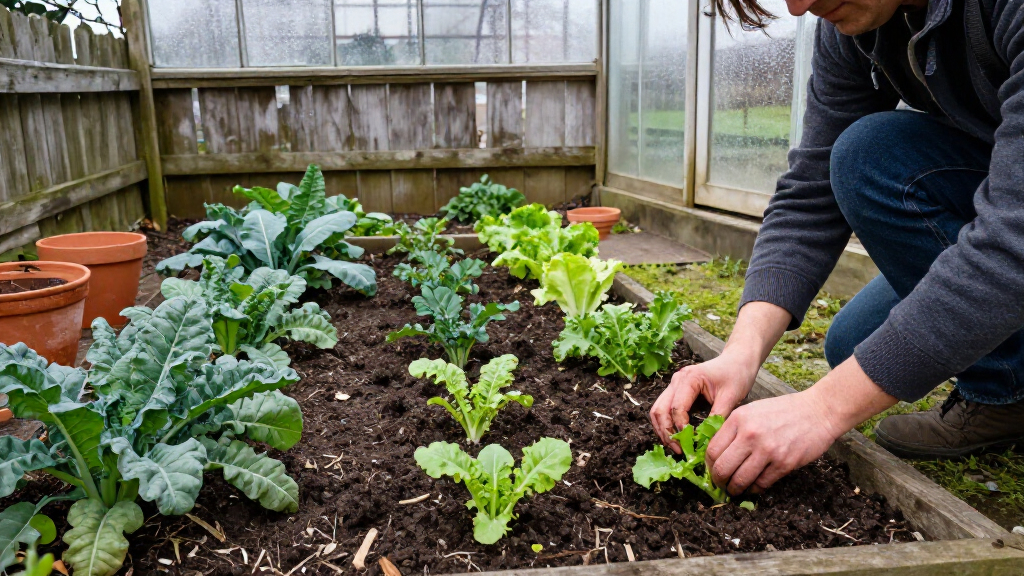
Planet Natural describes three alternative plans for a 4-by-4-foot vegetable bed in mild-winter regions: salad leaves, roots with greens, or brassica transplants. The guidance stresses checking local planting calendars because coastal, southern, and low-desert conditions differ, and November planting does not guarantee a harvest within 30 days.
Planet Natural has outlined three alternative ways to plant a 4-by-4-foot vegetable bed in November in mild-winter regions: salad leaves, roots paired with greens, or brassica transplants. The report says gardeners should first check local planting calendars, because a frost-free coast, a southern garden with occasional freezes, and a low-desert bed do not share one planting schedule.
The three layouts are alternatives, not crops to combine in a single small bed. The report frames each as a choice based on the gardener’s priorities and what the local calendar still supports. It also cautions that November planting may provide food later in winter but does not promise a harvest in 30 days. Short days, shade, temperature, soil, and crop variety can all affect growth.
The salad plan divides the bed into four 2-foot squares: two for lettuce, one for arugula, and one for a locally recommended Asian salad green such as mizuna. Gardeners should follow spacing guidance, sow only where conditions and the local calendar allow, and harvest established plants lightly from the outside leaves. The report advises keeping seed rows moist during germination without washing seeds away.
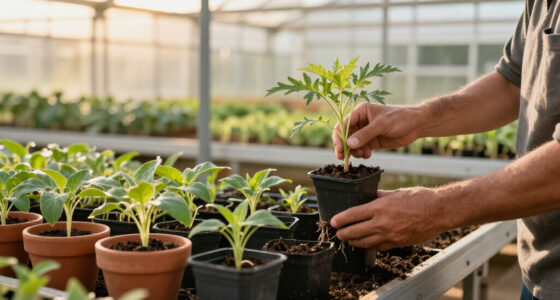
The roots-and-greens option assigns half the bed to radishes, a quarter to carrots, and a quarter to leafy transplants such as chard, provided those crops remain suitable for November locally. The brassica option uses two compact broccoli plants and space for kale only if mature spacing allows. The report says to check actual cultivar size before buying; a small bed cannot accommodate a full tray of broccoli, cabbage, and kale at normal spacing.
Small Beds Need Local Timing
The advice matters to gardeners deciding what to plant as the growing season changes. A modest bed has limited space, and sowing a crop outside its regional window can tie up that space without producing the intended harvest. Choosing one plan and matching it to local conditions gives gardeners a clearer way to use the bed than treating every mild-winter location as equivalent.
The report also sets realistic expectations: seed-packet maturity estimates are not guarantees, particularly in a shaded or cold November bed. Radishes may provide an earlier harvest than carrots, while leafy plants can be picked gradually once established. Understanding those different timelines can help households plan for staggered harvests rather than expecting every crop to mature together.
For gardeners buying starts, the spacing warning has practical consequences. Two broccoli plants may use most of a 4-by-4-foot bed, depending on the cultivar. Trying to fit additional plants at full size can lead to crowding, so the report recommends choosing plants for mature dimensions rather than the number of nursery plugs available.
Popular right now

iRobot Roomba Max 715 Pet Robot Vacuum with AutoEmpty Dock

Apple AirPods Pro 3 Wireless Earbuds with Active Noise Cancellation

Roborock RockNeo Q110H Wire-Free Robot Lawn Mower
As an affiliate, we earn on qualifying purchases.
Three Climates, Different Calendars
The report distinguishes among three broad settings. On a frost-free coast, cool-season crops may suit November, but marine cloud, shorter days, and winter shade can slow growth. It cites UC Master Gardeners of Orange County as recommending nursery starts for most cool-season vegetables in November, with crop-specific exceptions; that advice is not presented as a calendar for every coast.
In southern gardens with occasional frost, cool-season vegetables may be more practical than warm-season crops, but cold fronts remain a consideration. Florida’s north, central, and south planting regions differ, so the report directs readers to a county-specific calendar rather than applying dates across the state. It advises having supported row cover ready when the forecast warrants it.
In the low desert, November can be an active planting period, but elevation matters. The report points to the University of Arizona’s elevation-based planting guide and cautions that a low-desert schedule does not apply to high-desert or mountain gardens. Warm daytime conditions can also dry shallow seedbeds. Across all three settings, the report’s central instruction is to choose the regional version before buying seed or interpreting maturity estimates.
Harvest Dates Remain Variable
The report does not give a single planting date or harvest forecast that applies to every mild-winter location. It does not specify the reader’s local climate, elevation, bed exposure, soil conditions, or chosen varieties. Those factors affect whether a crop is still suitable to sow and how quickly it will grow.
“Days to maturity” on seed packets should be treated as an estimate under favorable growing conditions, the report says. It provides no guaranteed harvest date for any of the three plans. The specific planting window for a crop must be checked against a local calendar, and some crops named in the layouts may need to be replaced if the regional sowing window has passed.
Check Local Dates Before Planting
Before buying seed or transplants, gardeners should consult the planting calendar for their county or region and confirm that the selected crop remains suitable for November. They should then choose one layout, check mature plant spacing, and account for the bed’s light and available growing time.
After planting, the next steps differ by crop: keep seed rows from drying during germination, water established transplants according to soil conditions, thin direct-sown root crops, and monitor forecasts for possible frost. The report offers no single follow-up date; harvest timing will depend on local conditions and plant development.
Key Questions
What are the three November bed plans?
Salad leaves with lettuce, arugula, and a suitable Asian green; roots and greens with crops such as radishes, carrots, and chard; or a brassica-focused layout using compact broccoli transplants and kale only if there is room. They are alternatives, not a combined planting plan.
Can these plans be used anywhere with a mild winter?
No single schedule fits every mild-winter region. The report distinguishes frost-free coastal gardens, southern locations with occasional freezes, and low-desert gardens, and advises checking a local calendar that reflects the garden’s region and elevation.
Will a November planting be ready in 30 days?
Not necessarily. The report says planting in November may supply food later in winter but does not promise a harvest within 30 days. Short days, shade, cold, and variety can affect growth, and packet maturity figures are estimates under good conditions.
How many broccoli plants fit in a 4-by-4-foot bed?
The suggested brassica plan starts with two compact broccoli plants, with kale added only if mature spacing permits. The report says to check the cultivar’s spread and notes that a small bed cannot hold a full tray of broccoli, cabbage, and kale at normal spacing.
Source: planetnatural.com