TL;DR

Get garden gear delivered free with Prime
- Fast, free delivery on millions of items
- Prime Video, Amazon Music and more included
- Member-only deals all year
Goldenrod is drawing bees in fall because its clustered flowers offer nectar and pollen when many summer blooms have faded. Experts cited by Homes & Gardens say the North American perennial can support bees preparing for winter, but gardeners should select a species suited to local conditions and available space.
Goldenrod is attracting bees in October as its clusters of late-season flowers provide nectar and pollen after many summer blooms have faded, according to a Homes & Gardens report. The North American perennial could help support bees preparing for winter, but gardeners are advised to check which species are suitable for their location and garden size.
Goldenrod, also known by its botanical genus name Solidago, produces dense plumes of small flowers. Master gardener Tabar Gifford, quoted by Homes & Gardens, said the clusters let bees gather substantial amounts of nectar and pollen without moving between many plants. The timing also matters: goldenrod flowers as some major summer nectar sources decline.
Nectar supplies energy, while pollen provides protein and other nutrients, Gifford said. Those resources can be important in late summer and fall, when some bees are building reserves for winter and solitary bees may be completing the reproductive stage of their life cycle. Gifford added that fall flowers are visited by bumble bees, including new queens accumulating energy before winter.
Mary Phillips, head of Native Plant Habitat & Certifications at the National Wildlife Federation, described goldenrod as a source of late-season nectar and pollen. She said its flowers can help native bees build resources before winter and that the plant has evolved alongside more than 50 types of specialist native bees. Those are expert statements cited by the gardening report; it does not provide measurements of bee visits or a local assessment of the benefits of planting goldenrod.
Why Fall Food Sources Matter
As flowering plants become less abundant toward the end of the growing season, late-blooming plants can extend the period when food is available to pollinators. The report’s experts connect goldenrod’s value to both its timing and the volume of flowers on each plant. Bees use nectar for energy and pollen for nutrients, while some bees need to build reserves before winter.
Supporting new bumble bee queens may also matter beyond the current season. Gifford said queens that survive winter can emerge the following spring and establish colonies. This is a reason the report gives for keeping late-season flowers in a garden, rather than treating fall color as purely decorative. The report does not claim that a single planting guarantees bee survival or colony growth.
For gardeners, goldenrod offers a way to combine fall color with pollinator food. Its usefulness depends on choosing a plant that fits local conditions, however. Species differ in height, spread and preferred habitat, and the report cautions that a vigorous plant may suit one yard but be unsuitable in another.
Goldenrod flowering plants for bees
As an affiliate, we earn on qualifying purchases.
As an affiliate, we earn on qualifying purchases.
Choosing Goldenrod for a Yard
The report describes goldenrod as a long-lived, clump-forming perennial that can establish and spread through rhizomes. It says there are about 75 species in North America, with different species adapted to particular habitats. That range makes checking the plant’s local suitability an important step before adding it to a garden.
Examples in the report include Fireworks goldenrod, which it says grows about 3 to 4 feet tall and 2 to 3 feet wide and is suited to USDA hardiness zones 4 through 9. Solidago sphacelata ‘Golden Fleece’ is described as a more compact option, reaching about 1 to 2 feet. Zigzag goldenrod, Solidago flexicaulis, is presented as a choice for sun or partial shade, including woodland edges. These dimensions and growing details are from the report, not a substitute for checking a plant label or local growing guidance.
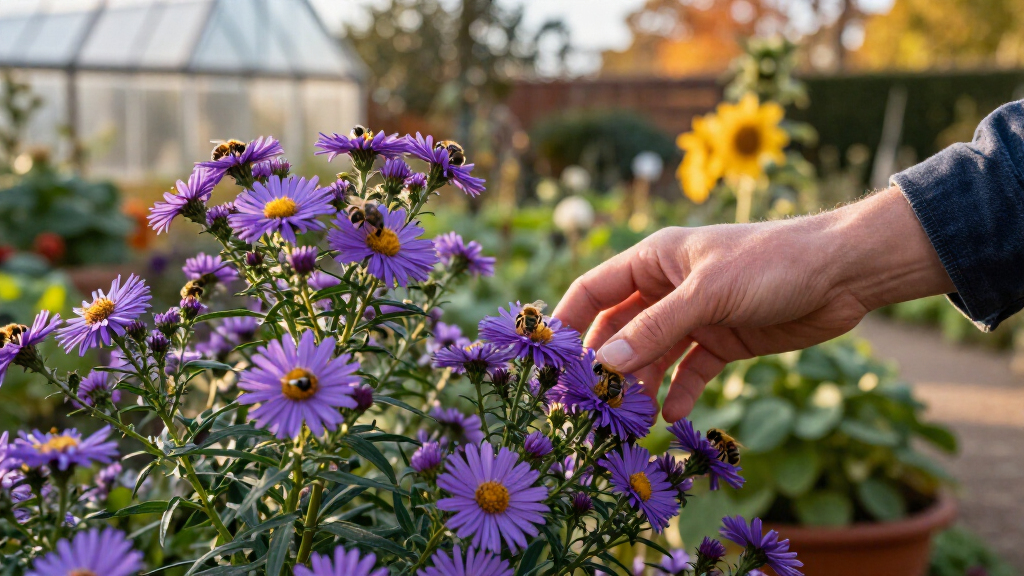
Phillips advised readers to use the National Wildlife Federation’s Native Plant Finder to identify plants native to their ZIP Code. The report also names asters as useful companions: planted with goldenrod, they can provide a succession of nectar and pollen as the garden winds down. It recommends leaving goldenrod seedheads in place, describing them as a food source, though the supplied report ends before giving further detail about that benefit.
“Goldenrod produces masses of tiny flowers packed into its showy plumes, giving bees access to a lot of nectar and pollen without having to travel from plant to plant.”
— Tabar Gifford, master gardener, as quoted by Homes & Gardens
What Gardeners Still Need to Check
The report gives general gardening guidance, not a forecast of when goldenrod will bloom in every region. Flowering dates can depend on species and local conditions, and the supplied material does not specify a particular location, year’s weather or measured bee counts. It also does not quantify how much planting goldenrod changes pollinator numbers or survival.
Gardeners still need to confirm whether a selected species is native and appropriate for their area, as well as whether its mature height and spread fit the space. The article’s examples have different growth habits, and its warning about vigorous plants makes local identification relevant. The report does not provide detailed planting instructions, such as soil requirements or watering schedules for each species.
Next Steps for Fall Planting
Readers considering goldenrod can first check the Native Plant Finder for species suited to their ZIP Code, then compare each plant’s mature size and light preferences with the intended garden spot. The report points to asters as a companion for extending late-season flowering, while other named options include sedum and coneflower. It does not specify a planting calendar or say that all listed varieties will thrive in every region.
For existing goldenrod, the report suggests leaving seedheads in place as a food source. The practical next step is to follow local growing guidance and observe whether the chosen plants flower during the period when other garden blooms are fading. No new policy, study release or official action is reported; the development is a seasonal gardening recommendation focused on fall pollinator food.
Key Questions
Why do bees visit goldenrod in October?
Goldenrod blooms late in the season, when some summer nectar sources are fading. Its small flowers grow in dense clusters that offer bees access to nectar and pollen.
What do nectar and pollen provide to bees?
As master gardener Tabar Gifford explains in the report, nectar provides energy, while pollen supplies protein and other nutrients used in growth and reproduction.
Which goldenrod should I plant?
It depends on your location, available space and growing conditions. Mary Phillips advises checking the National Wildlife Federation’s Native Plant Finder for species native to your ZIP Code and reviewing each plant’s mature size and habitat needs.
Can goldenrod be planted with other fall flowers?
Yes. The report identifies asters as a useful companion, because goldenrods and asters can provide a succession of nectar and pollen late in the season. It also lists sedum and coneflower as potential companions.
Does the report prove goldenrod increases bee populations?
No. The report cites expert explanations of why goldenrod can provide seasonal food, but it gives no bee-count data or measured population effects. It supports the plant as a food-source option, not a guarantee of increased bee numbers.
Source: rss
Fall yard work Picks
leaf blowers
As an affiliate, we earn on qualifying purchases.