TL;DR

Get garden gear delivered free — and shop member deals
- Fast, free delivery on millions of items
- Access to Prime Big Deal Days deals on October 6–7
- Prime Video, Amazon Music and more included
A Gardener’s Path report recommends renovating strawberry plants, applying fertilizer, watering until the first frost and adding mulch once plants are dormant. The guide says timing and local conditions matter: mulch too early can encourage growth, while severe cold can damage exposed crowns.
Gardener’s Path has published a guide to winterizing strawberry plants, recommending gardeners renovate plants after harvest, fertilize, keep watering until the first frost and apply mulch after the plants go dormant. The advice is aimed at helping perennial strawberries withstand cold-season damage and produce again in spring, particularly where the ground freezes.
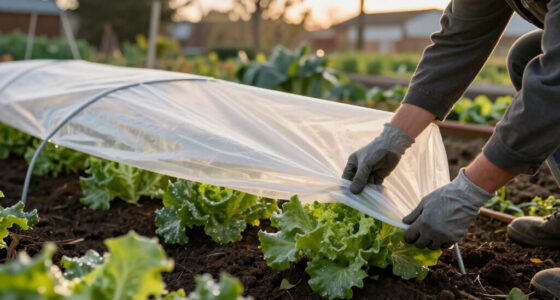
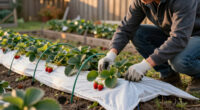
The report identifies four winter risks: damage to next spring’s buds, root stress from repeated freezing and thawing, soil movement that can push plants out of the ground, and drying around the crown, where stems originate. Anti-frost blankets are another option for protecting plants from winter cold. It says many strawberry types need 200 to 300 chill hours—time between 45°F and 32°F—for optimal fruit production, but cold exposure can still be harmful. The report cites University of Minnesota Extension horticulturalist Emily Hoover as saying temperatures of 15°F or below can cause fatal crown damage.
Preparation begins with renovation after the final harvest. For June-bearing varieties, the guide advises cutting foliage to one or two inches above the crown, thinning plants and removing weeds, debris and runners as needed. It cautions that mowing a large patch should happen no more than a week after the last harvest, to avoid damaging new leaves. For everbearing and day-neutral varieties, it recommends removing damaged or diseased leaves and thinning remaining plants to about five per square foot. Diseased or pest-infested material should go in the trash, not the compost.
The next steps are fertilizing and watering. The article attributes its fertilizer recommendation to Richard Jauron, an outreach horticulturist with Iowa State University Extension: use a balanced 10-10-10 fertilizer at five pounds per 100 feet of row, or one pound per 25 plants, at least a month before the average first frost. Apply it between plants rather than directly on foliage, then water it in. Until the first frost, the guide recommends one inch of supplemental water weekly when rain is insufficient, then adding free materials as mulch to protect plants through winter.
Protecting Crowns Through Freezing Weather
Winter care can affect whether a strawberry patch resumes growth in spring or suffers losses before the next growing season. The guidance focuses on keeping plants healthy through changing temperatures and preserving the crowns and buds that support future growth. Mulch serves as insulation, helping limit temperature swings and retain moisture while allowing drainage, according to the report.
The advice also offers a way to avoid treating every strawberry bed as an annual planting. The source says gardeners in cold regions sometimes discard plants after the season, but hardy cultivars and winter preparation may allow them to keep producing over multiple years. Results depend on plant type and local weather; the article does not promise survival in every climate.
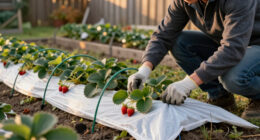
strawberry plant winter protection covers
As an affiliate, we earn on qualifying purchases.
As an affiliate, we earn on qualifying purchases.
Four Steps After the Harvest
The report distinguishes among June-bearing, everbearing and day-neutral strawberries because their fruiting patterns and renovation needs differ. June-bearing plants generally form buds in fall and produce one large crop the following season. Everbearing plants can produce three harvests, while day-neutral plants may flower and fruit through the growing season when temperatures stay within their stated range.
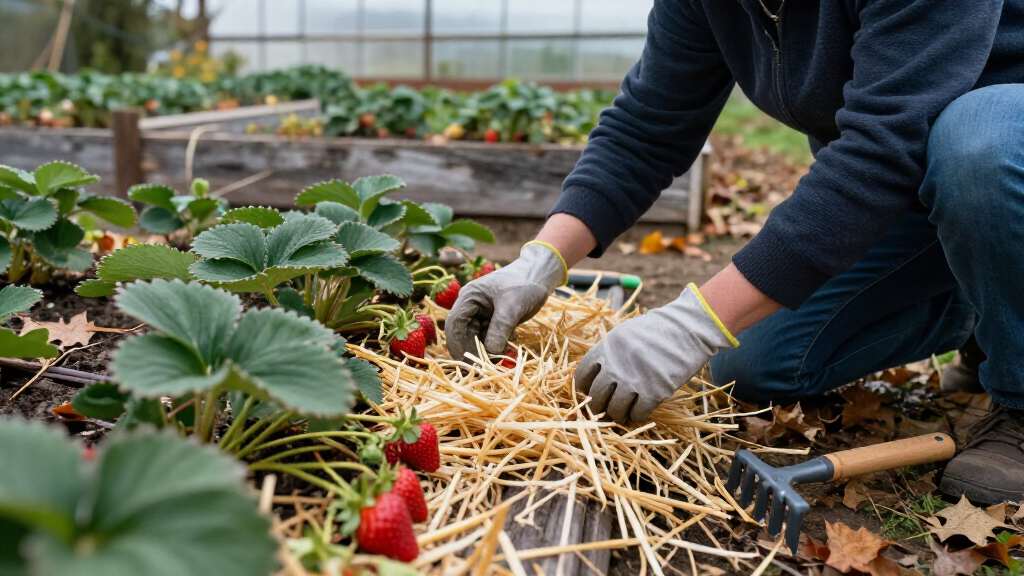
Once garden-grown plants are dormant, the guide says to apply mulch between late November and early December, after the first frost and before temperatures fall below 20°F. It warns against applying mulch too early: warm soil may prompt new growth, excessive trapped moisture may contribute to crown rot, and the cover may attract rodents still seeking shelter. Container-grown plants can follow the same preparation steps before being moved to a basement, shed or garage; they need only enough water to keep the soil from drying completely.
“Temperatures of 15°F or below can cause fatal damage to the crown.”
— Emily Hoover, horticulturalist at University of Minnesota Extension, as cited by Gardener’s Path
Local Frost Dates Shape the Schedule
The guidance gives general timing rather than a date that applies everywhere. A gardener’s first frost and hard-freeze dates, snow cover, growing conditions and strawberry variety affect when protection is appropriate. The report does not specify one mulch material or a single application depth in the supplied information, so readers should not assume a universal prescription. It also describes potential benefits, not a guarantee that every plant will survive winter.
The source’s temperature and chill-hour figures are presented as general guidance; individual cultivars and local conditions may differ. The article does not provide cultivar-specific cold tolerances or detailed regional recommendations.
Watch for Dormancy Before Mulching
Gardeners following the report should first complete post-harvest renovation and fertilizing on the schedule appropriate to their expected frost, then continue watering until the first frost if rainfall is inadequate. The final step is to wait until plants are dormant—when much of the foliage has browned and become floppy—before adding mulch, ideally after the first frost and before temperatures drop below 20°F.
Container growers can move prepared plants to a cold basement, shed or garage and check occasionally that the soil has not dried out completely. In garden beds, the practical next step is to monitor local weather and adjust the timing rather than applying mulch simply because the harvest has ended.
Key Questions
When should strawberry plants be mulched for winter?
The Gardener’s Path guide recommends mulching after the first frost, once much of the foliage is brown and floppy, generally between late November and early December and before temperatures fall below 20°F. Local frost timing varies.
How much water do strawberries need before winter?
Until the first frost, the report recommends about one inch of supplemental water per week when rain is insufficient. Dormant garden plants do not need supplemental irrigation during cold months; container plants in cold storage need only enough water to prevent the soil from drying completely.
Should all strawberry types be cut back after harvest?
No. The guide recommends cutting June-bearing foliage to one or two inches above the crown. For everbearing and day-neutral plants, it advises removing leaves that are damaged, diseased or affected by pests rather than applying the same full cutback.
Can strawberry plants in containers survive winter?
The report says container-grown plants can be prepared using the same general steps and moved to a basement, shed or garage. Keep the soil from drying out completely; the source does not give a specific temperature range for storage.
Source: rss
Halloween Picks
halloween
As an affiliate, we earn on qualifying purchases.