TL;DR

Get garden gear delivered free — and shop member deals
- Fast, free delivery on millions of items
- Access to Prime Big Deal Days deals on October 6–7
- Prime Video, Amazon Music and more included
Gardening Know How describes six materials from fall yard cleanup that gardeners can reuse as winter mulch instead of buying it. The report says to spread most materials after the ground begins to freeze, and gives cautions about leaf matting, diseased branches, fire risk and grass seeds.
Gardening Know How has published a guide to six materials from fall yard cleanup that gardeners can reuse as winter mulch for perennial beds, rather than sending them to the curb and buying mulch. The report says mulch can help limit soil temperature swings that contribute to frost heave, and recommends applying most materials after the ground begins to freeze.
The six materials named are shredded deciduous leaves, pine needles, chipped branches, evergreen boughs, ornamental grass trimmings and, in the source report’s remaining guidance, other suitable garden debris from seasonal cleanup. The article explains that these materials differ in preparation and use; it does not suggest that every material is appropriate for every garden or plant.
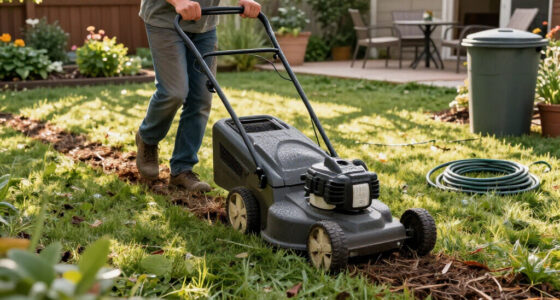
Leaves should be shredded before use, the report says, because whole leaves can pack into a wet mat that holds moisture against plant crowns and restricts water movement. It singles out black walnut leaves as a concern for sensitive plants such as tomatoes, recommending composting them before using the resulting compost elsewhere. Pine needles can be spread without shredding, but the report cautions that pine straw can present a fire hazard in dry or fire-prone areas and should be kept away from homes and other structures.
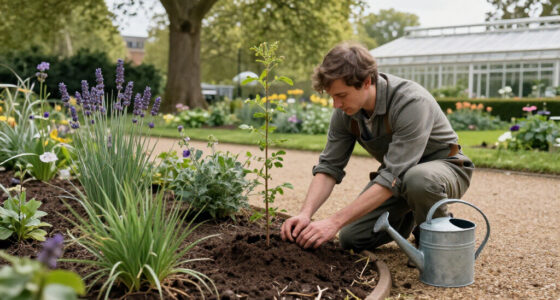
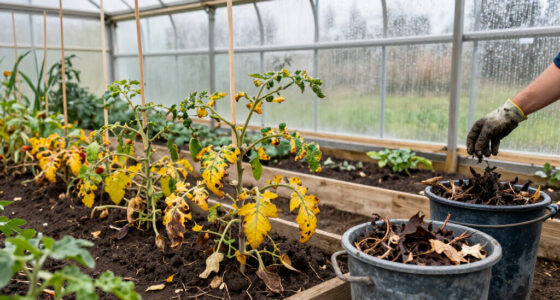
For woody material, the guide recommends chipping healthy branches and keeping the resulting mulch a few inches from perennial stems and crowns. It warns against spreading chips from diseased trees or shrubs. Evergreen boughs can be laid loosely over beds, while grass stems should be cut into short pieces and stripped of seed heads to reduce unwanted self-sowing. The source does not provide a complete set of instructions for the sixth material in the supplied excerpt, so its identity and handling details cannot be independently specified here.
How Yard Debris Can Protect Beds
Reusing suitable yard waste can reduce the amount of material sent out with fall cleanup and provide a no-purchase option for protecting perennial beds. The practical benefit described in the report is more stable soil temperatures: repeated freezing and thawing can lift shallow roots and newly planted perennials, a process known as heave, leaving them exposed to cold and drying winds.
The guidance is conditional rather than a promise that mulch will prevent winter damage. Gardeners need to select clean material, prepare it appropriately and keep it away from plant crowns where advised. The article also notes that timing matters: spreading mulch after the ground starts to freeze can help moderate later temperature swings without applying it too early.
garden mulch materials for winter protection
As an affiliate, we earn on qualifying purchases.
As an affiliate, we earn on qualifying purchases.
Preparing Perennial Beds for Winter
The report describes a familiar seasonal pattern: fallen leaves collect in yards, vegetable plants fade, and homeowners often bag the debris before later purchasing mulch for perennial beds. Its central proposal is to reuse appropriate parts of that cleanup instead. The guide focuses on materials already available in the yard, not on a new product or a change in gardening rules.
It distinguishes winter mulch from a general layer applied at any time. According to the source, most of these materials are best spread once the soil has begun to freeze. Some plants, such as ornamental grasses, may also benefit from being left standing through winter; the report says to cut them earlier only when they have flopped over or are blocking a path.
““Much of that fall cleanup can be shredded and spread over perennial beds as winter mulch.””
— Gardening Know How
Limits in the Available Guidance
The supplied source text ends partway through its section on ornamental grass trimmings, after stating that chopped stems can be spread loosely around perennial beds. Although the headline promises six materials, the excerpt provides detailed descriptions of only five categories: shredded leaves, pine needles, chipped branches, evergreen boughs and grass trimmings. The sixth material and its instructions are not included in the material available for this article.
The source also gives no publication date, regional guidance or plant-by-plant recommendations. Its general advice may not fit every climate, soil or garden; readers should check whether a material is suitable for the plants and conditions they have. No specific performance data or comparison with purchased mulch is provided.
Before Spreading Fall Materials
Gardeners following the report’s advice can gather and store dry leaves or needles, set aside healthy branches for chipping, and wait until the ground begins to freeze before spreading most materials. They should keep woody mulch away from crowns, avoid diseased plant debris, and account for the fire risk of pine straw near buildings. Grass seed heads should be removed before using trimmings.
The source excerpt does not identify the sixth material, so that part of the list cannot be covered without additional reporting. The next useful step is to consult the complete Gardening Know How article and match its instructions to local growing conditions before applying yard debris to beds.
Key Questions
When should winter mulch be spread?
The report recommends applying most of these materials after the ground has started to freeze, rather than spreading them early in fall.
Can whole leaves be used as mulch?
The guide recommends shredding leaves first. Whole leaves can form a wet, compacted mat that holds moisture against plant crowns and impedes water movement.
Are pine needles safe to use near a house?
The report warns that pine straw can be a fire hazard in dry or fire-prone areas and advises keeping it about 1 meter, or a few feet, from homes and other structures.
Which branch chips should gardeners avoid?
Do not use chips made from diseased trees or shrubs, the report says, because they may spread problems around the garden. Keep suitable chips a few inches away from stems and crowns.
Source: rss
Fall yard work Picks
leaf blowers
As an affiliate, we earn on qualifying purchases.