TL;DR

Get garden gear delivered free with Prime
- Fast, free delivery on millions of items
- Prime Video, Amazon Music and more included
- Member-only deals all year
A Grow Organic guide explains that coconut coir can change how potting mixes hold water and air, but it is not a complete fertilizer. Results depend on coir texture, product processing, the plant and its watering and feeding routine.
Grow Organic’s guide to coconut coir explains how the coconut-husk material can alter moisture retention and airflow in garden mixes, while warning that it does not supply complete plant nutrition. The guidance matters to gardeners considering coir as a peat alternative because product texture, salt levels and watering practices can affect whether it suits a particular crop.
Coir is made from coconut husks processed into fibers, chips and fine particles known as pith. The guide says fine coir can hold several times its dry weight in water, though capacity varies according to particle size and processing. Coarse fibers and chips behave differently and may add drainage to an appropriate blend. Compressing any mix too tightly can reduce the air space roots need.
The report advises buyers to check whether coir is washed, buffered or tested. Washing reduces soluble salts; buffering changes how the material interacts with nutrients. Those treatments are not interchangeable. Coir can affect calcium and magnesium availability, so the guide advises matching fertilizer to the crop and product rather than adding supplements automatically. It says buyers should seek salt measurements and the test method when available.
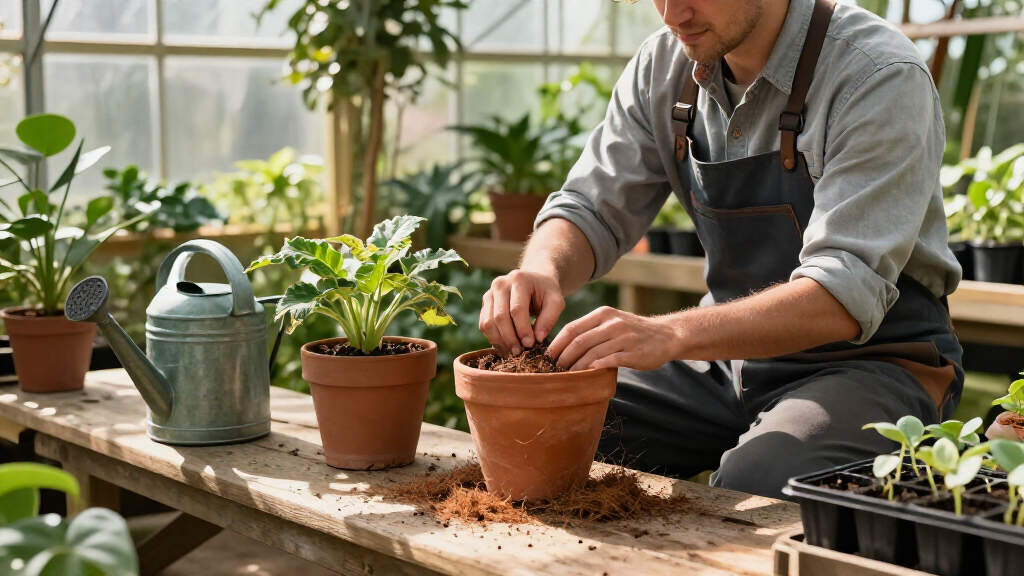
Compressed coir bricks should be expanded in a container large enough for the finished volume, using the product’s directions. For containers and vegetables, the guide recommends a prepared or tested growing-media blend, clear drainage holes and a feeding plan. It also advises checking moisture below the surface before watering. Coir pH is often around 5.5 to 6.8, but the finished mix and irrigation water also affect growing conditions.
Coir Changes Watering and Feeding
For gardeners, coir’s main value is its effect on the physical structure of a growing medium. Fine pith can help a mix retain moisture; chunkier material provides a different balance of air and drainage. That can be useful in containers, seed-starting blends and some soil-amendment projects, but the guide does not present one form or recipe as suitable for every plant.
The trade-off is that moisture retention does not equal nutrition. Plants grown in coir alone, including in managed systems such as hydroponics, require an appropriate nutrient solution or fertilizer program. Gardeners who add coir to an existing potting mix should first check its ingredients: the mix may already contain coir or other moisture-retaining materials. Too much additional material could change watering needs in ways that require monitoring.
The report also cautions against treating coir as a cure for poor garden drainage. It may help sandy soil retain water, but it will not resolve compaction or standing water in clay soil. Addressing drainage problems and testing a small area before broad application can reduce the risk of a larger amendment failing to suit local conditions.
As an affiliate, we earn on qualifying purchases.
Choosing Coir by Form and Processing
The terms “coco coir” and “coco peat” can be used inconsistently by sellers. In the guide, coir is the broad category, while coco peat generally refers to fine, spongy pith. Products labeled as coir soil may be coir alone or a blend, so gardeners are advised to read the ingredient and preparation details rather than rely on the product name.
Coir is a byproduct of the coconut industry and can be used as an alternative to peat moss. The guide says that this does not by itself establish a product’s overall environmental impact: processing water, salt disposal and shipping also matter. It similarly advises growers seeking organic products for certified production to confirm that a product is accepted by their certifier.
“The benefits of coconut coir are mostly physical: it changes how a mix holds moisture and air.”
— Grow Organic guide
Product Differences Need Checking
The source does not identify a specific coir brand, publish independent test results or give a universal mixing rate. It says salt levels and water-holding capacity vary with processing and particle size, but provides no product-by-product measurements. Gardeners therefore need to consult labels and available test data for the coir they intend to use.
The guide also does not specify one fertilizer schedule, watering frequency or amendment ratio for all plants and soils. Those choices depend on crop needs, existing mix ingredients, irrigation water and local drainage. Its pH range is a general description of coir, not a guarantee of the pH of a finished growing mix.
Test a Small Mix First
The guide recommends starting with a clear growing goal, choosing the coir form for that task and following the product’s hydration directions. Gardeners can then try a small batch or test area, monitor watering and plant response, and adjust the blend or feeding plan before using coir more widely. For certified organic production, the next check is with the relevant certifier.
Readers comparing products should look for details on texture, washing, buffering and salt testing, and compare bricks by their expanded volume and instructions. The source does not announce a follow-up study or new product; its practical recommendation is to base use on product specifications and the needs of the particular crop.
Key Questions
What is coconut coir useful for?
Coir can be used in seed-starting blends, container growing, hydroponic systems and selected soil-improvement projects. Its usefulness depends on its texture, salt content and the plant’s moisture and nutrient needs.
Can plants grow in coir alone?
Yes. Coir can serve as a stand-alone growing medium, especially in managed systems, but it does not provide a complete nutrient supply. Plants need an appropriate fertilizer program or nutrient solution and suitable irrigation.
Can I mix coir into potting soil?
Yes, but check the existing ingredients first. Some potting mixes already contain coir or other materials that retain moisture. Adding more changes the mix’s water retention and aeration, so monitor moisture and follow any fertilizer instructions on the mix.
What should I check before buying coir?
Check its particle size and processing details, including whether it has been washed, buffered or tested for salts. These terms describe different things; ask for salt measurements and the test method when available.
Is coir automatically an environmentally low-impact choice?
No. Coir is a coconut-industry byproduct and an alternative to peat, but the guide says that processing water, salt disposal and shipping also affect environmental impact. The source does not provide comparative impact measurements for specific products.
Source: rss
Columbus Day / Indigenous Peoples' Day Picks
long weekend sales
As an affiliate, we earn on qualifying purchases.