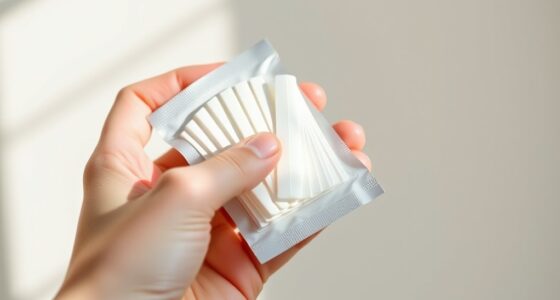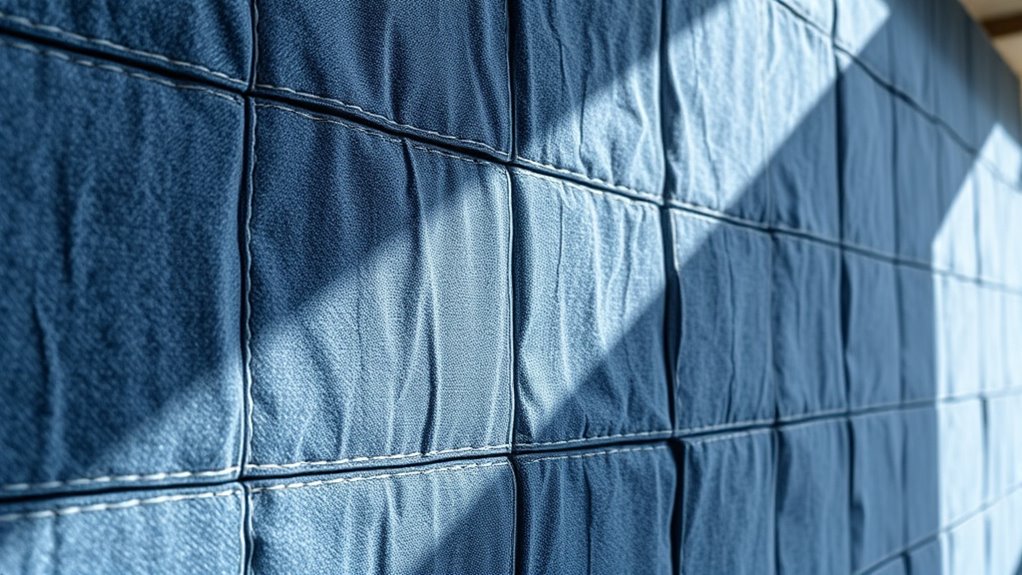

Choosing the right recycled denim insulation panels involves balancing acoustic performance, installation ease, and eco-conscious manufacturing. The ATS Acoustics Soft-Touch Batts stand out for their superior sound absorption and thermal properties, making them ideal for those seeking comprehensive insulation with a soft touch. Meanwhile, the Denim Insulation Acoustic Panels excel in ease of installation and aesthetic flexibility, perfect for DIY projects or quick upgrades. Both options have their tradeoffs: the batts provide better thermal and acoustic performance but require more handling, while the panels are more straightforward to install but may need multiple units for larger coverage. Here’s a closer look at each to help you decide which suits your needs best.
Complete the kit


Key Takeaways
- The ATS Batts offer higher NRC ratings and better thermal insulation, making them suitable for comprehensive soundproofing and energy efficiency.
- The Denim Acoustic Panels are easier to install and handle, ideal for quick, DIY-friendly acoustic enhancements.
- Both products are made from recycled denim, but they differ in thickness, coverage, and application style.
- Choosing between them depends on whether your priority is acoustic performance or ease of installation.
- Tradeoffs include the potential need for multiple panels or batts to cover large areas, and differences in handling comfort.
| ATS Acoustics Soft-Touch Sound Absorbing Insulation Recycled Cotton, Denim and Synthetic Textile Batts, 2 Inch Thick, 2.5 PCF, Case of 6 |  | Best Overall for Acoustic and Thermal Performance | Material: Recycled denim and synthetic textiles | Thickness: 2 inches | Density: 2.5 PCF | VIEW ON AMAZON | See Our Full Breakdown |
| Denim Insulation Acoustic Panels, 24 x 24 inches, 8 Pack |  | Best for Easy Installation and DIY Projects | Size: 24 x 24 inches | Thickness: 1 inch | Pack Quantity: 8 | VIEW ON AMAZON | See Our Full Breakdown |
| recycled denim insulation panel | Material | Thickness | Pack quantity | Density |
|---|---|---|---|---|
| ATS Acoustics Soft-Touch Sound | Recycled denim and synthetic textiles | 2 inches | 6 | 2.5 PCF |
| Denim Insulation Acoustic Pane | Polyester non-woven fabric | 1 inch | 8 | — |
More Details on Our Top Picks
ATS Acoustics Soft-Touch Sound Absorbing Insulation Recycled Cotton, Denim and Synthetic Textile Batts, 2 Inch Thick, 2.5 PCF, Case of 6
This option stands out for its impressive NRC rating of 1.05, comparable to other high-performance insulation materials like fiberglass or mineral wool. The 2-inch thickness and density of 2.5 PCF provide excellent sound absorption and thermal insulation, making it versatile for both acoustic and energy-saving applications. Compared with the denim panels, these batts are bulkier and require more handling during installation, but they offer superior soundproofing and thermal benefits. They are manufactured in the USA, emphasizing quality and eco-conscious sourcing. However, their bulkiness can be a drawback for tight spaces or DIY installers seeking quick solutions.
Pros:- High NRC rating for effective sound absorption
- Good thermal insulation properties
- Made from recycled denim and textiles
Cons:- Bulkier and more challenging to handle
- Higher cost per unit compared to panels
- Less suited for small or tight spaces
Best for: Homeowners or professionals who need comprehensive soundproofing and insulation combined, especially in walls or ceilings.
Not ideal for: Those looking for lightweight, quick-install options or small-scale DIY projects with limited space.
- Material:Recycled denim and synthetic textiles
- Thickness:2 inches
- Density:2.5 PCF
- Size per batt:24″ x 48 inches
- Pack quantity:6
- Manufactured in:USA
Our verdict“A top choice for those prioritizing acoustic and thermal performance despite handling challenges.”
Denim Insulation Acoustic Panels, 24 x 24 inches, 8 Pack
This product is designed primarily for acoustic enhancement with an emphasis on user-friendliness. Made from polyester non-woven fabric, these panels are lightweight and easy to handle, making installation straightforward even for beginners. Although their NRC and echo control capabilities are effective, they generally don’t match the thermal insulation or soundproofing of denser batt options. The 1-inch thickness and modular 24 x 24-inch design allow for flexible placement, but large areas may require multiple panels, which can increase overall cost. Limited color options might also restrict aesthetic customization.
Pros:- Easy to install and handle
- Effective noise and echo reduction
- Made from recycled, skin-friendly materials
Cons:- May require many panels for large coverage
- Limited color and aesthetic options
- Less effective for thermal insulation
Best for: DIY enthusiasts or renters seeking quick, non-permanent acoustic improvements without extensive handling or heavy materials.
Not ideal for: Those needing high thermal insulation or serious soundproofing in large, demanding spaces.
- Size:24 x 24 inches
- Thickness:1 inch
- Pack Quantity:8
- Material:Polyester non-woven fabric
- Eco-friendly:Yes
- Application:Acoustic treatment
Our verdict“An excellent pick for quick, DIY acoustic solutions, especially in smaller rooms or studios.”

How We Picked
To select the best recycled denim insulation panels for 2026, I focused on key factors including acoustic performance, ease of installation, eco-friendliness, and user convenience. I compared NRC ratings, thickness, and coverage options, emphasizing products that are made from high-quality recycled denim or textiles. The balance between cost, environmental impact, and practicality was central to my evaluation, along with user reviews and manufacturer specifications. This approach ensures I recommend options that suit different needs, whether for professional acoustic treatment or simple DIY upgrades.
| recycled denim insulation panel | Material |
|---|---|
| ATS Acoustics Soft-Touch Sound | Recycled denim and synthetic textiles |
| Denim Insulation Acoustic Pane | Polyester non-woven fabric |
Factors to Consider When Choosing Recycled Denim Insulation Panels
Selecting the right recycled denim insulation panels depends on your specific needs for soundproofing, thermal insulation, ease of installation, and aesthetic preferences. Understanding the differences between dense batt options and lightweight acoustic panels can help you make an informed decision that balances performance and convenience.Performance Factors
Look for NRC ratings if sound absorption is your main goal. Higher NRC indicates better noise reduction. For thermal insulation, consider thickness and density—denser, thicker batts generally insulate better but can be more challenging to handle. Panels with eco-friendly certifications also add to the sustainability of your project.
Ease of Installation
Lightweight panels are easier for DIY installation and require less handling, making them suitable for quick upgrades or rental spaces. Batts, while offering better insulation, may need more effort and proper fitting, especially in tight spaces or irregularly shaped areas.
Application and Space
Consider whether your project involves walls, ceilings, or smaller acoustic areas. Larger coverage areas benefit from bulkier batts, whereas panels are ideal for quick soundproofing in smaller or more accessible spaces. Think about aesthetic preferences too, as panels often have more finish options.
Frequently Asked Questions
Are recycled denim insulation panels safe for indoor air quality?
Yes, most recycled denim insulation panels are made from non-toxic, eco-friendly materials that do not emit harmful VOCs, making them safe for indoor environments. It’s always advisable to check for certifications and manufacturer claims to confirm safety standards.
Can I use recycled denim insulation panels in outdoor applications?
Recycled denim panels are primarily designed for indoor use, as exposure to moisture and weather can degrade their structure over time. For outdoor projects, consider weatherproofing or specialized outdoor insulation options.
How do I install recycled denim acoustic panels?
Most panels come with mounting hardware or adhesive options. For DIY projects, simply attach the panels to walls or ceilings, ensuring the surface is clean and dry. Batts require framing or cavity installation, which may be more labor-intensive but provide better thermal insulation.
Are recycled denim insulation panels environmentally better than fiberglass?
Generally, recycled denim panels are considered more eco-friendly due to their high recycled content, lower chemical emissions, and biodegradability. They also avoid the irritants associated with fiberglass handling, contributing to a healthier indoor environment.
What is the best way to maintain recycled denim insulation panels?
Maintenance usually involves keeping them free of dust and dirt. Acoustic panels can be cleaned with a vacuum or gentle brush, while batts generally require minimal upkeep. Ensuring proper ventilation helps maintain their condition over time.
Conclusion
For buyers prioritizing high acoustic and thermal performance, the ATS Acoustics Batts are the clear choice, especially for larger, permanent installations. DIY enthusiasts or those seeking quick acoustic improvements with minimal handling should opt for the Denim Acoustic Panels. Overall, both options leverage recycled denim, but your specific project size, handling preferences, and insulation needs will determine the best fit.