Water recirculation and sterilization are essential for keeping your water systems clean, safe, and efficient. You can use filtration to physically remove debris and improve clarity, while UV sterilization kills bacteria, viruses, and pathogens without adding chemicals. Proper system design and regular maintenance, like changing UV lamps, help guarantee continuous water quality. If you want to understand how these components work together to protect your water, keep exploring the details behind each step.
Listen free for 30 days with Audible
Thousands of audiobooks and originals — cancel anytime.
As an affiliate, we earn on qualifying purchases.
Key Takeaways
- Water recirculation systems maintain clean, safe water by continuously filtering and sterilizing to prevent microbial contamination.
- Filtration removes debris and organic matter, improving water clarity and protecting sterilization equipment.
- UV sterilization offers chemical-free, rapid disinfection by inactivating bacteria, viruses, and pathogens.
- Regular maintenance, including lamp replacement and flow monitoring, ensures optimal system performance.
- Combining effective filtration with UV sterilization creates a reliable, environmentally friendly water safety solution.
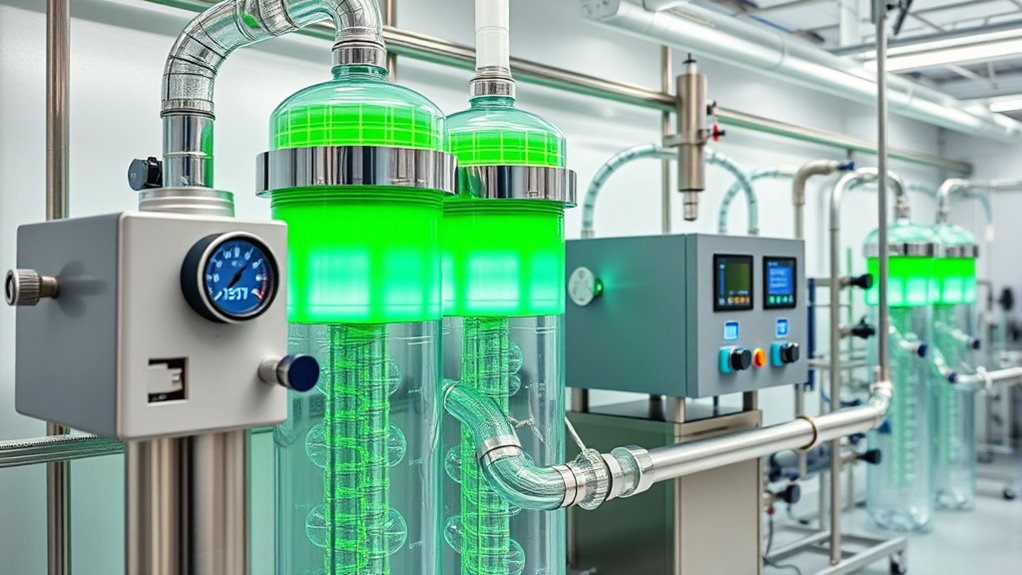
Water recirculation and sterilization are vital processes for maintaining clean, safe, and efficient water systems. When you’re managing water in a facility or an industrial setting, guaranteeing that water remains free of contaminants is essential. One of the most effective methods you can utilize is ultraviolet sterilization, which uses UV light to eliminate bacteria, viruses, and other pathogens without chemicals. UV sterilization is especially valuable because it provides a rapid, environmentally friendly way to disinfect water, making it ideal for continuous recirculation systems where water needs to stay pure over time. Pairing UV sterilization with advanced filtration systems enhances the overall quality of water, catching larger particles, sediments, and impurities before they can interfere with the sterilization process or damage equipment.
Water recirculation and sterilization ensure clean, safe, and efficient water systems through UV treatment and advanced filtration.
Filtration systems serve as the first line of defense in your water treatment process. They work by physically removing debris, dirt, and organic matter, reducing the load on subsequent sterilization methods. When you install high-quality filters, you improve water clarity and prevent clogging or fouling of UV lamps and other sterilization components. This step is vital because clean water allows UV light to penetrate more effectively, ensuring maximum disinfection efficiency. You should regularly maintain and replace filters to sustain peak performance, as dirty filters can diminish sterilization effectiveness and compromise water safety. Additionally, incorporating proper system design**** can optimize flow and sterilization outcomes, ensuring consistent water quality.
Ultraviolet sterilization is particularly advantageous because it doesn’t introduce chemicals into your water system. Unlike chlorination, UV treatment leaves no residual taste or odor and doesn’t produce harmful byproducts. When you implement UV sterilization, you also minimize the risk of chemical exposure for users, which is especially important in drinking water applications. Furthermore, UV systems are flexible and scalable, making them suitable for small-scale facilities or large industrial plants. They can be integrated seamlessly with your existing filtration systems, creating a robust barrier against microbial contamination.
To maximize the benefits of water recirculation and sterilization, you need to guarantee proper system design and regular maintenance. Check UV lamps periodically and replace them as recommended by the manufacturer, typically once a year, to ensure they emit sufficient UV intensity. Also, monitor flow rates so that water spends enough time under UV light for effective sterilization. Combining this with well-maintained filtration systems creates a reliable, ongoing process that keeps water safe and clean for your specific needs. By understanding and properly managing these processes, you safeguard your water system, protect public health, and ensure operational efficiency at all times.
As an affiliate, we earn on qualifying purchases.
Frequently Asked Questions
What Are the Latest Innovations in Water Sterilization Technology?
You’ll find that recent innovations in water sterilization include nanotechnology advancements and ultraviolet innovations. Nanotech enhances filtration efficiency, targeting even the tiniest microorganisms, while UV innovations now use more powerful, energy-efficient LEDs that quickly disinfect water. These advancements make sterilization faster, safer, and more sustainable, helping you guarantee clean water with less environmental impact. Stay updated on these cutting-edge technologies to improve water safety in your systems.
How Does Water Recirculation Impact Energy Consumption?
Imagine embracing a greener future as water recirculation substantially boosts your system efficiency. By reusing water, you cut down on waste and reduce energy consumption, leading to notable energy savings. This process optimizes your setup, ensuring it runs smoothly and sustainably. You’ll find your system becomes more cost-effective and environmentally friendly, allowing you to enjoy the benefits of responsible management while supporting a healthier planet.
Are There Eco-Friendly Sterilization Methods Available?
Yes, eco-friendly sterilization methods are available. You can use biodegradable disinfectants that break down naturally, reducing environmental impact. Solar sterilization harnesses sunlight to disinfect without chemicals or electricity, making it energy-efficient and sustainable. These options help you sterilize effectively while minimizing harm to the environment, supporting eco-conscious practices in various settings. You’ll find that adopting these methods benefits both the planet and your sterilization needs.
What Maintenance Is Required for Recirculation Systems?
Back in the day, maintenance is key to keeping your recirculation system running smoothly. You should regularly check filtration maintenance to prevent clogs and guarantee water quality. System calibration is also essential; it keeps flow rates and sensors accurate. Clean filters, inspect pumps, and verify all controls monthly. Don’t forget, timely replacement of worn parts and monitoring system performance help avoid unexpected breakdowns and extend your system’s lifespan.
How Do Sterilization Processes Affect Water Quality Over Time?
Sterilization processes can impact your water quality over time by reducing biofilm buildup, which helps prevent contamination. However, repeated sterilizations may cause chemical degradation of system components, potentially introducing impurities into the water. This can lead to fluctuating water quality, requiring you to monitor and adjust treatment procedures regularly. Proper sterilization techniques and maintenance guarantee your water remains clean and safe, minimizing long-term effects on water quality.
Conclusion
By understanding water recirculation and sterilization, you hold the key to keeping water clean and safe, like a guardian of a precious treasure. Properly managing these processes guarantees a sustainable future, preventing contamination and conserving resources. Think of your efforts as tending a delicate garden—your actions nurture a healthy environment for all. So, take charge, stay vigilant, and turn the tide toward cleaner, safer water for everyone.
NFL season / tailgating Picks
team gear
As an affiliate, we earn on qualifying purchases.