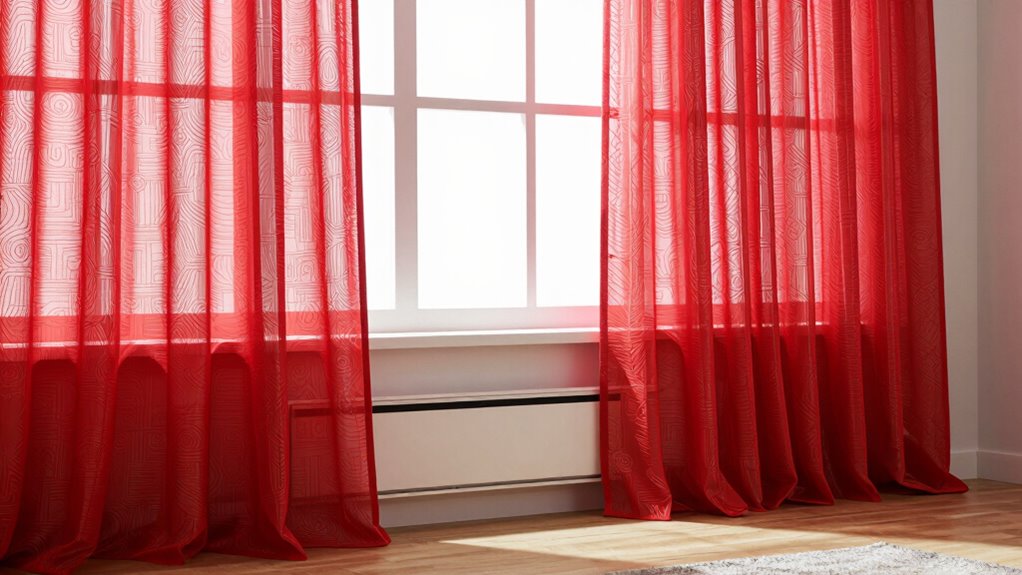

Energy curtains help you reduce heat loss through your windows without touching the thermostat. By choosing thick, tightly woven fabrics and installing them properly, you create an insulation layer that keeps warm air inside. Closing curtains at night and extending them beyond window edges enhances their effectiveness. Proper installation prevents gaps and drafts, maximizing savings and comfort. Want to discover more ways to keep warm efficiently? Keep exploring this simple solution to cut energy costs.

Get garden gear delivered free — and shop member deals
- Fast, free delivery on millions of items
- Access to Prime Big Deal Days deals on October 6–7
- Prime Video, Amazon Music and more included
Key Takeaways
- Energy curtains provide an insulating barrier that reduces heat transfer through windows, keeping warmth inside.
- Thick, tightly woven fabrics like thermal or blackout materials maximize insulation and block drafts.
- Proper installation, such as mounting curtains close to the ceiling and covering the entire window, ensures minimal heat loss.
- Closing curtains at night or during cold days traps warm air and prevents cold drafts from entering.
- Adding extra layers or sealing gaps around curtains enhances their effectiveness in retaining indoor heat.
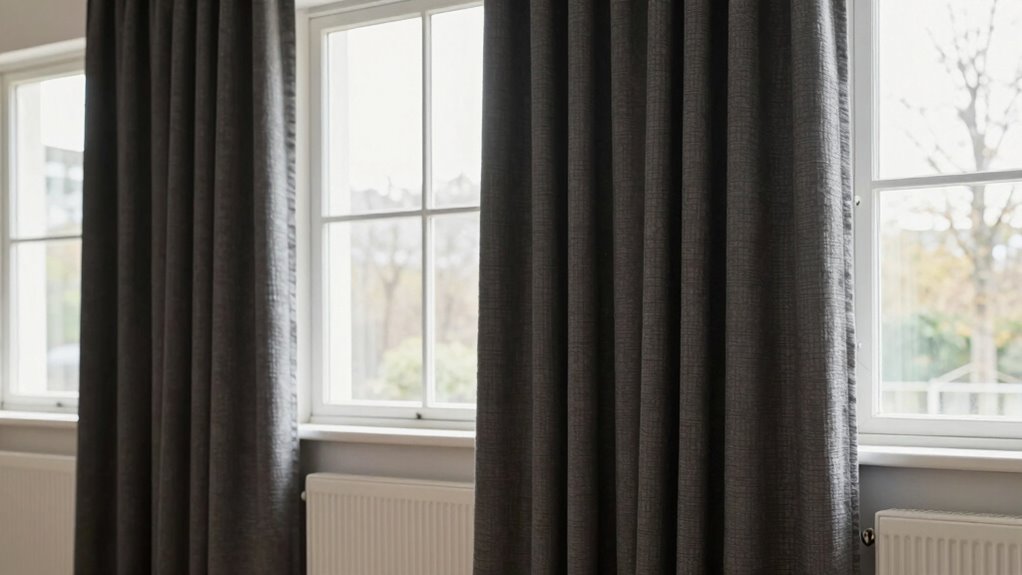
Have you ever considered how simple window treatments can impact your energy bills? It might surprise you, but something as straightforward as energy curtains can make a significant difference in reducing heat loss during cold months. These curtains act as an extra layer of insulation, helping keep warmth inside your home without needing to turn up the thermostat. When installed properly, they provide notable insulation benefits that can lower your heating costs and boost overall comfort.
The key to maximizing the insulation benefits of energy curtains lies in choosing the right fabric and ensuring a snug fit. Thick, tightly woven materials like thermal or blackout fabrics are ideal because they trap air close to your windows, creating a barrier that slows down heat transfer. To get the most out of your investment, focus on installation tips that ensure your curtains block drafts and minimize heat loss. For example, mounting the curtain rod as close to the ceiling as possible and extending it beyond the window frame allows the curtains to cover the entire wall area, reducing gaps where warm air could escape. Additionally, using curtain hooks or rings that allow the fabric to hang flat against the wall ensures a tighter seal, preventing cold drafts from sneaking in around the edges.
Another important aspect is how you hang your curtains. When you close them at night or during chilly days, make sure they reach all the way to the window sill or floor. This helps eliminate gaps and maximizes insulation benefits. During the day, opening them to let sunlight warm your space is a smart move, as natural light can provide additional heating without extra energy use. If your windows are particularly drafty, consider adding a layer of insulating film behind the curtains for extra protection.
Installation tips also include ensuring the curtains are properly secured and that the fabric is not sagging or loose. Loose fabric creates gaps that undermine their insulating power. If you’re unsure about hanging them yourself, consulting a professional can be worthwhile. Proper installation ensures the curtains stay in place and continue offering ideal insulation benefits over time. Recognizing the importance of proper installation techniques can significantly enhance their effectiveness. Remember, the goal is to create a tight seal that keeps cold air out and warm air in, which ultimately helps you save money on heating bills.
thermal blackout curtains for energy saving
As an affiliate, we earn on qualifying purchases.
As an affiliate, we earn on qualifying purchases.
Frequently Asked Questions
Are Energy Curtains Suitable for All Types of Windows?
Energy curtains are suitable for most window types, but their effectiveness hinges on your window insulation and the curtain’s material. They work best on single-pane or poorly insulated windows, enhancing thermal efficiency by trapping heat. For double-pane or well-insulated windows, the benefits might be less noticeable. Always choose curtains designed for thermal insulation to maximize energy savings and ensure a proper fit for your window size.
How Long Do Energy Curtains Typically Last?
Energy curtains typically last around 5 to 10 years, depending on their material quality. Think of them as a trusty shield that gradually wears down over time. Higher durability lifespan comes from premium fabrics and proper care, while lower-quality materials may start to fade or tear sooner. To get the most out of your investment, choose curtains made from durable, high-quality materials, and follow the manufacturer’s maintenance instructions.
Can Energy Curtains Be Used in Outdoor Settings?
Yes, you can use energy curtains in outdoor settings, but choose ones designed for outdoor insulation. Look for curtains with weather resistance to withstand rain, wind, and sun exposure. These outdoor energy curtains help keep heat in during cold weather and protect against drafts. Make sure they’re made from durable, weatherproof materials to guarantee longevity and effective insulation, even in harsher outdoor conditions.
Do Energy Curtains Affect Natural Light Entering the Room?
Energy curtains can slightly reduce natural light entering your room, impacting light transmission. You might notice a dimmer atmosphere or some window glare reduction, especially if the curtains are thick or dark. However, they’re designed to optimize heat retention without overly blocking sunlight. If you want to balance energy efficiency with natural brightness, choose curtains with lighter fabrics or adjustable layers to control how much light filters through.
Are Energy Curtains Safe for Households With Children or Pets?
Energy curtains are generally safe for households with children or pets when made from child-safe, non-toxic materials. You should check the product labels for safety certifications and avoid curtains with small, detachable parts that could pose choking hazards. Ensuring the curtains are made from high-quality, non-toxic fabrics helps protect your loved ones. Always supervise young children around any window coverings to prevent accidental pulling or entanglement.
Conclusion
Energy curtains are a simple, effective way to reduce heat loss without touching your heater. You might think they’re just a temporary fix, but investing in quality curtains can save you money long-term and keep your home warmer all winter. Remember, small changes add up—by choosing energy curtains, you’re actively lowering energy bills and easing the strain on your heating system. It’s a smart step toward a cozier, more efficient home.
Fall yard work Picks
leaf blowers
As an affiliate, we earn on qualifying purchases.