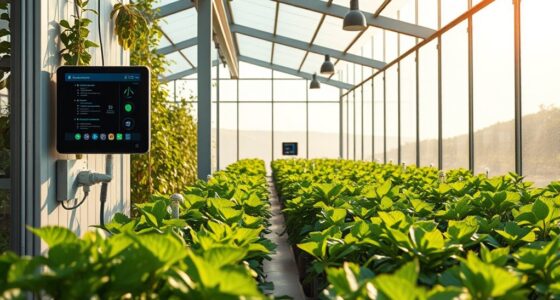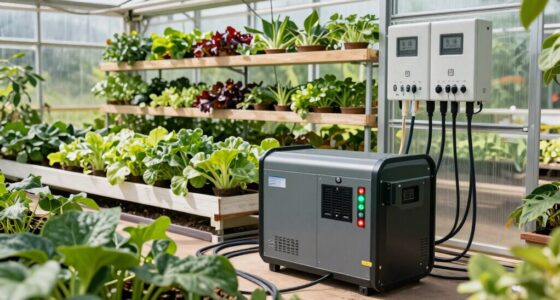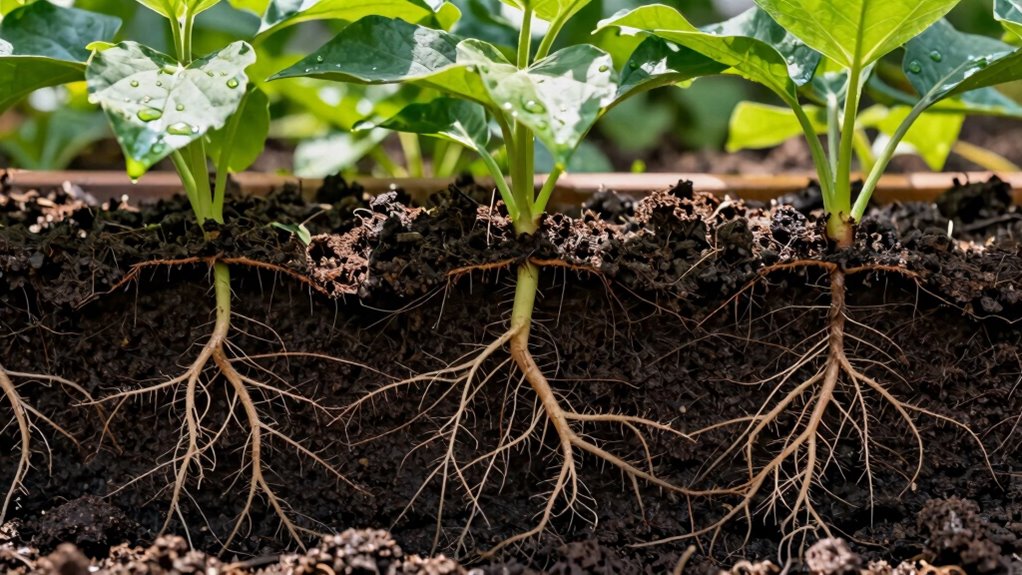

Root-zone heating outperforms space heating by directly warming the soil where your plants’ roots absorb nutrients and water, creating a stable environment that encourages healthy growth. It uses less energy because it targets just the soil, reducing waste and lowering costs. Plus, it improves nutrient uptake and speeds up plant development, even in cooler weather. If you want to discover how this precise heating method can boost your crops’ health and yield, keep exploring the details.
Play games included with Prime
Start a Prime free trial and play with Amazon Luna on your devices.
As an affiliate, we earn on qualifying purchases.
Key Takeaways
- Targets soil directly, providing precise temperature control where roots absorb nutrients and water.
- Uses less energy by heating only the soil, reducing operational costs and environmental impact.
- Enhances nutrient uptake and plant growth by maintaining optimal root zone temperatures.
- Promotes stable soil conditions, reducing plant stress and potential pest or disease issues.
- Improves overall plant health and yield by creating a consistent, ideal growing environment.
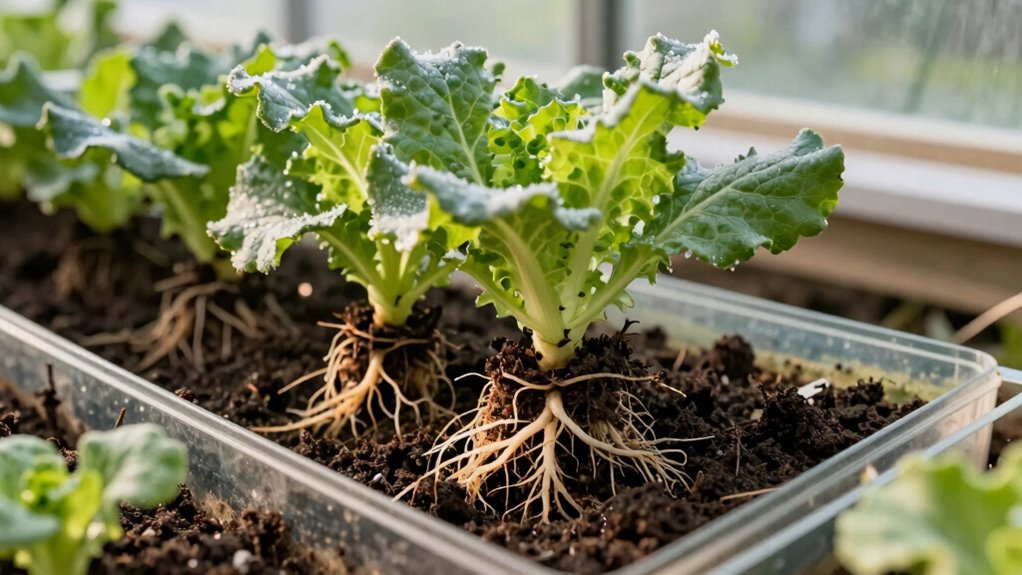
Root-zone heating offers several advantages that can substantially improve plant growth and health. Unlike traditional space heating, which heats the air around plants, root-zone systems focus on warming the soil directly where roots absorb nutrients and water. This targeted approach allows you to maintain ideal soil temperature, creating a stable environment that encourages vigorous root development and overall plant vitality. When soil temperature remains consistent, plants are less likely to suffer from stress caused by fluctuating air temperatures. This stability can lead to faster growth rates, healthier root systems, and increased resilience against pests and disease.
One of the key benefits of root-zone heating is its superior energy efficiency. Because you’re heating the soil directly rather than the entire surrounding air, you use less energy to achieve the desired temperature. Space heating systems often waste energy by heating large volumes of air that may not be directly affecting the roots, especially in well-ventilated or open environments. With root-zone systems, you target the specific area that needs warmth, reducing energy consumption and lowering operational costs. This efficiency is particularly advantageous in greenhouse settings or large-scale agricultural operations, where energy costs can quickly add up. Additionally, energy efficiency can contribute to more sustainable farming practices by reducing the carbon footprint. Maintaining precise soil temperature control also helps to minimize heat loss, making the system even more efficient.
Maintaining an ideal soil temperature with root-zone heating also enhances nutrient uptake. When roots are kept in a warmer environment, they can absorb nutrients more effectively, which accelerates plant growth and improves yield quality. In colder conditions, roots slow down their metabolic processes, limiting nutrient absorption and stunting growth. By keeping the soil warm, you ensure that plants reach their full potential, even in cooler seasons or climates. This method also allows for more precise control of environmental conditions, giving you the ability to fine-tune soil temperature to meet specific crop needs. Additionally, because soil temperature stability is easier to achieve with targeted heating, it improves overall plant health by reducing environmental stress.
As an affiliate, we earn on qualifying purchases.
Frequently Asked Questions
How Does Root-Zone Heating Impact Soil Microbial Health?
Root-zone heating positively impacts soil microbial health by maintaining ideal temperatures, promoting a diverse soil microbiome. You’ll notice increased microbial activity and diversity, which enhances nutrient cycling and plant growth. Because this method provides consistent warmth directly to roots, it encourages beneficial microbes to thrive, leading to a healthier, more resilient soil environment. This controlled heating supports microbial diversity, ultimately boosting plant health and reducing soil-borne diseases.
Can Root-Zone Heating Be Integrated With Renewable Energy Sources?
Ever thought about harnessing renewable energy for root-zone heating? Absolutely, you can integrate it seamlessly, creating a powerful energy synergy. By combining solar or geothermal sources, you optimize efficiency while reducing reliance on fossil fuels. This integration not only makes your system more sustainable but also enhances overall performance. So, why settle for traditional heating when renewable options can provide a cleaner, more efficient solution tailored to your needs?
What Are the Long-Term Environmental Benefits of Root-Zone Heating?
You’ll find that root-zone heating offers long-term environmental benefits through improved energy efficiency, reducing your overall energy consumption. It also promotes water conservation by targeting heat directly to plant roots, minimizing evaporation. This system’s efficient use of resources helps lower your carbon footprint over time, supporting sustainable practices. By investing in root-zone heating, you contribute to a healthier environment while enjoying consistent, energy-efficient heating for your plants or space.
How Does Root-Zone Heating Influence Plant Growth Rates?
Root-zone heating directly influences plant growth rates by maintaining ideal soil temperature through effective soil insulation and temperature regulation. You’ll notice faster growth because the consistent warmth promotes healthy root development and nutrient uptake. This system guarantees the roots stay warm even in cold weather, preventing stress and encouraging vigorous growth. By controlling soil conditions precisely, you help plants thrive year-round, boosting yields and overall plant health.
Are There Specific Crops That Benefit Most From Root-Zone Heating?
Think of root-zone heating as a gentle, nurturing hand guiding your crops toward growth. You’ll find that delicate varieties like strawberries, peppers, and herbs benefit most, as their roots thrive in warm, stable conditions. This method truly enhances growth optimization, giving these crops a head start even in cooler weather. By focusing on the root zone, you guarantee healthier plants and more bountiful harvests, making your garden flourish with vigor.
Conclusion
Imagine your heating system as a gentle gardener nurturing roots beneath the soil, rather than warming the air above. Root-zone heating sends warmth directly to where plants thrive, like a cozy underground hug, outshining space heating’s superficial warmth. It’s an artful dance of warmth and roots, transforming your space into a fertile sanctuary. Embrace this underground embrace, and watch your energy savings blossom like a well-tended garden in full bloom.
Fall yard work Picks
leaf blowers
As an affiliate, we earn on qualifying purchases.