TL;DR

Get garden gear delivered free with Prime
- Fast, free delivery on millions of items
- Prime Video, Amazon Music and more included
- Member-only deals all year
Rural Sprout published a guide to 60 plants suited to gravel gardens and how to start one. The article describes gravel as a mulch over soil—not a substitute for soil—and says plants need watering while they establish; its author says the project is still at an early stage.
Rural Sprout has published a guide to 60 plants for gravel gardens, alongside advice on setting one up. The article explains that gravel is used as a three-to-five-inch mulch over soil, rather than as the growing medium itself, a distinction that affects how gardeners prepare and plant the site.
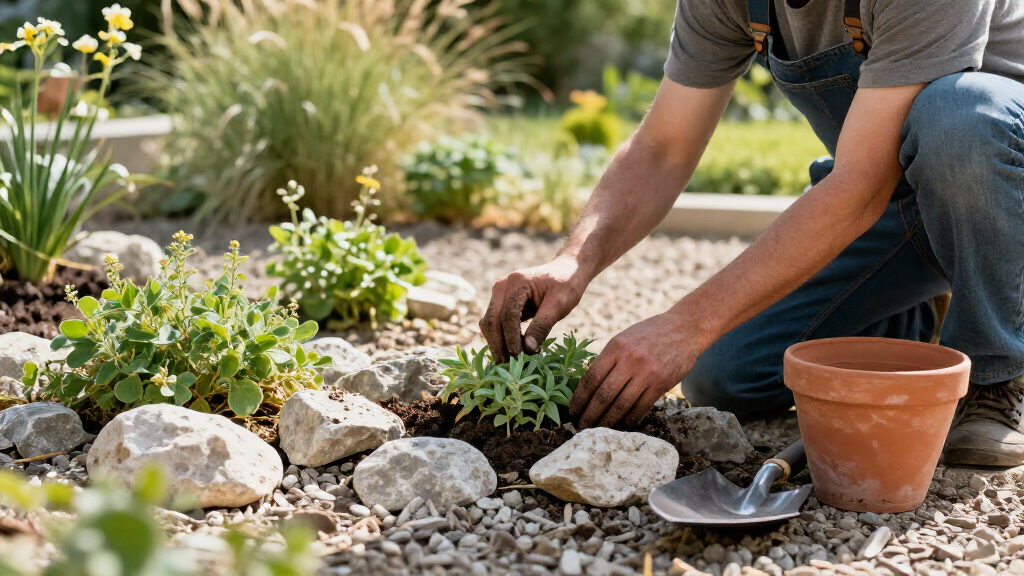
The report’s author says they are creating a gravel garden in a yard area that had previously been used as a boules court. At the time of writing, the project was in its initial phase; the author had planted olive herb and said a follow-up might be published as the garden develops. The article does not present the project as a completed trial of all 60 plants.
A gravel garden can be made on different soil types, according to the guide, though it identifies a sunny, well-drained site as suitable for many Mediterranean plants and says predominantly sandy, relatively low-nutrient soil can work particularly well. Plants should root in the soil beneath the gravel. That means gardeners need to make planting holes through the surface layer and settle plants into the underlying ground, rather than placing roots in loose stone alone.
The article gives gravel several functions: it allows rain to reach the soil, slows moisture loss from the surface, moderates temperature around plant crowns and roots, and can reduce weed growth. It does not claim gravel prevents weeds altogether. The author also warns against using a weed-suppressing membrane, arguing that it can limit permeability and that debris accumulating on it may create a place for weeds to grow.
What Gravel Changes for Gardeners
The guide offers an alternative for gardeners working with dry, sunny or low-nutrient spaces, including areas where a conventional lawn or densely watered border may be difficult to maintain. Its main practical point is that the design relies on the relationship between gravel, soil and suitable plants: gravel covers the ground, but the plants still depend on soil and water reaching their roots.
The approach may reduce some routine work once plants are established, the report says, but it is not a maintenance-free shortcut. Gardeners still need to choose plants suited to local conditions, check the soil and deal with weeds that emerge. The source describes watering during establishment as important; claims about low watering needs should not be read as advice to leave newly planted material dry.
Popular right now

KitchenAid Artisan 5-Qt Tilt-Head Stand Mixer – Dried Rose (KSM150PS)

Roborock H60 Ultra-B Cordless Stick Vacuum Cleaner

Dyson W1 PencilWash Cordless Wet and Dry Floor Cleaner with Dock
As an affiliate, we earn on qualifying purchases.
The Idea Behind Gravel Gardens
The source credits British gardener and nursery owner Beth Chatto with popularizing the approach. It says Chatto and her husband converted a nursery parking area in Elmstead, Essex, into a perennial garden in 1960. The garden became a prominent example of planting adapted to site conditions rather than relying on a highly formal layout.
Rural Sprout presents gravel as a thick mulch layer, generally three to five inches deep, over prepared soil. This definition distinguishes a gravel garden from planting directly into a bed of stone or building a fully paved surface. The source’s gardening recommendations are general guidance, not a guarantee that every listed plant will succeed in every climate, soil or exposure.
““I have set myself a gardening challenge: Create a gravel garden from scratch.””
— Rural Sprout author
What the Guide Does Not Establish
The supplied report material does not provide the full names of all 60 plant choices, nor does it give a complete planting plan for each climate or soil type. It also does not provide measured comparisons of water use, weed reduction or maintenance time against other garden designs. Those outcomes can vary with rainfall, drainage, plant selection and local growing conditions.
The author says the personal garden was at an early stage and describes a possible follow-up rather than reporting one already completed. The source does not establish how the 60 plants performed in that garden, or whether the author’s site-specific experience applies elsewhere.
How to Put the Advice Into Practice
Before planting, gardeners can assess the site’s sunlight, drainage and soil, then select plants suited to those conditions. They should prepare the underlying soil, set plants into it, and add gravel as a surface mulch rather than burying roots in stone. Newly planted plants need attention as they establish; later watering needs depend on weather, soil and the plants themselves.
Rural Sprout’s author said they might report back on the garden as it develops. No publication date for a follow-up is given, so the project’s progress remains unconfirmed in the supplied material.
Key Questions
Are plants grown directly in gravel?
No. The guide describes a three-to-five-inch gravel layer over soil. Plants root in the soil beneath it.
Does gravel stop weeds?
No. Rural Sprout says gravel can slow weed growth and reduce weed numbers, but it does not eliminate weeds. The author advises against a weed-suppressing membrane in this design.
Do gravel gardens need watering?
The report says plants need watering to help them get established. Water needs after that vary by plant, soil and conditions; the source’s account of one garden should not be treated as a universal rule.
What kind of site suits a gravel garden?
The guide says gravel gardens can be made on different soils, while a sunny, well-drained location suits many Mediterranean plants. It identifies sandy, relatively low-nutrient soil as a particularly suitable setting.
Source: ruralsprout.com