
TL;DR

Get garden gear delivered free — and shop member deals
- Fast, free delivery on millions of items
- Access to Prime Big Deal Days deals on October 6–7
- Prime Video, Amazon Music and more included
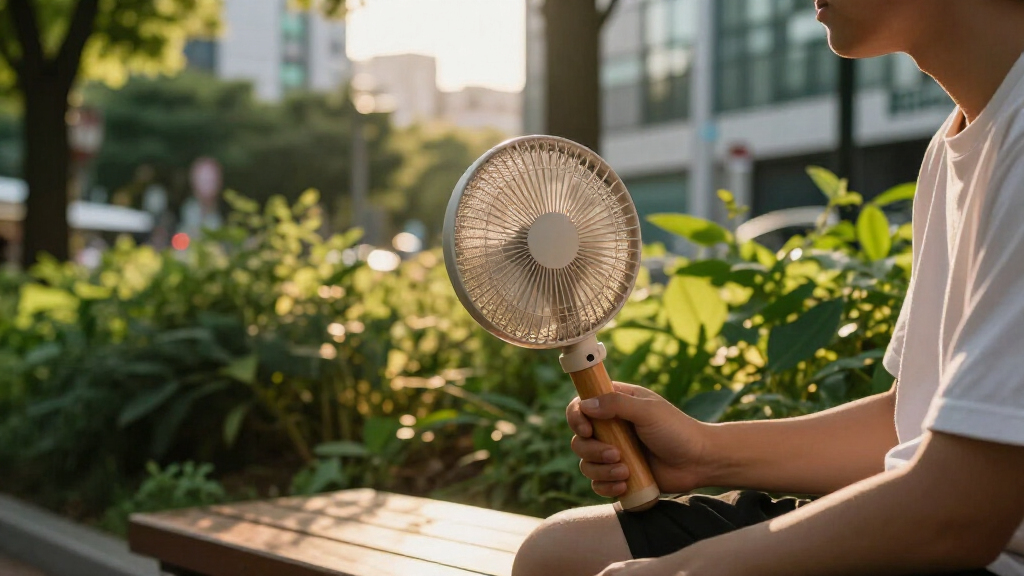
Downtown Seoul’s urban gardens are being used as ‘heatwave refuges,’ offering shaded spaces for residents amid record-high temperatures. Authorities are promoting these areas as part of heat mitigation efforts, though the extent of their impact remains under evaluation.
Impact of Urban Green Spaces on Heatwave Relief in Seoul
This development underscores the importance of urban green spaces in mitigating heat effects in densely populated cities. As Seoul faces increasingly severe heatwaves, the use of gardens as shaded refuges can help reduce health risks, especially for vulnerable groups. The trend also highlights the need for ongoing urban planning efforts to incorporate more natural cooling zones, which can contribute to climate resilience and improve residents’ quality of life during extreme weather events.As an affiliate, we earn on qualifying purchases.
Seoul’s Urban Green Spaces and Rising Temperatures
Seoul has been experiencing increasingly intense heatwaves over the past decade, with temperatures climbing above 35°C more frequently during summer months. The city has invested in urban greening projects, including parks and gardens, to combat the urban heat island effect. During recent heatwaves, authorities have promoted these green spaces as cooling zones, encouraging residents to spend time under trees and in shaded areas. This approach aligns with global trends emphasizing nature-based solutions to climate challenges, but the effectiveness of such measures in extreme conditions remains a subject of ongoing assessment. Historically, Seoul’s urban planning has prioritized development over green infrastructure, but recent climate pressures are prompting a shift toward more sustainable solutions.“Our city’s green spaces are vital in providing immediate relief from the heat. We encourage residents to utilize these shaded areas during peak hours.”
— Kim Ji-woo, Seoul Urban Planning Department official
Extent of Heatwave Refuge Effectiveness Still Unclear
It is not yet confirmed how much urban gardens can reduce overall heat-related health risks during prolonged or more severe heatwaves. The long-term impact of relying on shaded green spaces as a primary cooling method remains under study, and there is limited data on their effectiveness during peak temperatures or in extreme heat events.Monitoring and Expanding Urban Green Initiatives in Seoul
City officials plan to monitor the usage and cooling effects of existing green spaces during the current heatwave. Discussions are underway to expand urban green infrastructure, including planting more trees and developing shaded public areas, as part of Seoul’s climate resilience strategy. Further research and community engagement are expected to inform future urban planning policies aimed at mitigating heat risks more effectively.Key Questions
How are Seoul’s urban gardens helping residents during the heatwave?
They provide shaded areas under trees where residents can escape high temperatures, reducing heat exposure and offering immediate relief.
Are green spaces enough to combat the heatwave in Seoul?
While they offer temporary relief, experts caution that more comprehensive measures are needed to address the broader impacts of climate change and urban heat islands.
What plans does Seoul have to improve heat mitigation in the future?
The city is considering expanding green infrastructure, planting more trees, and developing shaded public spaces to enhance climate resilience.
Who is most likely to benefit from these shaded green spaces?
Vulnerable populations such as the elderly, children, and outdoor workers are especially benefiting from the shaded refuges during the heatwave.
How long will the current heatwave last in Seoul?
Meteorological forecasts suggest the heatwave will continue through the week, with temperatures remaining above 35°C in many parts of the city.
Source: local
Fall yard work Picks
leaf blowers
As an affiliate, we earn on qualifying purchases.