
TL;DR
Search interest in planting perennials for next summer is rising, driven by gardeners seeking larger, more vibrant blooms. Experts advise planting six specific perennials before September 30 to maximize flowering size and health.
Gardening experts are emphasizing the importance of planting six key perennials before September 30 to achieve the largest and most vibrant blooms next summer. This timing is critical for gardeners aiming to maximize flowering size and health, according to horticultural sources.
Recent gardening trend signals show a spike in interest around planting perennials for next year’s blooms. Experts recommend planting six specific perennials—such as coneflowers, black-eyed Susans, and coreopsis—before the end of September to ensure they establish well before winter dormancy. Proper timing allows these plants to develop strong roots and healthy growth, leading to larger, more abundant flowers in the following summer.
Horticulturists note that planting after September can risk reduced growth and smaller blooms due to insufficient establishment time before the cold season. The recommended perennials are known for their resilience and capacity to produce impressive displays when planted at the right time. Gardeners are advised to prepare soil adequately, choose healthy plants, and consider local climate conditions for best results.
This advice aligns with broader gardening strategies emphasizing early planting and soil conditioning, but the focus on specific perennials and strict September deadlines marks a notable shift in planting timing for optimal summer display.
Why Planting Timing Affects Next Year’s Blooms
This trend matters because planting these six perennials before September can significantly influence the size and vibrancy of summer blooms. Proper timing ensures plants establish strong roots, leading to larger flowers and more robust growth. For gardeners, understanding the importance of planting window helps optimize garden aesthetics and plant health, reducing the risk of poor flowering or plant failure.
Additionally, this advice reflects a broader shift towards strategic planting schedules that maximize plant performance, especially as gardeners seek more impressive displays with less ongoing maintenance. The emphasis on specific timing and plant selection can help both novice and experienced gardeners achieve better results, making late summer planting a key step in garden planning for next year.
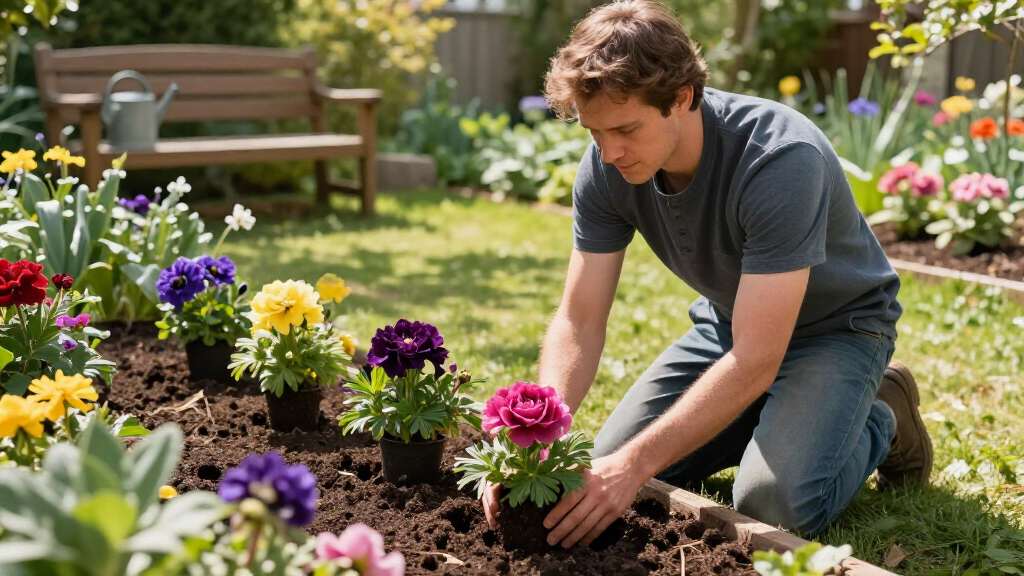
perennial flower plants for summer blooms
As an affiliate, we earn on qualifying purchases.
As an affiliate, we earn on qualifying purchases.
Recent Trends in Perennial Planting and Garden Planning
Interest in planting perennials for summer blooms has been rising, with online searches and garden forums showing increased activity. This surge is partly driven by gardeners wanting to create more colorful, low-maintenance landscapes that bloom year after year. The focus on planting before September is consistent with traditional advice for perennial establishment but is now gaining renewed attention due to recent gardening trends and social media influence.
Historically, planting perennials in early fall has been recommended, but recent coverage emphasizes a more targeted approach—specifically, planting six key species before the end of September to maximize bloom size. This shift may be influenced by new research, gardening influencer advice, or seasonal gardening campaigns, though the exact trigger remains unconfirmed.
It is important to note that regional climate variations affect planting windows, and local gardeners are advised to adapt timing accordingly. The trend signals suggest that early planting combined with proper soil preparation and plant selection can lead to more impressive summer displays, encouraging gardeners to plan their planting schedules carefully.
Unconfirmed Factors Influencing the Trend
While experts recommend planting six specific perennials before September for optimal summer blooms, scientific evidence supporting this exact timing is limited. The trend may be based on observations, anecdotal reports, or seasonal practices rather than comprehensive scientific studies. Climate variations across regions can also influence the effectiveness of this advice, requiring gardeners to adapt accordingly.
Further research is needed to determine if this timing applies universally across different environments and soil types or if it is primarily regional guidance. The long-term effects of late-season planting on perennial health and flowering remain an area for ongoing investigation.
Next Steps for Gardeners Planning Their Fall Planting
Gardeners should select the recommended perennials and prepare their soil now. In regions with moderate climates, planting before September 30 can help ensure proper establishment before winter. Local garden centers may promote these species as suitable late-season options.
Monitoring weather conditions and adjusting planting schedules accordingly is advisable. Supporting healthy root development through soil preparation, mulching, and watering will improve success rates. Follow-up care in early spring, including fertilization and pruning, can promote larger blooms and overall plant health.
Gardeners and professionals will continue sharing advice and success stories to help optimize planting strategies for better results next summer.
Key Questions
Which six perennials are recommended for planting before September?
Commonly recommended species include coneflowers, black-eyed Susans, coreopsis, sedum, rudbeckia, and bee balm, valued for their resilience and vibrant summer blooms.
Does planting in late summer really affect next year’s blooms?
Yes, planting these perennials before the end of September helps them establish roots, which can lead to larger and more abundant flowers in the following summer, according to horticultural experts.
Can regional climate influence the optimal planting time?
Absolutely. Gardeners in colder zones may need to plant earlier or provide additional protection, while those in milder climates might have a longer window. Local conditions should guide timing decisions.
What are the risks of planting too late in the season?
Planting late can hinder root development, resulting in smaller blooms or potential plant failure if cold weather arrives prematurely.
How should I prepare my soil for fall planting?
Ensure soil is well-drained, rich in organic matter, and free of weeds. Incorporate compost or organic amendments and water thoroughly after planting to support healthy growth.
Source: rss