
TL;DR
Search interest in night-scented plants is rising, driven by gardeners seeking aromatic evening gardens. Experts recommend seven top choices for fragrant plants that bloom or smell stronger at night.
Gardening enthusiasts are increasingly seeking plants that release their most appealing scents after sunset, with search interest in night-scented plants surging. Experts say seven plants stand out as top choices for creating fragrant evening gardens, though this trend is driven by rising curiosity rather than formal horticultural developments.
Recent data indicates a spike in online searches for plants that smell better at night, suggesting a growing interest among gardeners to enhance their outdoor spaces for evening enjoyment. While specific studies are limited, horticultural experts confirm that certain plants, such as jasmine, night-b blooming cereus, and gardenia, are known for their strong nocturnal fragrances.
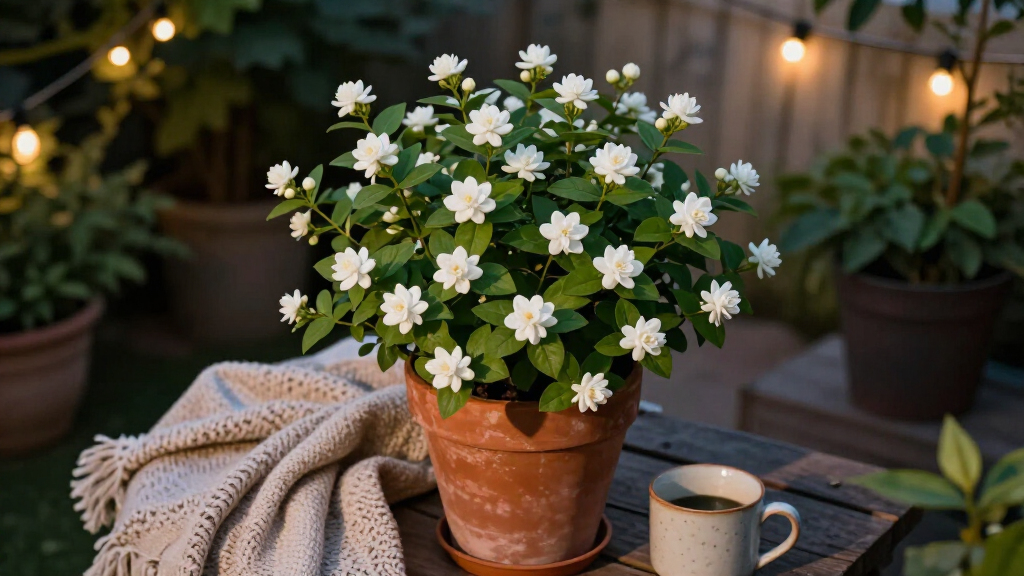
Among these, seven plants frequently recommended include jasmine (Jasminum spp.), night-blooming cereus (Epiphyllum oxypetalum), gardenia (Gardenia jasminoides), moonflower (Ipomoea alba), evening primrose (Oenothera biennis), sweet olive (Osmanthus fragrans), and night phlox (Zaluzianskya capensis). These plants tend to emit their strongest scents during evening hours, attracting pollinators like moths and butterflies, and providing sensory pleasure for outdoor gatherings.
Horticulturists emphasize that planting these species can transform a garden into a fragrant oasis after sunset, with some varieties making a border look expensive or releasing their aroma more intensely during cooler evening temperatures. However, they caution that local climate, soil conditions, and plant care influence scent strength and blooming times, making every garden unique.
Why Night-Scented Plants Enhance Garden Experiences
This trend matters because it reflects a broader desire among gardeners to maximize outdoor enjoyment and create sensory-rich environments. Night-scented plants not only improve the ambiance during evening hours but also support pollinator activity, contributing to healthier ecosystems. As urban gardens and patios become more popular, these plants offer a natural way to extend outdoor leisure time and elevate garden aesthetics.
As an affiliate, we earn on qualifying purchases.
Growing Interest in Nighttime Garden Fragrances
The interest in plants that smell better at night is part of a larger trend toward sensory gardening, which emphasizes aroma, texture, and visual appeal. While the phenomenon of certain plants releasing stronger fragrances at night is well-documented, the recent surge in online searches suggests a new wave of gardeners exploring this niche. Experts note that this interest may be influenced by social media, garden shows, and a desire to create more inviting outdoor spaces for evening use.
Historically, plants like jasmine and gardenia have been valued for their evening scent, but today’s gardeners are increasingly seeking diverse options, including native and drought-tolerant species suited to various climates. The trend appears to be driven more by consumer curiosity and aesthetic preferences than by formal horticultural breakthroughs.
Unconfirmed Trends and Unknowns in Night Scented Plants
It is not yet clear whether the spike in search interest will lead to sustained gardening trends or if specific plants will become widely adopted. There is limited scientific data quantifying scent intensity or bloom timing across different climates, and the influence of social media on this trend remains unverified.Future Developments in Night Fragrance Gardening
Experts anticipate that as interest grows, more plant varieties will be promoted for their nighttime fragrances, possibly leading to new hybrid cultivars. Garden centers and nurseries may begin offering more specialized selections, and horticultural research could focus on optimizing scent emission at night. Additionally, more detailed guides and community sharing are expected to emerge, helping gardeners select the best plants for their specific environments.
Key Questions
Which plants are best for a fragrant night garden?
Popular choices include jasmine, night-blooming cereus, gardenia, moonflower, evening primrose, sweet olive, and night phlox. These plants are known for their strong fragrances during evening hours.
Are night-scented plants suitable for all climates?
Many are adaptable, but suitability depends on local climate and soil conditions. Gardeners should select species native or well-adapted to their region and provide appropriate care.
Do these plants bloom only at night?
Some, like the night-blooming cereus, bloom exclusively at night, while others, such as jasmine and gardenia, may emit stronger scents during evening hours but also bloom during the day.
Can these plants attract pollinators?
Yes, many night-scented plants attract moths and nocturnal pollinators, supporting local ecosystems and enhancing garden biodiversity.
Are night-scented plants low-maintenance?
Care requirements vary; some are easy to grow and maintain, while others may need specific conditions. Gardeners should research individual species for best results.
Source: rss