When searching for the best fast-growing shade trees, your main goal is quick coverage without sacrificing long-term health or landscape appeal. The Thornless Honey Locust stands out as the top overall choice thanks to its rapid growth and minimal thorns, making it ideal for many yards. For more vibrant fall color, the Autumn Blaze Maple offers a striking display, though it demands more drought tolerance. The challenge in this category is balancing fast growth with tree longevity, maintenance needs, and landscape compatibility. Continue reading for a detailed breakdown of these options and how they compare in key areas.
Complete the kit


Key Takeaways
- The fastest-growing options generally require more water and care initially but offer quick shade development.
- Maples, oaks, and sycamores dominate the list, blending rapid growth with aesthetic appeal and shade quality.
- Tradeoffs include maintenance needs, drought tolerance, and potential size, which vary significantly across species.
- Some trees, like hybrid willows, grow astonishingly fast but may have shorter lifespans or invasive tendencies.
- Choosing the right tree depends heavily on your local climate, soil conditions, and landscape goals.


| fast-growing shade tree | Growth Rate | Type |
|---|---|---|
| Thornless Honey Locust Tree | Fast | Live Plant |
| 3 Silver Maple Tree Live Plant | Fast-Growing | Silver Maple Tree (Acer saccharinum) |
| The Maple Autumn Blaze Tree | Fast | — |
| American Sycamore | 3 Live Tre | Fast | — |
| Red Maple Trees for Planting | Fast growing | Red Maple (Acer rubrum) |
| Northern Red Oak Tree | Fast | Live Plant |
| 3 Pack Red Oak Trees | — | — |
| 3 Sycamore Trees for Planting | Fast | — |
| Fastest Growing Tree in the Wo | Fastest in the world | Aussie Hybrid Willow |
| American Red Maple Shade Tree | — | Shade Tree |
More Details on Our Top Picks
Thornless Honey Locust Tree – 18-24 Inches Tall Live Plant
This thornless honey locust stands out for its rapid growth and ability to thrive in urban conditions, making it ideal for homeowners seeking a low-maintenance, safe shade tree. Compared to the American Sycamore, it offers a more refined, filtered canopy that allows grass and groundcovers to flourish, while also eliminating thorn and pod hazards. However, as a young plant, it may require several years to reach its full height of 30-70 feet, and shipping as a small, bare-root plant means it takes time to establish. Its resilience and safety features make it a top pick for families and city dwellers, though patience is needed for full maturity. This tree is perfect for those who want a dependable, low-fall cleanup shade solution that’s safe for children and pets, with the tradeoff being the slow initial growth.
Pros:- Creates beautiful filtered shade that promotes healthy groundcover growth
- Virtually no fall cleanup due to quick-decomposing leaflets
- Thornless and podless, making it safe around children and pets
- Highly resilient in city and urban environments
Cons:- May require multiple years for the tree to reach full height
- Limited size when shipped as a young plant requires patience for growth
Best for: Urban homeowners or families needing a safe, resilient shade tree that minimizes cleanup
Not ideal for: Those expecting immediate shade or with very small planting spaces, since it takes years to fully mature
- Height:18-24 inches
- Type:Live Plant
- Growth Rate:Fast
- Shade:Filtered shade
- Thorns:None
- Pods:None
Our verdict“This tree suits urban and family settings where safety and resilience are priorities, accepting slow initial growth for long-term benefits.”
3 Silver Maple Tree Live Plants (Acer saccharinum) – Fast-Growing Shade Trees for Yards & Landscaping
The trio of silver maples offers an excellent option for those wanting rapid, substantial shade and visual appeal. Compared with the Autumn Blaze Maple, these trees are more adaptable to colder climates and less demanding regarding soil moisture, but they lack the vibrant fall color and drought tolerance of the Autumn Blaze. Silver maples grow aggressively, quickly filling large spaces, which makes them perfect for expansive yards and open landscapes, yet this growth rate demands ample room and regular maintenance, especially as they mature. Their hardy nature ensures survival across various conditions, but their large size and deciduous nature mean they shed leaves seasonally, requiring cleanup and space considerations. Ideal for property owners seeking instant landscape impact, but not suited for small yards or those wanting low-maintenance trees.
Pros:- Rapid growth provides quick shade and landscape coverage
- Attractive silver-green foliage adds visual interest
- Hardy and adaptable to various soil and climate conditions
Cons:- Requires significant space due to large mature size
- Deciduous nature means seasonal leaf shedding and maintenance
Best for: Large yard owners or landscapers seeking quick shade and landscape foundation
Not ideal for: Small yard owners or those preferring slow-growing, low-maintenance trees
- Type:Silver Maple Tree (Acer saccharinum)
- Number of Trees:3
- Growth Rate:Fast-Growing
- Hardiness:Cold-Hardy
- Uses:Shade, Landscaping, Windbreaks
Our verdict“This selection is ideal for large spaces needing fast, substantial shade, understanding it requires room and seasonal upkeep.”
The Maple Autumn Blaze Tree, Vibrant Fall Foliage, Fast Growing, Drought Tolerance, 1 gal Nursery Pot
The Autumn Blaze Maple makes a striking statement with its vibrant fall colors, turning from green to fiery orange and red. Its fast growth offers quick shade, similar to the silver maples, but with more emphasis on seasonal display. Compared to the Red Maple, it tends to have a broader, more uniform canopy and is slightly more drought-tolerant once established. However, its large size—up to 50 feet—can be a limitation for smaller yards, and it requires full sun and moist, well-drained soil for best results. Shipping restrictions exclude it from some states, which could delay planting. This tree is ideal for those wanting impressive autumn foliage and quick landscape impact, accepting that size and site conditions are critical considerations.
Pros:- Vibrant and striking fall foliage display
- Fast-growing with quick landscape impact
- Provides ample shade and seasonal visual interest
Cons:- Cannot be shipped to certain states due to agricultural laws
- Large size may not suit small or confined spaces
- Requires full sun and moist soil for optimal growth
Best for: Homeowners seeking vibrant fall color and fast-growing shade in larger, sunny yards
Not ideal for: Small yards or areas with restricted sunlight or drier soils
- Height:35-50 feet
- Spread:30-40 feet
- Foliage Color:Bright orange and red in fall
- Growth Rate:Fast
- USDA Hardiness Zones:3-8
- Soil Type:Moist, well-drained
- Sunlight:Full sun
- Drought Tolerance:Moderate
Our verdict“This tree suits those wanting a rapid, colorful autumn display combined with quick shade, provided site conditions match its needs.”
American Sycamore | 3 Live Trees | Platanus occidentalis | Fast-Growing Shade Trees
The American Sycamore provides immediate, dense shade with its broad canopy, making it an excellent choice for large yards or parks. Compared to the Red Maple, sycamores grow faster and establish a more expansive canopy quickly, though their large stature and peeling bark can be messy and may require more space and maintenance. The striking white-gray bark adds visual interest throughout the year, but this same characteristic can shed bark and debris, demanding cleanup. Its adaptability to various soils makes it a flexible choice, but the size and messiness limit its suitability for smaller or low-maintenance landscapes. This pick is best for those who prioritize quick shade and visual appeal over compactness or minimal upkeep, accepting its larger mature size.
Pros:- Fast-growing with quick establishment of dense shade
- Striking peeling bark offers year-round visual interest
- Adaptable to various soil conditions
Cons:- Requires significant space for mature size
- Peeling bark can be messy and require cleanup
- Large size may be unsuitable for smaller yards
Best for: Large, open landscapes or parks needing fast, dense shade and year-round visual interest
Not ideal for: Small yards or low-maintenance gardens due to size and bark shedding
- Species:Platanus occidentalis
- Number of Trees:3
- Growth Rate:Fast
- Uses:Shade, privacy, windbreak
- Landscape:Urban and rural environments
Our verdict“This tree is ideal for large-scale landscapes needing quick, substantial shade with distinctive bark, tolerating some maintenance for its benefits.”
Red Maple Trees for Planting (Acer rubrum) – Live Hardy Shade Trees, Vibrant Red Foliage, Fast Growing Landscape Trees for Yard & Garden – Ships Dormant, No Leaves (3 Tree Seedlings)
The Red Maple seedlings offer a cost-effective way to add vibrant red fall color and quick shade to diverse landscapes. Compared to the more mature Autumn Blaze Maple, these trees arrive dormant, which requires patience but ensures healthy establishment and vigorous growth once in the ground. Their fast growth makes them stand out for creating privacy screens or lining driveways, although they take 2-4 weeks after planting to show signs of sprouting. Shipping without leaves might concern some buyers, but it minimizes shipping weight and damage risk. These trees suit budget-conscious landscapers or homeowners wanting multiple trees for a small investment, though they need time and space to reach full maturity.
Pros:- Vibrant red fall foliage enhances landscape appeal
- Ships dormant for healthy transplanting
- Fast-growing and suitable for various climates
- Cost-effective pack of three for multiple planting sites
Cons:- Trees are shipped leafless, which may concern some buyers
- May take several weeks to sprout after planting
Best for: Budget-conscious homeowners or landscapers planting multiple trees for privacy or color
Not ideal for: Immediate shade needs or small yards where space for large trees isn’t available
- Type:Red Maple (Acer rubrum)
- Quantity:3 trees
- Growth Rate:Fast growing
- Color:Vibrant red in fall
- Hardiness Zones:3-10
- Shipping Stage:Dormant (no leaves)
Our verdict“This pack of red maples offers great value for adding quick, vibrant color and shade over time, with patience for growth.”
Northern Red Oak Tree – 24-36 inches Tall Live Plant – Fast Growing Shade Tree
This Red Oak stands out for its combination of rapid growth and stunning fall colors, making it a top choice for those seeking immediate shade that also supports local wildlife with acorns. Compared to the 3 Sycamore Trees, it offers a more manageable size and a richer palette of autumn hues, though it requires attentive planting and watering during early stages. Its adaptability to various soils and climates makes it a versatile pick for many landscapes, but improper handling during shipping could lead to damage. This tree is ideal for homeowners who want a fast-growing, attractive shade tree that provides seasonal interest and wildlife habitat over time.
Pros:- Vibrant fall foliage with dramatic color display
- Fast-growing and provides quick shade
- Supports local wildlife with abundant acorns
- Adaptable to various soil types and climates
Cons:- Requires proper planting and care to ensure healthy growth
- May need regular watering during establishment
- Potential for damage if not handled carefully during shipping
Best for: Homeowners seeking a quick-shading, aesthetically vibrant tree that attracts wildlife and adds seasonal color
Not ideal for: Gardeners who prefer low-maintenance trees or have very dry, poor soil conditions without proper watering support
- Height:24-36 inches
- Type:Live Plant
- Growth Rate:Fast
- Hardiness Zones:3-8
- Shipped As:Bareroot
Our verdict“This pick is perfect for those wanting an attractive, fast-shading tree with wildlife benefits and seasonal color, provided they can manage its early care needs.”
3 Pack Red Oak Trees (Quercus rubra) – Live Fast Growing Shade Trees with Vibrant Fall Foliage
This set of three Red Oaks provides a cost-effective way to quickly establish shade and seasonal color across a larger yard, making it ideal for bigger landscaping projects or property owners seeking rapid visual impact. Compared with the American Red Maple, these oaks offer a more dramatic fall display and support wildlife with acorns, though their size means they need ample space for mature growth. Their hardy nature and adaptability to zones 3-10 make them a flexible choice, but the seasonal leaf drop will require cleanup, and growth rates can vary depending on local conditions. This pack suits those who want fast results at a better price per tree, with the understanding that mature size may limit planting options in smaller spaces.
Pros:- Vibrant red fall foliage adds seasonal beauty
- Fast-growing trees provide quick shade and privacy
- Hardy and adaptable to various climates and soils
- Value pack of three trees for broad landscaping impact
Cons:- May require significant space for mature growth
- Seasonal leaf drop increases cleanup workload
- Growth rate varies with local conditions
Best for: Landscapers or homeowners planting larger properties who want immediate, uniform shade and seasonal color
Not ideal for: Small gardens or urban spaces with limited room for mature trees or those seeking minimal leaf cleanup
- Color:Red
- Style Name:3 Red Oak Trees
- Unit Count:3
- Additional Details:Fast Growing, Full Sun, Hardy in Zones 3-10
Our verdict“This trio of fast-growing oaks offers a practical, budget-friendly solution for quick, impactful shade and color in larger landscapes.”
3 Sycamore Trees for Planting – Fast Growing Shade Trees (Platanus occidentalis) – Bare Root Trees for Outdoors
Compared to the Red Oak options, the Sycamores bring a distinctive aesthetic with their peeling bark and large, lush leaves, making them a striking focal point. These trees grow quickly to impressive sizes, perfect for creating expansive shade in parks or large yards, but their size demands ample space and regular watering, especially during dry spells. Their adaptability to various soil types and zones 4-9 makes them versatile, yet their large mature form may be unsuitable for smaller plots or tight urban settings. This selection suits those looking for a dramatic, fast-growing landscape feature that doubles as habitat and visual interest, with the tradeoff of needing space and maintenance.
Pros:- Fast-growing with impressive mature size
- Beautiful mottled peeling bark adds visual interest
- Adaptable to various soil types and full sun
Cons:- Requires significant space for full growth
- Needs regular watering in dry conditions
- Large mature size may be unsuitable for smaller yards
Best for: Property owners with large lots seeking towering shade trees that also serve as landscape statements
Not ideal for: Small urban gardens or those with limited space for large, mature trees that require regular watering
- Number of Trees:3
- Species:Platanus occidentalis
- Growth Rate:Fast
- Suitable Zones:4–9
- Tree Type:Shade Tree
- Root Type:Bare Root
Our verdict“Ideal for large properties needing rapid, substantial shade with eye-catching bark, provided space and maintenance are feasible.”
Fastest Growing Tree in the World – Aussie Hybrid Willow Rooted Cut – 10 Feet in First Year
This hybrid willow is unmatched in speed, reaching 10 feet within just a year, making it the go-to for quick privacy, windbreaks, or shade in zones 3-10. Unlike slower options like the American Red Maple, it demands minimal patience but requires proper spacing—3 to 5 feet apart—for hedge-like screens. Its drought and disease tolerance make it a resilient choice, though growth can vary depending on local conditions, and it might need pruning to maintain desired shape or density. This tree excels for those who need fast results and are willing to manage its vigorous growth, but it’s less suitable for small spaces or where mature size and maintenance are concerns.
Pros:- Rapid growth reaching 10 feet in the first year
- Easy to plant with included instructions and video
- Drought and disease tolerant, adaptable to many climates
Cons:- Requires proper spacing for hedge or barrier use
- Growth may vary depending on local conditions
- Potential for overgrowth if not regularly maintained
Best for: Property owners or landscapers needing quick, tall barriers or privacy screens in a short timeframe
Not ideal for: Small yards or those seeking slower, more controlled growth without vigorous spreading
- Growth Rate:Fastest in the world
- Height:10 feet in first year
- Zone Compatibility:USDA Zones 3-10
- Type:Aussie Hybrid Willow
- Planting Recommendations:3-5 foot spacing for hedge or barrier
Our verdict“This hybrid willow is best for rapid, tall privacy solutions, especially when quick results outweigh the need for controlled growth.”
American Red Maple Shade Tree – Live Plant, 2-3 Feet Tall
Compared with the larger, more mature Northern Red Oak, this Red Maple is shipped at a manageable 2-3 feet, making it a good choice for immediate planting and early growth. Its vibrant red foliage in fall and suitability for zones 3-9 make it appealing for homeowners seeking a traditional shade tree with seasonal color. However, its deciduous nature means it will be leafless in winter, and it may take a few years to reach full shade size, unlike the faster-growing hybrids like the Aussie Hybrid Willow. It’s an excellent starting point for those wanting a reliable, adaptable tree, but less ideal for quick, large-scale shade in the first few years.
Pros:- Ready to plant upon arrival
- Suitable for zones 3-9 with full sun
- Includes planting instructions for success
- Deciduous with vibrant fall color
Cons:- Deciduous and leafless in winter
- Cannot transplant into containers, only ground
- Takes time to develop full shade capacity
Best for: Gardeners wanting a deciduous, colorful shade tree that’s easy to transplant and suited for zones 3-9
Not ideal for: Owners seeking immediate mature shade or those in extremely cold or very dry areas without proper watering
- Type:Shade Tree
- Plant Height:2-3 feet
- Zones:3-9
- Sunlight:Full Sun
- Shipping Size:2-3 feet
Our verdict“This Red Maple is a reliable, colorful choice for early-stage planting and zone flexibility, but it’s less suited for immediate large-scale shade coverage.”
How We Picked
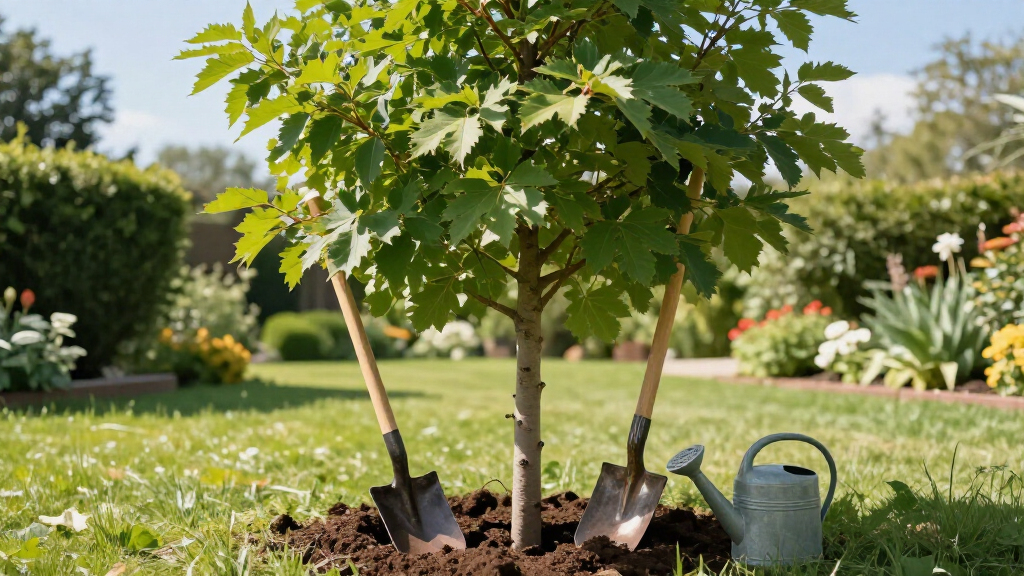
The trees in this roundup were selected based on a combination of growth rate, adaptability to various climates, ease of planting and maintenance, and overall landscape impact. We prioritized species known for their rapid height increase within the first few years, while also considering their long-term health and resilience. Our ranking reflects a balance between quick growth and factors like drought tolerance, size, and usability for different yard sizes. We aimed to include a variety of species to suit different landscaping needs, from small yards to large properties. The final list emphasizes trees that truly deliver fast shade without unreasonable upkeep or invasive tendencies.| fast-growing shade tree | Type | Growth Rate |
|---|---|---|
| Thornless Honey Locust Tree | Live Plant | Fast |
| 3 Silver Maple Tree Live Plant | Silver Maple Tree (Acer saccharinum) | Fast-Growing |
| The Maple Autumn Blaze Tree | — | Fast |
| American Sycamore | 3 Live Tre | — | Fast |
| Red Maple Trees for Planting | Red Maple (Acer rubrum) | Fast growing |
| Northern Red Oak Tree | Live Plant | Fast |
| 3 Pack Red Oak Trees | — | — |
| 3 Sycamore Trees for Planting | — | Fast |
| Fastest Growing Tree in the Wo | Aussie Hybrid Willow | Fastest in the world |
| American Red Maple Shade Tree | Shade Tree | — |
Factors to Consider When Choosing Best Fast-growing Shade Trees
Choosing the best fast-growing shade tree involves more than just looking at growth rates. It’s essential to weigh factors like climate compatibility, soil conditions, mature size, and maintenance requirements. Considering these aspects helps ensure your tree will thrive long-term and meet your landscape goals efficiently. Here are key considerations to keep in mind when selecting a fast-growing shade tree:Climate Compatibility and Hardiness Zones
Understanding your local climate and USDA hardiness zone is vital to selecting a tree that can survive and thrive. Some fast growers, like maples and sycamores, prefer moist, temperate conditions, while others, like hybrid willows, tolerate wetter soils. Choosing a species suited to your climate reduces the risk of disease and poor growth, saving you time and effort in maintenance. Always verify the recommended zones before planting to avoid disappointment.
Soil Type and Drainage
Most fast-growing trees prefer well-drained, fertile soils, but some species tolerate poorer conditions better than others. For example, honey locusts are adaptable to a range of soils, whereas oaks need slightly more specific conditions. Proper soil preparation can significantly impact growth rate and overall health. Avoid planting trees in areas with standing water or poor drainage, as this can stunt growth or cause root rot.
Mature Size and Space Requirements
Fast-growing trees can quickly reach impressive heights, but they also need ample space. Overplanting or planting too close to structures can lead to issues later on, such as root interference or limb overreach. Measure your yard and consider future growth; trees like sycamores and oaks become large, so ensure your landscape can accommodate their mature size without restricting growth or creating safety hazards.
Maintenance and Pruning Needs
While rapid growth is appealing, it often comes with increased pruning and maintenance to keep the tree healthy and safe. Some species, like honey locusts, require minimal pruning, making them easier for busy homeowners. Others, such as maples or sycamores, may need regular shaping or disease prevention. Consider your willingness and ability to maintain the tree over years when making your choice.
Long-Term Considerations and Invasiveness
Fast-growing trees can sometimes pose invasive risks or have shorter lifespans. Hybrid willows, for example, grow rapidly but may not last as long as oaks or maples. Additionally, some species can become invasive in certain regions, spreading aggressively and impacting local ecosystems. Research your local guidelines and choose species that balance growth speed with ecological responsibility and longevity.
Frequently Asked Questions
How quickly can I expect a fast-growing shade tree to provide full shade?
Most fast-growing trees reach a significant canopy within 5 to 10 years, with some like hybrid willows growing several feet per year in optimal conditions. However, full maturity in size and shade capacity may take longer, often 10 to 20 years depending on the species and planting conditions. Proper care during early years accelerates establishment, but patience is still required for complete shading coverage.
Are fast-growing shade trees suitable for small yards?
Fast-growing trees can be planted in small yards, but selecting the right species is key. Smaller varieties like certain maples or dwarf oaks can provide quick shade without overtaking the space. Larger species like sycamores or hybrids should be reserved for larger properties to avoid crowding or future conflicts with structures. Always consider the mature size to prevent future maintenance headaches.
What are the main maintenance challenges with fast-growing shade trees?
Fast-growing trees often require more frequent pruning to control their shape and remove weak or damaged limbs. They may also be more susceptible to pests or diseases due to rapid growth, necessitating regular health checks. Additionally, some species shed more leaves or seed pods, increasing cleanup efforts. Planning for these maintenance needs helps ensure your tree remains healthy and safe.
Can any fast-growing tree tolerate drought once established?
While some species like Autumn Blaze Maple show better drought tolerance, many fast growers initially need consistent watering to establish strong roots. Over time, drought-tolerant species can survive periods of dry weather, but neglecting watering during establishment or in prolonged droughts can stunt growth or cause decline. Selecting drought-resistant varieties suited to your climate reduces ongoing water needs.
Which fast-growing shade trees are best for urban environments?
In urban settings, trees like honey locusts and certain maples are excellent choices because they tolerate compacted soils, pollution, and limited root space. They also tend to have less invasive root systems, reducing damage to sidewalks and underground utilities. Avoid species with aggressive roots or invasive tendencies to maintain safety and compliance with local regulations.
Conclusion
For those seeking an all-around balance of speed, ease of care, and landscape impact, the Thornless Honey Locust emerges as the best overall choice. Gardeners prioritizing vibrant fall color might favor the Autumn Blaze Maple, while large property owners aiming for immediate shade should consider the Sycamores or Red Oaks. Beginners will appreciate the low-maintenance options like honey locusts, whereas landscape professionals might opt for premium varieties with superior drought tolerance or aesthetic appeal. Your ideal pick depends on your specific yard conditions, climate, and long-term goals, but this list offers a solid starting point for quick shade solutions in 2026.