TL;DR
Gardening Know How has published a guide to seven garden plants that can supply greenery, berries and fragrance for Christmas decorations. Its advice covers planting by climate, careful harvesting and safety; the supplied source excerpt describes American holly and winterberry, but does not identify the other five plants.
Gardening Know How has published a guide to growing plants for Christmas decorations, describing how garden shrubs and other plants can provide foliage, berries and fragrance for wreaths, garlands and table displays. The article says the plantings can offer year-round garden benefits as well as seasonal cuttings, though the supplied report excerpt names only American holly and winterberry of its advertised seven plants.

Get garden gear delivered free with Prime
- Fast, free delivery on millions of items
- Prime Video, Amazon Music and more included
- Member-only deals all year
The article presents homegrown greenery as an alternative to store-bought cuttings and reusable plastic decorations. It says established perennial shrubs, trees and herbs can provide garden texture, winter color and wildlife shelter, then be selectively harvested for holiday arrangements. These are the article’s recommendations; it does not provide a measured comparison of costs or environmental impacts.
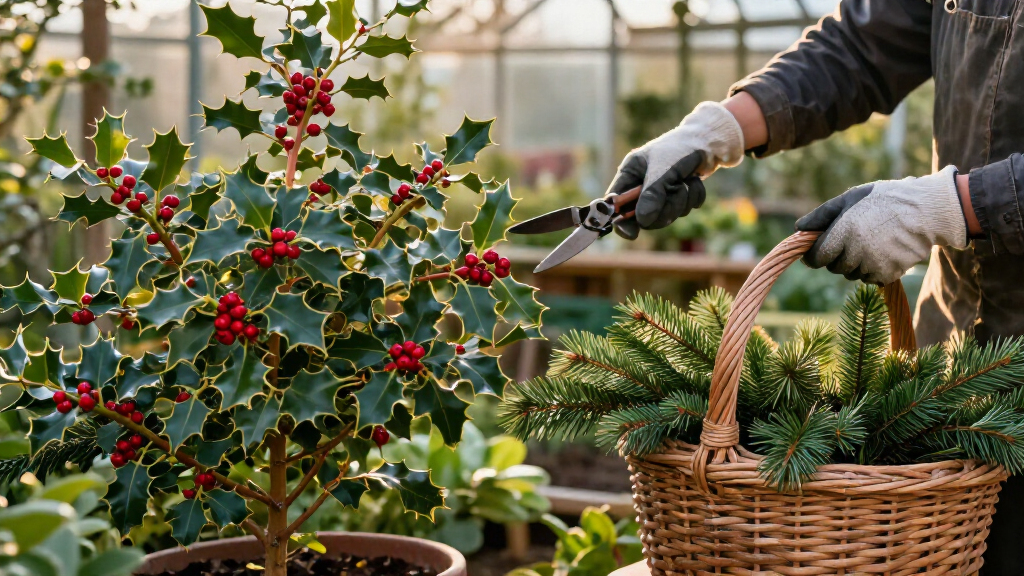
For American holly, the report gives a hardiness range of USDA zones 5–9 and recommends full sun to partial shade in moist, slightly acidic soil. It says the evergreen can reach 15–30 feet, and advises planting a male pollinator near female berry-producing trees. Its suggested harvesting method is to cut small sprigs evenly around the tree rather than stripping branches.
The second plant described is winterberry, a deciduous holly whose red fruit becomes visible after its leaves fall. The report gives a range of zones 3–9, recommends full sun and acidic, organic-rich soil, and says the shrub can suit damp areas. It also says male and female plants are needed for pollination and recommends leaving some berries for birds when cutting stems.
A Garden Can Supply Seasonal Cuttings
The guide’s practical appeal is that gardeners can plan for decorations as part of ordinary planting, rather than buying all greenery shortly before the holidays. If plants become established and produce suitable growth, selective cuttings can supply material for wreaths, porch displays and table arrangements in later years. The article also points to benefits outside the holiday season, including shelter for wildlife and winter interest.
That does not mean every garden can support every plant in the list. The source stresses that hardiness zone, soil and drainage affect what is suitable. Its advice on pollination also matters for berry displays: it says American holly and winterberry require male pollinators for female plants to produce fruit. Readers should check the needs of the particular cultivar and conditions where they live.
There are also safety and care implications. The report warns that holly berries are toxic to people and pets if eaten, so cut branches should be kept out of reach of children and animals. It advises against heavy cutting from young shrubs and says indoor arrangements should be kept away from heat sources that can dry greenery and create a fire hazard.
Popular right now

KitchenAid 5.5-Quart Bowl-Lift Stand Mixer, Porcelain White

Samsung 65-Inch M70H Series 4K Mini LED Smart TV (2026)

Dyson Ball Animal 3 Upright Corded Vacuum
As an affiliate, we earn on qualifying purchases.
Planting and Harvesting Guidance
The report says climate should guide planting choices. In mild and transitional areas, it recommends planting hardy evergreens and deciduous shrubs while soil remains workable. In colder northern regions, it suggests growing tender herbs in sunny indoor containers and moving them outside in spring. For woody plants, it advises checking that the ground has not frozen before planting and holding plants in a cold frame or pot if hard freezes have already set in.
Its general planting suggestions include well-drained soil for many evergreens and woodland shrubs, while Mediterranean herbs are described as needing full sun and sharply drained, gritty soil. The article recommends watering new shrubs deeply and applying a layer of bark mulch around the root area, without piling it against the stem. These are broad guidelines in the source, not a substitute for checking a plant’s specific growing requirements.
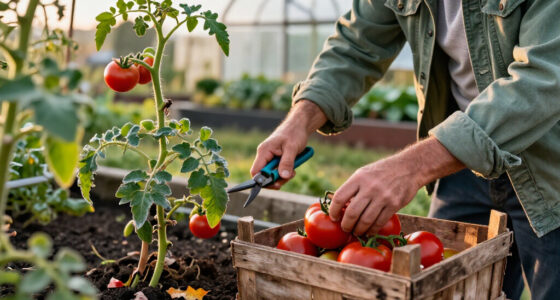
For harvests, Gardening Know How advises waiting until cuttings are needed, using sharp, sanitized bypass pruners, and cutting above an outward-facing bud or side branch. It cautions readers not to harvest heavily from plants in their first two years. To keep cut stems hydrated, it suggests placing them in cool water before arranging them and lightly misting finished displays.
““When harvesting for holiday arrangements, never strip entire limbs or harvest heavily from young shrubs during the first two years of establishment.””
— Gardening Know How
Five Plants Are Missing From the Excerpt
The supplied source material ends partway through its winterberry section. Although the headline advertises seven plants, it does not identify the remaining five or provide the rest of the report’s recommendations. No publication date is included, so the timing is described only as ahead of the holiday season.
The source also does not establish how much money or waste gardeners might save by growing their own decorations, or whether the suggested plants suit a particular reader’s location. Those outcomes depend on local climate, growing conditions, plant maturity and how much greenery is harvested.
Check Local Growing Conditions
Readers interested in following the advice should check local hardiness and planting conditions, then confirm the pollination and care needs of any chosen cultivar. The supplied report gives no later update or follow-up date. Until the full article is available, its remaining three advertised plant choices and associated growing guidance cannot be confirmed from the material provided.
Key Questions
Which plants does the supplied report describe?
It describes American holly and winterberry. The excerpt ends during the winterberry section, so the other five plants in the advertised list are not available in the supplied material.
Do holly shrubs need more than one plant to produce berries?
According to Gardening Know How, male and female plants are needed for both American holly and winterberry to produce berries. The report gives example cultivars, but gardeners should check pollination guidance for the varieties they choose.
Is holly safe around children and pets?
The article warns that holly berries are toxic if ingested by people or pets. Keep cuttings and displays out of reach of children and animals.
How should gardeners cut greenery for decorations?
The report recommends selective, evenly distributed cuts with sharp, sanitized pruners, and cautions against heavy harvesting from young shrubs in their first two years. It also advises leaving some winterberry fruit for birds.
Source: gardeningknowhow.com